
When Electrical Engineering Components Fail Too Early

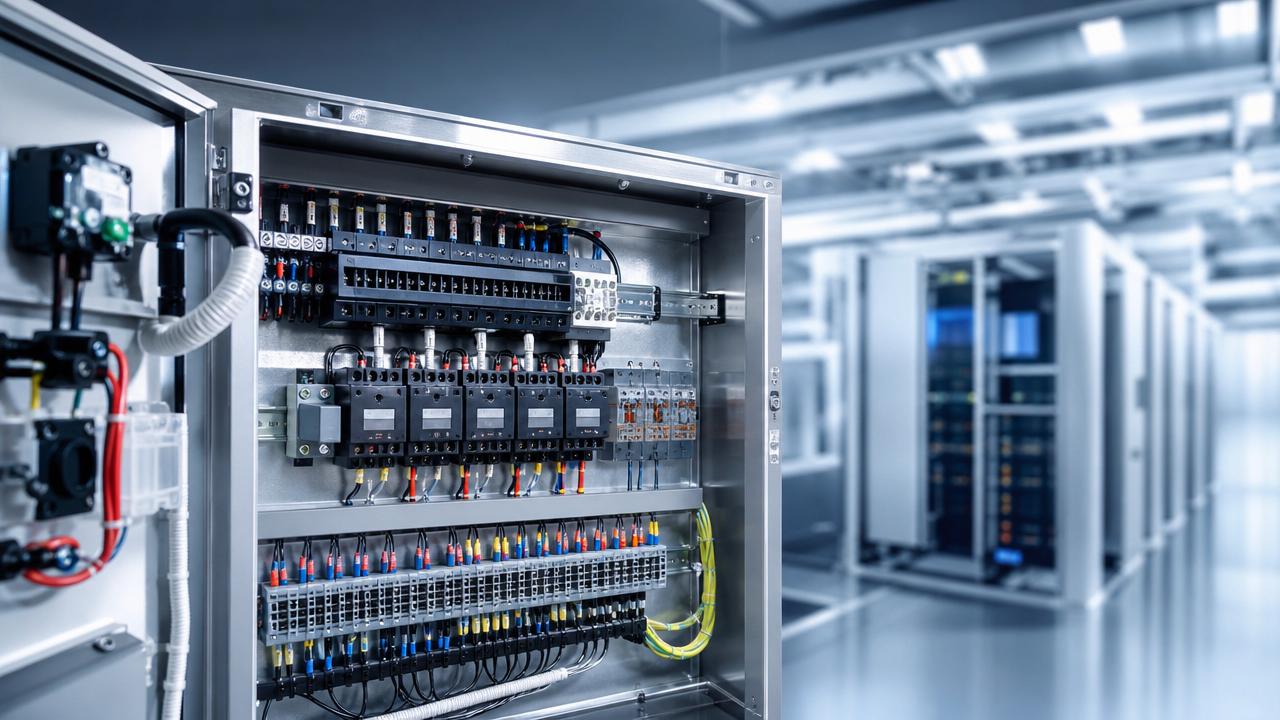
When electrical engineering components fail too early, the consequences reach far beyond replacement costs—triggering safety risks, compliance issues, and production downtime. For quality control and safety management professionals, understanding why these failures occur is essential to preventing repeat incidents. This article explores the hidden causes behind premature failure, from material mismatch to design oversight, and highlights practical ways to improve reliability across industrial applications.
Why a checklist approach works better than isolated troubleshooting
In many facilities, premature failure of electrical engineering components is investigated only after an incident: a connector overheats, a relay sticks, an insulation layer cracks, or a terminal block loosens under vibration. The problem with this reactive method is that the visible failure is often only the last symptom. For quality control teams and safety managers, a checklist-based review is more effective because it forces attention on upstream risks: design assumptions, material compatibility, assembly quality, environmental exposure, and maintenance discipline.
This matters across the broader industrial supply chain represented by platforms such as GHTN, where hardware, electrical systems, and precision tooling interact closely. A failure in electrical engineering components may begin with a poor material choice, a mold tolerance issue, or a fastening problem that looks mechanical at first but becomes an electrical hazard later. That is why a structured review process is not just useful—it is necessary.
First-response checklist: what to confirm before blaming the component
Before classifying a part as defective, confirm the following high-priority items. This initial screen helps separate true component weakness from misuse, integration error, or uncontrolled operating conditions.
- Verify the actual operating load against the rated load, including voltage spikes, inrush current, duty cycle, and thermal buildup during continuous operation.
- Check whether the application environment matches the specified limits for humidity, dust, corrosive gas, vibration, and temperature range.
- Confirm installation quality, especially torque values, crimp consistency, conductor stripping length, contact pressure, and enclosure sealing.
- Review whether the component came from an approved source with traceable batch data, compliance records, and incoming inspection history.
- Inspect upstream and downstream interfaces, because adjacent heat sources, poor grounding, incompatible housings, or unstable power quality can shorten service life.
- Determine whether maintenance intervals and cleaning methods were suitable for the component design and contamination level.
If two or more of these items are out of control, early failure should not be attributed to the component alone. In practice, many electrical engineering components fail within specification only because the system around them was outside specification.
Core inspection points for premature failure of electrical engineering components
1. Material mismatch and hidden durability gaps
Material mismatch is one of the most underestimated reasons for short life. Contact metals may perform well in clean indoor conditions but corrode rapidly in sulfur-rich or salt-laden air. Plastic housings may pass basic tests yet degrade under UV, oil mist, or repeated thermal cycling. For QC personnel, the key check is not whether the material is “industry standard,” but whether it is proven for the exact environment.
Ask for evidence on plating thickness, insulation class, flame resistance, aging data, and chemical compatibility. In sectors using aggressive cleaning agents or high humidity, these details often determine whether electrical engineering components last for years or fail within months.
2. Design assumptions that ignore real operating stress
A component may be compliant on paper and still fail early in the field if the design did not reflect real use conditions. Common design oversights include undersized current paths, insufficient creepage distance, poor heat dissipation, and unrealistic assumptions about switching frequency or vibration level. Safety managers should pay special attention when failures occur only in certain shifts, specific machine zones, or seasonal temperature extremes, because such patterns often reveal design margin problems rather than random defects.
3. Manufacturing variation and tolerance stacking
Electrical engineering components depend on mechanical precision more than many buyers realize. A slight deviation in mold geometry, spring force, terminal position, or fastener fit can alter contact resistance, sealing performance, and long-term stability. This is where the connection between electrical reliability and tooling quality becomes critical. Precision mold quality, dimensional consistency, and process capability directly affect how the finished component behaves in service.
QC teams should review Cp/Cpk data, outgoing inspection standards, and any process change notices involving tooling refurbishment, material substitution, or supplier transfer. Premature failure sometimes begins with a change so small that it escapes visual inspection but shifts long-term reliability.
4. Assembly error and field installation weakness
Many electrical engineering components are damaged not in production, but during installation. Over-torqued terminals crack housings or deform threads. Under-torqued joints create micro-arcing and heat accumulation. Poor crimping increases resistance. Incorrect cable routing adds strain that weakens terminations over time. If failures cluster by installer, shift, or site, assembly variation is a likely driver.
5. Environmental exposure that was never fully mapped
The environment is often more aggressive than the original specification file suggests. A cabinet classified as indoor may still experience condensation. A plant with “normal dust” may actually expose components to conductive metallic particles. An area with moderate heat may create local hotspots near drives, transformers, or enclosed bus sections. Premature failure of electrical engineering components is frequently linked to incomplete environmental mapping during project launch.
A practical judgment table for QC and safety review
Scenario-based checks: what changes by application type
Not all electrical engineering components fail for the same reason. The inspection emphasis should shift with the operating scenario.
- Automated production lines: Prioritize vibration, repetitive switching, cable movement, and contamination from oil mist or fine particulates.
- Power distribution and control panels: Focus on heat concentration, tightening discipline, current derating, and spacing between live parts.
- Outdoor or semi-exposed installations: Review UV stability, moisture ingress, thermal shock, and corrosion resistance of contacts and fasteners.
- High-cleanliness sectors: Check compatibility with cleaning chemicals, washdown cycles, and sealing integrity after repeated maintenance access.
Common blind spots that lead to repeat incidents
Several issues are repeatedly overlooked during root-cause analysis. First, teams may replace failed electrical engineering components with the same part number without confirming whether the original specification was wrong for the application. Second, incoming inspection may focus on dimensions and appearance while ignoring long-term reliability indicators such as plating quality, spring force retention, or sealing performance. Third, compliance marking is sometimes mistaken for proof of lifetime suitability. Certification matters, but it does not guarantee success under every field condition.
Another blind spot is treating mechanical and electrical issues separately. A poor fastener, worn mold, or dimensional shift in a housing can create electrical instability later. GHTN’s cross-disciplinary view is useful here because reliable industrial performance depends on how components, tooling, and manufacturing precision work together.
Execution plan: how to reduce early failure in a controlled way
- Build a failure map by component type, batch, location, operating condition, and time-to-failure pattern.
- Set minimum evidence requirements for suppliers, including material declarations, process capability data, and change-notification rules.
- Upgrade incoming quality checks for critical electrical engineering components, especially for contacts, insulation systems, and precision-fit assemblies.
- Standardize installation controls with torque verification, crimp validation, visual acceptance criteria, and technician training records.
- Use field data to refine derating rules instead of relying only on catalog ratings.
- Review whether enclosure design, airflow, shielding, or mounting position is adding stress to otherwise acceptable parts.
What to prepare before discussing corrective action with suppliers or partners
If your company needs to improve reliability or investigate recurring failures, prepare a focused information package before escalation. Include the failed component model, installation date, duty cycle, environmental profile, failure photos, returned-sample history, batch codes, and any recent process or design changes. Also document whether the problem affects all units or only specific lines, regions, or machine builders.
This level of preparation helps suppliers, sourcing teams, and technical platforms like GHTN identify whether the issue is rooted in material selection, tooling precision, manufacturing variation, compliance interpretation, or field installation practice. It also shortens the path to a practical fix.
Final guidance for quality control and safety teams
Premature failure of electrical engineering components is rarely caused by one factor alone. In most industrial settings, the real answer lies in the interaction between design margin, materials, manufacturing accuracy, assembly quality, and operating environment. For QC and safety professionals, the most effective approach is to treat every incident as a system-level signal, not just a part-level defect.
If you need to move from repeated replacement to durable prevention, prioritize discussion around these points: actual operating parameters, material and compliance fit, tooling and process consistency, installation controls, expected lifetime, maintenance conditions, and supplier change management. Those are the questions that most often determine whether electrical engineering components will remain reliable—or fail too early again.
Related News