
Chain Expo Highlights Green Fasteners for Agriculture
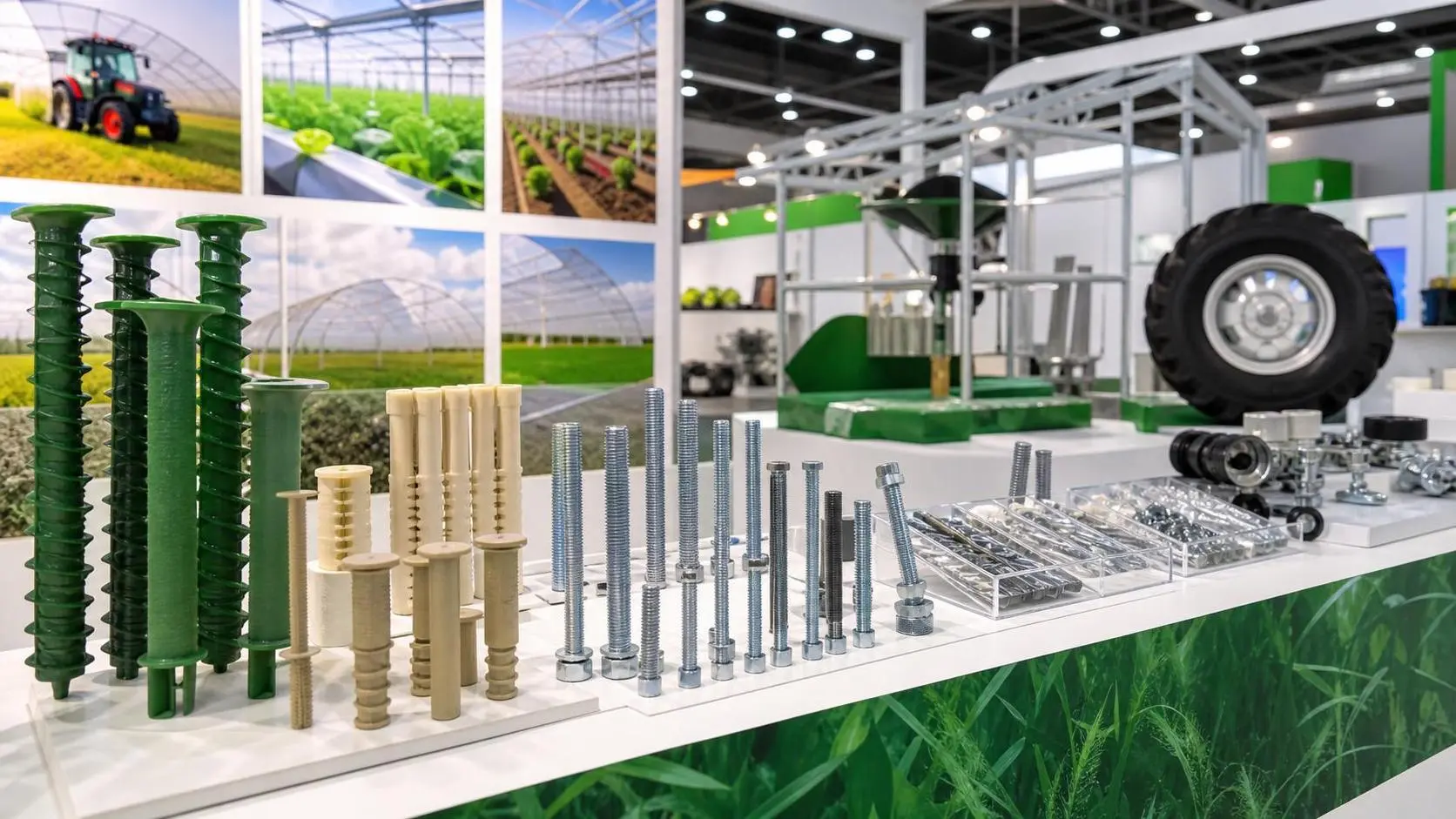
At the opening of the fourth China International Supply Chain Expo in Beijing on June 22, 2026, attention on green agricultural fasteners stood out not only as a product showcase but also as a market signal tied to procurement rules, compliance expectations, and supplier selection criteria. The appearance of biodegradable anchors, biopolymer composite rivets, and low-carbon galvanized bolt systems, together with on-site inquiries from an EU organic farm equipment purchasing group, is relevant to manufacturers, exporters, buyers, testing-related service providers, and supply chain teams that may need to respond to changing expectations around materials, documentation, and delivery readiness.
What Was Confirmed at the Expo
According to the event information provided, the fourth China International Supply Chain Expo opened in Beijing on June 22, 2026. Within the green agriculture supply chain exhibition area, the featured products included straw-based biodegradable anchors, biopolymer composite rivets, and low-carbon galvanized bolt systems. The same information states that these products received on-site inquiries from an EU organic farm equipment purchasing group. The event summary also indicates that this development points to faster-rising demand for environmentally oriented fasteners in segments such as agricultural machinery and greenhouse engineering.
Where Procurement and Compliance Attention May Shift
Supplier screening may become more document-driven
Analysis shows that when environmentally oriented fasteners draw direct interest from a specialized purchasing group, suppliers may face closer review of how product claims are supported. For manufacturers and trading companies, the likely impact is not limited to pricing or availability; it may extend to material descriptions, technical files, product specifications, and any compliance statements used in quotations or tenders. What deserves closer attention is whether buyers begin asking for clearer proof on biodegradability, material composition, coating characteristics, or low-carbon attributes before shortlisting suppliers.
Export-facing transactions may require tighter specification alignment
From an industry perspective, exporters and sourcing intermediaries may be affected if buyer requirements for agricultural equipment and greenhouse applications become more specific at the ordering stage. The practical pressure point is likely to be specification alignment: product naming, application scope, performance descriptions, and supporting documents may need to match procurement language more precisely. For businesses involved in cross-border delivery, this raises the importance of checking how technical documentation, product labeling, and contractual descriptions are presented before shipment.
Testing and certification support may become more relevant in niche applications
Observably, the products highlighted at the expo sit in application areas where buyers may treat environmental attributes as part of product acceptance rather than as optional marketing language. For testing-related service providers, certification support businesses, and quality teams, this may create more demand for product verification work connected to materials, coatings, traceability, and intended use. This should be understood as a possible compliance trend rather than a confirmed new rule, but it is still material for companies supplying parts into agriculture-related projects.
Delivery planning may need to account for narrower approved supplier pools
Analysis shows that if demand rises in agricultural machinery and greenhouse engineering for these fastener categories, supply chain service providers and procurement departments may need to watch delivery risk as well as compliance risk. In practice, orders tied to environmental positioning can reduce flexibility if buyers accept only certain materials, manufacturing routes, or supporting documents. That can affect sourcing lead times, substitution options, and after-sales traceability when projects move from inquiry to execution.
What Companies Should Watch Next
Check whether buyer requirements become formalized
Companies should monitor whether interest seen at the expo translates into clearer purchasing terms, tender language, or qualification requirements. At this stage, the provided information confirms market attention, but it does not confirm a finalized regulatory or certification framework for these specific products. It is therefore more appropriate to treat current developments as an early execution signal that may later appear in procurement documents.
Prepare technical and compliance files before demand converts into orders
For suppliers of anchors, rivets, and bolt systems, the immediate practical step is to review whether technical data sheets, material descriptions, test records, and traceability documents are complete and consistent. If environmental claims are used in sales or export discussions, businesses should be cautious about how those claims are described and ensure that internal documentation can support them if questioned by buyers or downstream partners.
Review contract and delivery terms for application-specific risk
For traders, exporters, and project suppliers, attention should also go to how product scope is defined in quotations, purchase orders, and delivery documents. In sectors such as agricultural machinery and greenhouse engineering, a mismatch between claimed environmental characteristics and delivered specifications could create acceptance or after-sales disputes. The key issue is not that such disputes are already occurring, but that the featured product direction increases the need for precision in commercial and technical wording.
Follow market feedback from niche agricultural uses
What deserves closer attention is whether demand growth remains limited to exploratory inquiries or expands into repeat procurement behavior. Companies should therefore watch feedback from buyers, distributors, and project contractors in the relevant segments, especially where environmental positioning may influence approved supplier status, replacement cycles, or bid evaluation criteria.
Why This Looks More Like a Market Signal Than a Settled Rule
Observably, this event does not by itself establish a new law, standard, or mandatory certification requirement in the information provided. However, it does suggest that environmental attributes in fasteners are moving closer to the commercial decision-making process in some agricultural use cases. Analysis shows that the most important takeaway is not the exhibition display alone, but the possibility that procurement expectations, specification language, and proof-of-compliance requests could tighten if buyer interest continues. For now, this is better understood as a meaningful market and execution signal with possible downstream compliance implications, rather than as a fully defined rule change.
How the Sector May Read This Development
In practical terms, the event is significant because it links product innovation in fasteners with visible buyer attention in agriculture-related applications. A neutral reading is that the sector may be entering a stage where environmental positioning matters more in supplier conversations, but the detailed execution path still needs to be observed through procurement practice, documentation requirements, and market feedback. Current industry participants would be well advised to treat this as a development worth preparing for, while avoiding assumptions that all compliance expectations or trade requirements have already been finalized.
Basis of This Article
This article is generated from the user-provided news title, event date, and event summary. The confirmed facts used here are limited to the opening of the fourth China International Supply Chain Expo in Beijing on June 22, 2026, the products highlighted in the green agriculture supply chain exhibition area, the on-site inquiry from an EU organic farm equipment purchasing group, and the indicated demand direction for agricultural machinery and greenhouse engineering. For this type of event, source categories that are usually relevant include official event releases, regulatory announcements, trade or customs information, industry association updates, standards documents, and reporting by authoritative media. No specific official source link was provided in the input, so any later interpretation should continue to be verified against formal publications, procurement documents, certification practices, industry feedback, and actual execution by companies.