
Hannover Messe 2026 Adds Smart Fastening Zone

On July 21, 2026, Hannover Messe 2026 drew industry attention with two signals from the fastening segment: the fair introduced a new Smart Fastening Systems zone for the first time, and the number of Chinese exhibitors in this field rose to 137, up 40% year on year. For fastener manufacturers, industrial buyers, channel operators, and supply chain service providers, the development is worth watching because it places high-strength fastening products and fastening-related monitoring and calibration technologies into a more visible exhibition context rather than treating them as a secondary category.
A new themed area and a sharper product focus
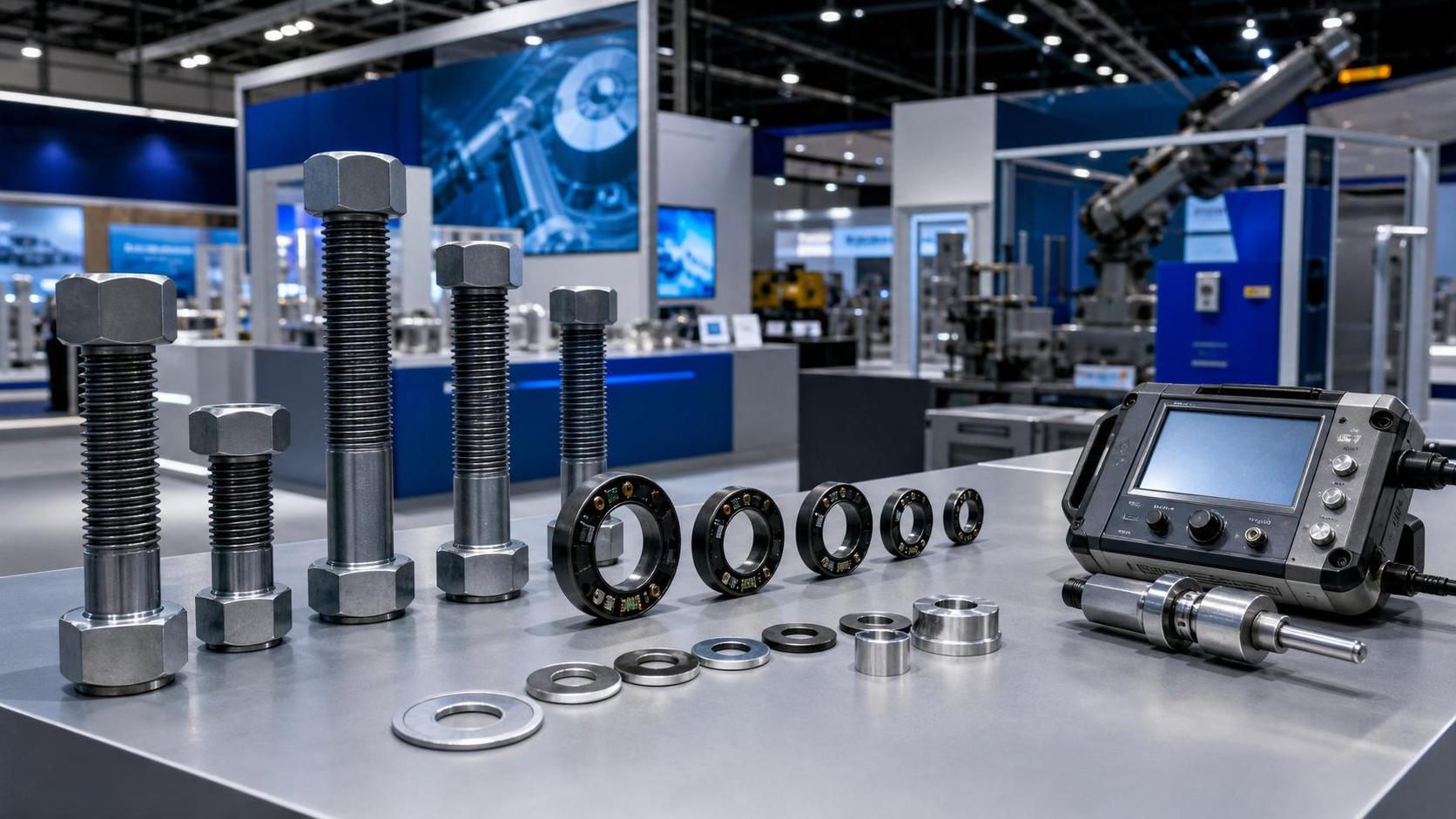
According to the provided event information, Hannover Messe 2026 is scheduled for July 21 to 25, 2026. The exhibition will, for the first time, set up a themed area called Smart Fastening Systems. The zone will focus on high-strength bolts, intelligent preload monitoring washers, and AI torque calibration technology.
The same information shows that 137 Chinese exhibitors have registered, representing a 40% increase from the previous year. These exhibitors mainly come from fastener industry clusters in Zhejiang and Jiangsu. The products on display cover ISO 898-1 Class 12.9 and above.
Where the impact may be felt across the chain
For manufacturing suppliers, product positioning may become more specific
From an industry perspective, manufacturers of high-strength fastening products may be affected first because the new themed zone gives clearer visibility to product categories tied to performance, preload control, and torque accuracy. The likely impact is not simply exhibition exposure; it is the possibility that discussions with buyers will center more directly on grade level, application fit, and the relationship between hardware and fastening control technologies.
What deserves closer attention is whether product communication now needs to move beyond standard mechanical properties and include a clearer explanation of how products fit into monitored or calibrated fastening processes.
For buyers and sourcing teams, evaluation criteria may widen
Analysis shows that procurement teams may need to look at fastening systems more broadly than a single bolt or washer specification. Because the featured technologies include intelligent preload monitoring washers and AI torque calibration, the business impact may appear in supplier screening, sample evaluation, and technical communication. Buyers may need to pay closer attention to how product grade, monitoring capability, and calibration-related compatibility are presented together during supplier discussions.
This does not yet prove a change in purchasing standards, but it does suggest that sourcing conversations could become more system-oriented in this exhibition setting.
For distributors and supply chain service providers, communication demands may increase
Observably, distributors, traders, and supply chain service providers may also feel the effect because a more specialized exhibition category usually creates more detailed inquiries from customers. The practical impact may fall on quotation preparation, product documentation, delivery coordination, and communication around technical claims. Where exhibitors are concentrated in Zhejiang and Jiangsu, counterparties may also pay closer attention to supply continuity and execution capability from those industrial clusters.
What companies should watch now
Follow how the themed category is described going forward
Companies should watch whether the official framing of Smart Fastening Systems remains centered on high-strength bolts, preload monitoring washers, and AI torque calibration, or whether later communications refine the scope further. This matters because category wording can shape how exhibitors position products and how buyers define relevant suppliers.
Prepare product materials around grade and application language
Given that the disclosed exhibit range includes ISO 898-1 Class 12.9 and above, manufacturers and traders should pay close attention to how grade-related information is communicated in product sheets, quotations, and customer conversations. The immediate issue is not broad brand messaging but whether technical descriptions are precise enough for exhibition-stage screening and follow-up inquiries.
Distinguish exhibition attention from confirmed business conversion
Analysis shows that a new themed area and a higher number of exhibitors are clear signals of market attention, but they are not the same as confirmed order growth. Companies should separate visibility gains from actual transaction outcomes and avoid treating exhibition participation alone as proof of demand stability or long-term purchasing change.
Check delivery and documentation readiness before customer discussions deepen
For firms expecting more overseas inquiries, practical preparation should focus on supplier credentials, technical documentation, and communication readiness tied to the displayed product range. For service providers and trading companies, the operational issue is whether they can respond quickly and consistently when customers ask for details linked to grade, fastening performance, or calibration-related use scenarios.
Why this looks more like a market signal than a settled outcome
As an editorial observation, this development is better understood as an early but notable signal inside the industrial fastening segment. The creation of a dedicated Smart Fastening Systems zone indicates that fastening is being presented in a more integrated way, linking components with monitoring and calibration technologies. The 40% rise in Chinese exhibitor numbers adds weight to that signal, especially because the participating companies are concentrated in established industrial clusters and are bringing products at ISO 898-1 Class 12.9 and above.
At the same time, the available information is still limited to exhibition arrangements and exhibitor participation. It does not by itself confirm lasting shifts in buyer demand, pricing, procurement standards, or cross-border order conversion. That is why the event should be read as a development that merits continued observation rather than as a completed market outcome.
How to read this development for now
At this stage, the most balanced reading is that Hannover Messe 2026 is giving the fastening segment a more defined technology and product identity, while Chinese participation is expanding noticeably within that context. For the industry, the significance lies less in headline growth alone and more in what kinds of products and technical topics are being pulled into focus. It is more appropriate to understand this as a medium-term signal that could influence supplier positioning, buyer evaluation, and technical communication, while the actual commercial impact still needs to be tracked after the event.
Basis of this article and what still needs verification
This article is based on the user-provided news title, event date, and event summary. For developments of this type, commonly relevant source categories may include official exhibition announcements, company disclosures, industry association updates, authoritative media reporting, and standard-related documentation. No specific official source link was provided in the input, so the underlying details still require ongoing verification against primary materials. The next points to monitor are whether the official wording of the themed zone changes, how participating companies present their products within that category, and whether the exhibition focus later translates into clearer procurement or market-side signals.
Related News
- Greening components or lower cost materials: which wins long termTime : Apr 29, 2026
- Fastener Grade Comparison: How to Match Strength Classes to Load and Safety NeedsTime : Aug 20, 2026
- China-UAE Open Direct Sea Route, Cutting Export Lead Times for Industrial Fasteners and Pneumatic Parts by 7-10 DaysTime : Aug 16, 2026