
Shanghai Fastener Expo Sees 29% Day-One Visitor Rise
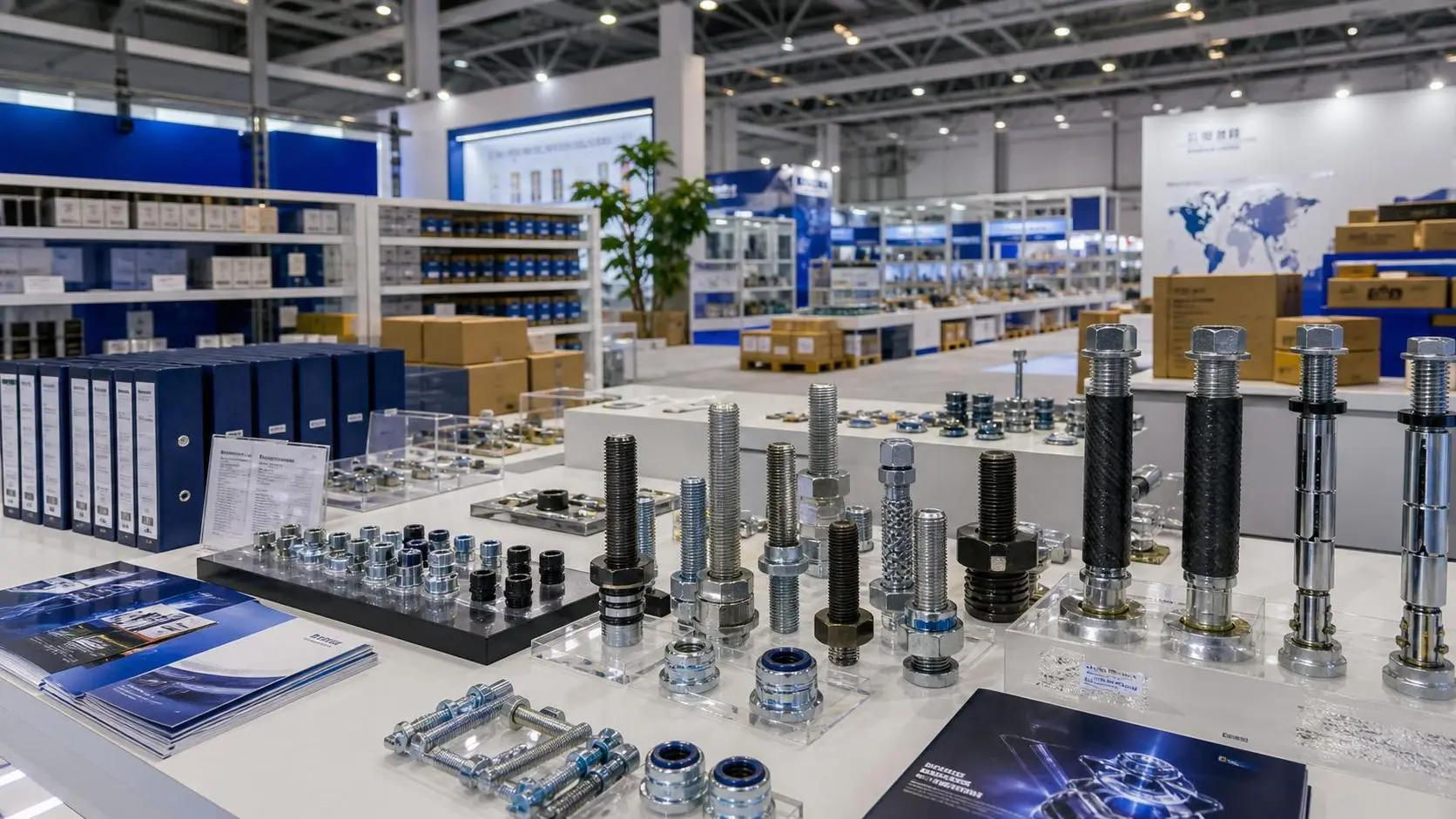
On May 20, 2026, the opening day of the 2026 Shanghai International Fastener Industry Expo pointed to a practical shift in market access and procurement expectations rather than only stronger attendance. With the share of visitors from Hong Kong, Macao, Taiwan and overseas buyers rising to 13%, the event is worth watching as a signal that cross-border sourcing, technical review, delivery coordination, and compliance documentation are becoming more central in fastener and related system transactions, especially for manufacturers, exporters, buyers, and supply chain service providers.
What the opening-day data confirms
The 2026 Shanghai International Fastener Industry Expo opened on May 20, 2026. According to the event information provided, first-day attendance reached 17,639, up 29% year on year. Visitors from Hong Kong, Macao, Taiwan and overseas totaled 1,368, accounting for 13% of the first-day audience, compared with 10.2% a year earlier. Buyer groups covered 32 countries, including Germany, the United States, Vietnam, and Mexico. The expo centered on the theme of integrating intelligent manufacturing, enabling new momentum, and linking global supply chains. The event summary also states that multiple smart anti-loosening bolts and carbon-fiber anchoring systems received on-site purchase intentions.
Why the buyer mix matters for transaction rules
Export-facing manufacturers face a stricter documentation threshold
From an industry perspective, a higher overseas buyer share usually means that product discussions move more quickly from sample display to documentation review. For processing manufacturers and export-oriented suppliers, the main impact is likely to appear in technical specifications, product traceability records, inspection materials, and delivery commitment management. What deserves closer attention is not only whether products attract interest, but whether supporting files can satisfy different buyer-side compliance and procurement requirements.
Procurement teams may put more weight on verifiable technical alignment
For buyers and sourcing teams, the rise in international participation suggests a more rule-based comparison process across suppliers. Analysis shows that products such as smart anti-loosening bolts and carbon-fiber anchoring systems may draw attention not just for performance claims, but for how clearly suppliers can present technical documents, testing materials, and consistent product descriptions during quotation and supplier review stages. This can affect supplier shortlisting, tender preparation, and order follow-up.
Trading and channel businesses need tighter delivery coordination
For trading companies, distributors, and cross-border supply chain service providers, the impact is likely to be concentrated in order confirmation, document consistency, delivery scheduling, and post-order communication. Observably, when more overseas procurement groups appear on site, expectations around shipment reliability, specification consistency, and after-sales response tend to become more explicit in commercial negotiations. That makes internal coordination across sales, production, and logistics more important.
What companies should monitor next
Check whether compliance materials are ready for buyer review
Analysis shows that companies engaging with international buyers should pay closer attention to whether existing product files are complete, current, and consistent across quotations, brochures, technical sheets, test records, and delivery documents. The event information does not provide detailed execution requirements, so this should be understood as a practical area to monitor rather than a confirmed new rule.
Watch for changes in procurement language and bid requirements
It is more appropriate to understand the first-day order interest as an early business signal, not as proof of finalized procurement conversion. Companies should therefore monitor whether follow-up communications, inquiry documents, or tender materials place greater emphasis on technical specification alignment, inspection evidence, qualification review, or traceability language, especially for products presented as intelligent or system-based solutions.
Prepare for closer review of delivery and supplier capability
For suppliers moving from exhibition contact to formal negotiation, delivery timing, production coordination, and supplier qualification may become more important in subsequent discussions. Observably, when overseas buyer participation rises, supplier evaluation can extend beyond product samples into execution capability, including how reliably the supplier can support repeated orders, document requests, and quality follow-up.
Track market feedback around featured product categories
The on-site purchase intentions for smart anti-loosening bolts and carbon-fiber anchoring systems deserve attention because they may indicate where technical review and procurement focus are concentrating. Analysis shows that companies in related product lines should pay attention to whether buyers begin asking for more detailed technical explanations, supporting records, or clearer scope-of-use descriptions during post-exhibition follow-up.
How this should be read at this stage
Observably, this development is better read as an execution signal from the market than as evidence of a newly issued formal rule. The more meaningful point is that international buyer participation is becoming more visible in the transaction environment surrounding the fastener sector, which can raise the practical importance of documentation readiness, product consistency, and cross-border delivery coordination. At the same time, it remains necessary to watch whether this attention leads to firmer procurement standards, more explicit certification expectations, or changes in tender language during the next stage of deal execution.
A useful signal, but not a final conclusion
In summary, the first day of the 2026 Shanghai International Fastener Industry Expo suggests a more international and more document-sensitive business environment for fastener-related transactions. The confirmed facts show stronger attendance, a higher share of overseas and regional buyers, and immediate interest in selected product categories. Analysis shows that the event is currently more appropriate to understand as a market signal that compliance readiness, procurement alignment, and delivery discipline may carry greater weight, while the concrete execution standards still require continued observation.
Basis of this article and what still needs verification
This article is generated based on the user-provided news title, event date, and event summary. For events of this type, commonly relevant source categories may include official event announcements, regulator releases, customs or trade authority information, industry association updates, standards organization documents, and reporting by established trade media. A specific official source link was not provided in the input, so further verification is still necessary. What still needs monitoring includes any later official wording, certification or compliance interpretations, changes in tender or procurement documents, market feedback from buyers and suppliers, and how companies actually implement follow-up transactions after the exhibition.