
Stainless Fastener Prices Jump 8.3% in July

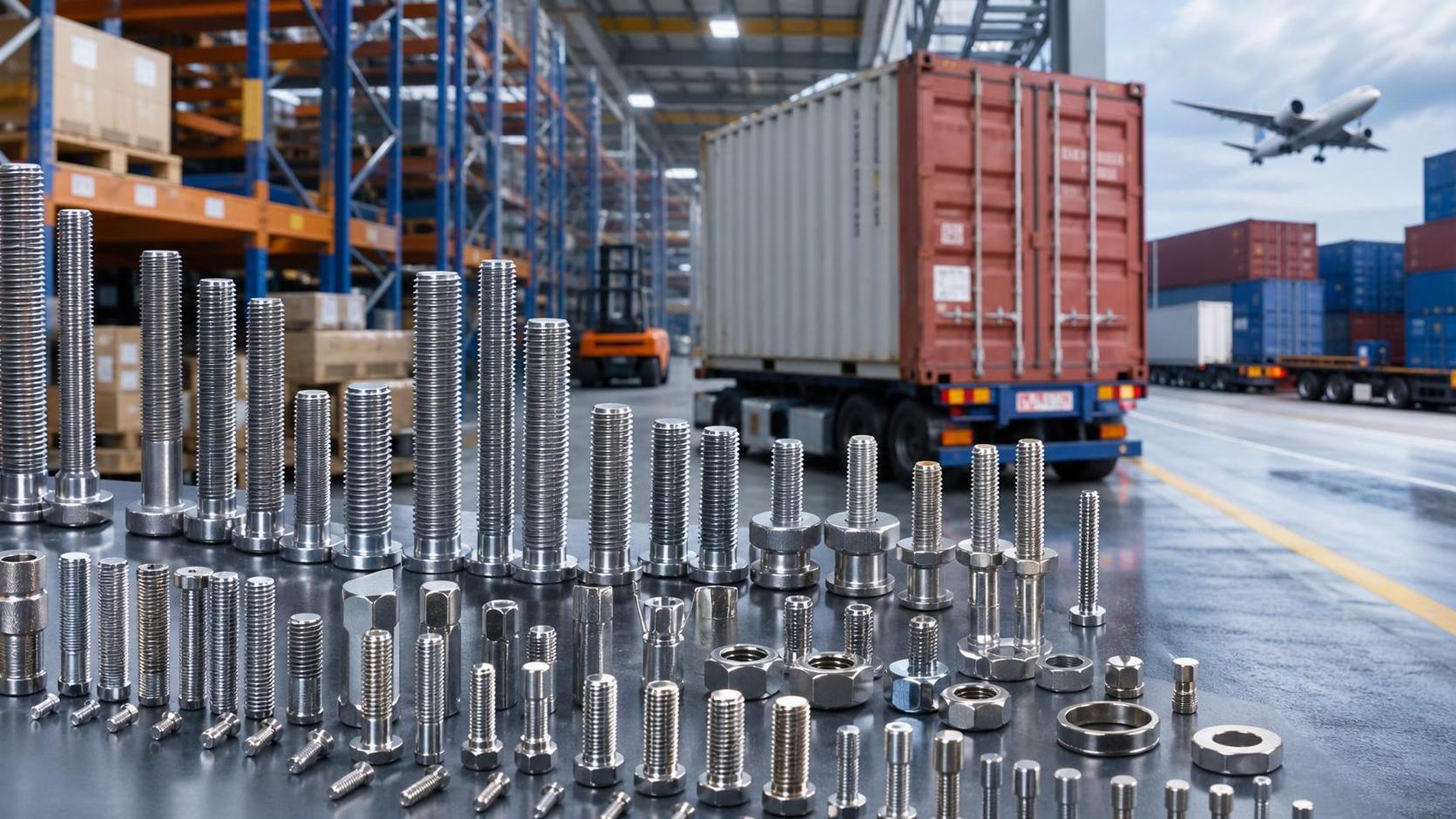
On July 8, 2026, the latest update tied to the GHTN Global Fasteners Index pointed to a clear change in market execution conditions for stainless steel fasteners rather than a routine price move alone. The reported rise in A2/A4 stainless steel bolts and screws pricing, together with longer delivery cycles for ASTM A193 B8M Grade 2 and a rebound in freight indicators, matters for exporters, buyers, procurement teams, and supply chain operators because it directly affects quotation validity, sourcing choices, delivery planning, and the handling of grade-specific requirements across EU, US, and GCC transactions.
What the latest index update confirms
According to the provided information, the GHTN Global Fasteners Index recorded an 8.3% month-on-month increase for A2/A4 stainless steel bolts and screws in the M6-M24 range. The move was associated with a 12.7% increase in nickel surcharges and a rebound in the container freight index to 142. Exporters also reported extended lead times of 14 to 18 weeks for ASTM A193 B8M Grade 2. The same update indicated that buyers in the EU, US, and GCC should lock Q3 pricing and consider alternative grades or regional sourcing buffers.
Why this matters across contracts, sourcing, and delivery
Pricing discipline is becoming more important for cross-border buyers
From an industry perspective, buyers exposed to stainless fastener procurement may be affected first through quotation management and contract timing. When index-linked price movement, surcharge pressure, and freight recovery appear at the same time, the practical issue is whether existing offers, framework purchasing terms, and Q3 buying plans remain workable. What deserves closer attention is the need to review how pricing validity, surcharge pass-through, and grade-specific procurement terms are handled in ongoing trade discussions.
Export-side delivery risk is moving closer to the front of negotiations
For exporters and trading companies, the reported 14-18 week lead time for ASTM A193 B8M Grade 2 suggests that delivery commitments may require tighter control. The main impact is likely to fall on order confirmation, production slot allocation, and shipment scheduling. Observably, this also raises the importance of keeping technical descriptions, grade references, and delivery commitments aligned in commercial documents so that later disputes over substitutions or delays are easier to manage.
Manufacturers and processors may need tighter grade-by-grade planning
For manufacturers and downstream processors using A2/A4 stainless fasteners or ASTM A193 B8M Grade 2, the effect is not limited to raw material cost. Analysis shows that specification matching, purchasing sequence, and inventory buffering may become more sensitive where a project depends on a defined stainless grade and delivery window. In practical terms, procurement and production teams should pay attention to whether technical files, bid specifications, and internal material approvals leave room for alternative grades where commercially and technically acceptable.
Logistics and supply chain service providers face a more timing-sensitive environment
For supply chain service providers, the rebound in the container freight index matters because it changes the assumptions behind landed cost and shipment timing. The immediate business impact is likely to appear in booking decisions, routing flexibility, and buffer-stock planning. From a trade execution angle, firms involved in forwarding, consolidation, and delivery coordination should monitor whether customers begin shifting toward regional sourcing buffers to reduce exposure to longer replenishment cycles.
Practical points companies should review now
Check whether current documentation supports grade alternatives
Analysis shows that one immediate issue is document readiness. Where buyers are considering alternative grades, companies should review whether technical documentation, bid files, and purchase specifications actually permit substitution, or whether the stated grade must be maintained without deviation. The provided information does not define approval procedures, so this remains a point for careful case-by-case review rather than an established rule change.
Reassess Q3 quotation and purchase timing
The update explicitly points buyers in the EU, US, and GCC toward locking Q3 pricing. What deserves closer attention is how quickly firms convert that signal into internal approval and purchasing action. Companies with exposed stainless fastener demand may need to compare immediate price locking against the operational risk of waiting in a market facing surcharge pressure and longer lead times.
Review lead-time commitments for ASTM A193 B8M Grade 2
Where contracts or project schedules depend on ASTM A193 B8M Grade 2, exporters and buyers should examine whether delivery promises, milestone dates, and stock assumptions still match the reported 14-18 week lead-time range. Observably, this is less about a formal compliance amendment and more about avoiding execution gaps between technical commitments and actual supply availability.
Build regional sourcing buffers carefully
The provided information suggests considering regional sourcing buffers. From an industry perspective, this should be understood as a practical supply chain response rather than proof of a settled market shift. Companies should therefore watch how buffer strategies affect supplier qualification, traceability records, and consistency of product documentation when sourcing is spread across more than one region.
How to read this signal at this stage
Analysis shows that this development is better understood as an execution signal affecting trade terms, sourcing behavior, and delivery management than as a stand-alone commodity headline. The information provided does not describe a new law, formal regulatory notice, or revised standard text. Even so, the combination of higher stainless fastener prices, surcharge pressure, freight recovery, and longer lead times can alter how market participants apply existing purchasing rules, specification controls, and delivery commitments in live transactions.
Observably, the most important near-term question is not whether the market has moved, because the reported index and lead-time data already indicate that it has, but how quickly buyers and sellers translate that movement into contract language, sourcing decisions, and grade selection practices. That is why continued attention to tender wording, technical approvals, and supplier execution feedback remains necessary.
What this development most reasonably suggests
At this point, it is more appropriate to understand the July 8 update as a concrete market execution warning for stainless fastener procurement, especially where A2/A4 products and ASTM A193 B8M Grade 2 are involved. The confirmed facts point to price pressure and longer lead times; the broader commercial effect will depend on how buyers, exporters, and supply chain teams respond in Q3 planning, documentation review, and sourcing arrangements. The event therefore deserves attention as an active operating condition rather than a completed policy outcome.
Basis of this article and what still needs verification
This article was generated from the user-provided news title, event date, and summary. For developments of this kind, relevant source categories often include official notices, regulator releases, customs or trade authority information, industry association updates, standard-setting documents, and reporting by authoritative trade media. No specific official source link was provided in the input, so the underlying official references still need to be verified on an ongoing basis. What also requires further observation includes any later clarification in procurement language, certification or specification handling, tender document changes, market feedback from buyers and exporters, and how companies implement pricing locks, grade alternatives, or regional sourcing buffers in practice.
Related News
- Greening components or lower cost materials: which wins long termTime : Apr 29, 2026
- Fastener Grade Comparison: How to Match Strength Classes to Load and Safety NeedsTime : Aug 20, 2026
- China-UAE Open Direct Sea Route, Cutting Export Lead Times for Industrial Fasteners and Pneumatic Parts by 7-10 DaysTime : Aug 16, 2026