
Mechanical engineering tools that reduce setup mistakes

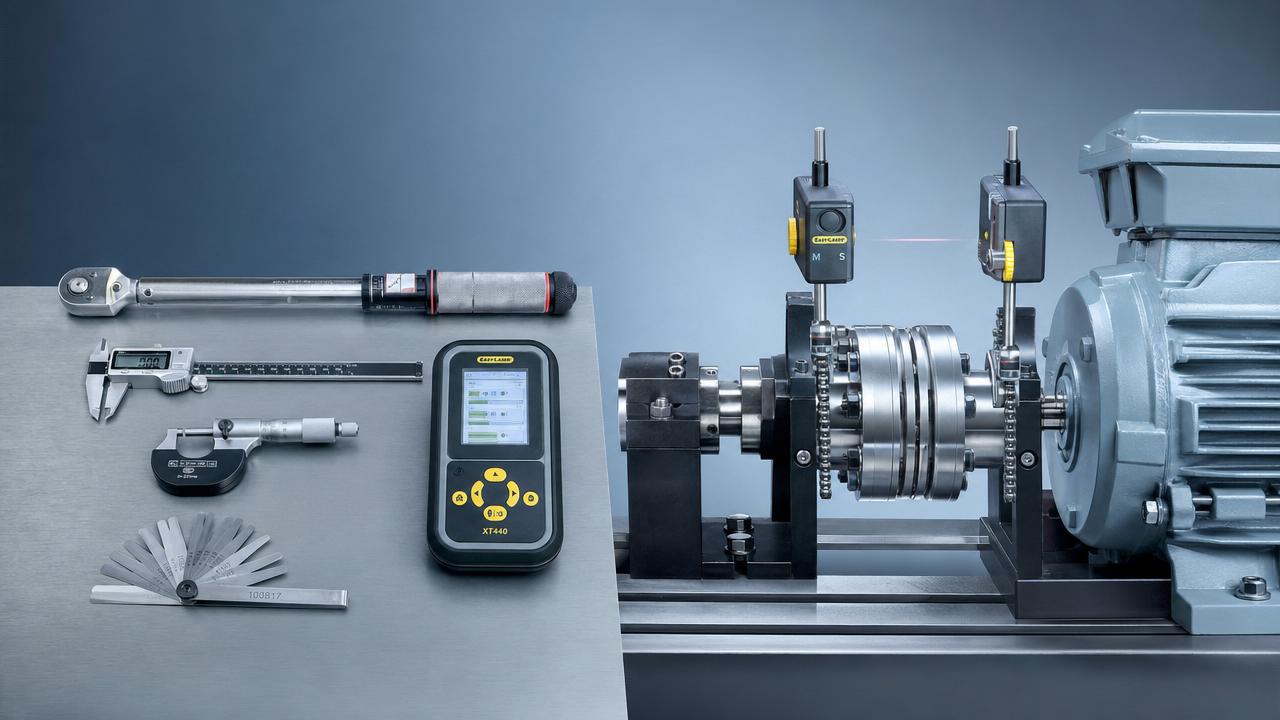
For after-sales maintenance teams, even small setup errors can trigger downtime, repeat visits, and hidden operating costs.
The right mechanical engineering tools reduce guesswork, improve adjustment accuracy, and support safer, faster service in mixed industrial environments.
This guide explains which mechanical engineering tools matter most, why setup mistakes happen, and how to build a more reliable maintenance workflow.
Why do setup mistakes happen so often in maintenance work?
Setup errors rarely come from one big failure. They usually start with small measurement gaps, poor alignment, or inconsistent tightening during repair and recommissioning.
In many facilities, maintenance covers mechanical assemblies, electrical interfaces, pneumatic sections, and mold-related components within the same service cycle.
That complexity increases the value of mechanical engineering tools designed for repeatable positioning, controlled force, and accurate verification.
Common causes include worn hand tools, unclear reference points, skipped calibration checks, and using visual judgment instead of measured data.
Another issue is variation between technicians. Without standardized mechanical engineering tools and documented steps, one adjustment may differ from the next.
A setup that looks acceptable at low speed can fail under thermal load, vibration, or continuous production pressure.
Reducing mistakes begins with understanding that precision is not only for manufacturing lines. It is equally important in field maintenance and post-installation support.
Which mechanical engineering tools are most effective for preventing setup errors?
The best mechanical engineering tools are those that replace assumption with measurable confirmation.
Below are the most useful categories for reducing setup mistakes across general industry applications.
1. Torque control tools
Torque wrenches and torque screwdrivers help prevent over-tightening, under-tightening, and uneven clamping on housings, brackets, couplings, and covers.
Controlled torque is critical where fasteners affect sealing, bearing preload, or component alignment.
2. Precision measuring tools
Calipers, micrometers, depth gauges, and feeler gauges verify dimensions, gap settings, and wear conditions before parts are reassembled.
These mechanical engineering tools are especially useful when replacement parts come from different suppliers or batches.
3. Alignment tools
Straight edges, dial indicators, laser alignment kits, and shaft alignment systems reduce coupling stress and premature failure after motor or pump service.
Alignment errors often remain hidden until vibration and heat increase during operation.
4. Positioning and marking tools
Center punches, layout tools, angle finders, machinist squares, and reference markers help restore components to known positions.
They are simple, but they reduce rework during repetitive setup tasks.
5. Condition verification tools
Thread gauges, surface roughness comparators, hardness testers, and portable vibration tools support better pass-or-fail decisions before restart.
Used together, these mechanical engineering tools create a stronger quality checkpoint during maintenance.
How should mechanical engineering tools be selected for different service scenarios?
Tool selection should match failure mode, equipment criticality, working environment, and the tolerance sensitivity of each assembly.
For general-purpose service, versatile hand tools with verified calibration offer the best balance between cost and reliability.
For high-speed rotating equipment, alignment and vibration-related mechanical engineering tools deserve higher priority.
For mold servicing, dimensional accuracy, flatness checking, and repeatable clamping become more important than broad multi-use coverage.
In harsh environments, consider corrosion resistance, sealed displays, glove-friendly controls, and tool durability under oil, dust, and temperature changes.
When comparing options, use these questions:
- What setup error occurs most often?
- Which measurement or adjustment currently depends on personal judgment?
- What tolerance range must be confirmed before restart?
- Does the tool require calibration, training, or documented traceability?
- Can results be repeated by different technicians on different shifts?
The most effective mechanical engineering tools are not always the most advanced. They are the ones consistently used within a clear maintenance standard.
What mistakes occur when using the wrong tools or poor setup methods?
Using the wrong mechanical engineering tools can introduce errors that appear minor during assembly but become costly after the machine returns to operation.
One common mistake is replacing torque control with impact tools or feel-based tightening. This can distort flanges, damage threads, or compromise seals.
Another problem is relying on rough visual alignment for rotating systems. Misalignment increases bearing loads, energy use, and vibration-related wear.
Skipping dimensional verification after parts replacement is also risky. Even small machining differences can affect fit, backlash, or pressure balance.
Poor setup methods also include using uncalibrated instruments, damaged gauge faces, and mixed-unit readings that create avoidable confusion.
A deeper risk is false confidence. Inaccurate tools can produce neat records while hiding unacceptable mechanical conditions.
To reduce these issues, combine proper mechanical engineering tools with lockout routines, inspection criteria, and final verification steps before handover.
How can teams standardize setup work to improve repeatability?
Standardization turns good tools into reliable outcomes. Without process discipline, even quality mechanical engineering tools will deliver inconsistent results.
Start by defining critical settings for each asset type, including torque values, gap limits, alignment targets, and acceptable wear thresholds.
Then connect each setting to a specific tool and verification method.
A practical standardization framework includes:
- Tool lists by equipment category
- Calibration intervals and traceability logs
- Setup checklists with pass-fail criteria
- Reference photos or diagrams for alignment points
- Post-service test conditions and sign-off records
This approach supports continuity across mixed equipment fleets, from fastener-heavy assemblies to precision mold interfaces and compact drive systems.
It also aligns with the broader industrial logic promoted by GHTN: precision at the component level strengthens system-level reliability.
What costs and implementation factors should be considered?
The cost of mechanical engineering tools should be measured against downtime reduction, lower repeat repairs, better asset life, and fewer installation disputes.
Low-cost tools may seem attractive, but poor repeatability often increases total service cost over time.
Implementation usually involves three layers: purchase, calibration, and adoption.
Purchase decisions should consider accuracy range, durability, spare parts availability, and compatibility with existing maintenance routines.
Calibration planning is essential for torque, dimensional, and alignment-related mechanical engineering tools. Without it, data quality declines silently.
Adoption depends on usability. If the tool is too complex for urgent field conditions, it may remain unused despite technical value.
A phased rollout often works best. Begin with high-failure assets, identify recurring setup errors, and introduce tools that directly address those issues.
FAQ table: which mechanical engineering tools solve which setup problems?
What is the best next step for reducing setup mistakes?
Start with one maintenance history review. Identify where setup errors caused repeat work, slow restarts, or unexplained mechanical instability.
Then match those issues to the right mechanical engineering tools, documented checks, and calibration control.
In general industry, precision does not begin only at design or production. It continues through service, adjustment, and every restart decision.
GHTN supports this precision mindset by connecting industrial insight with practical tooling knowledge across hardware, electrical, and mold sectors.
Choose mechanical engineering tools that improve repeatability, not just convenience. That shift can reduce setup mistakes and build more dependable operations over time.
Related News