
Mechanical engineering tools worth replacing this year

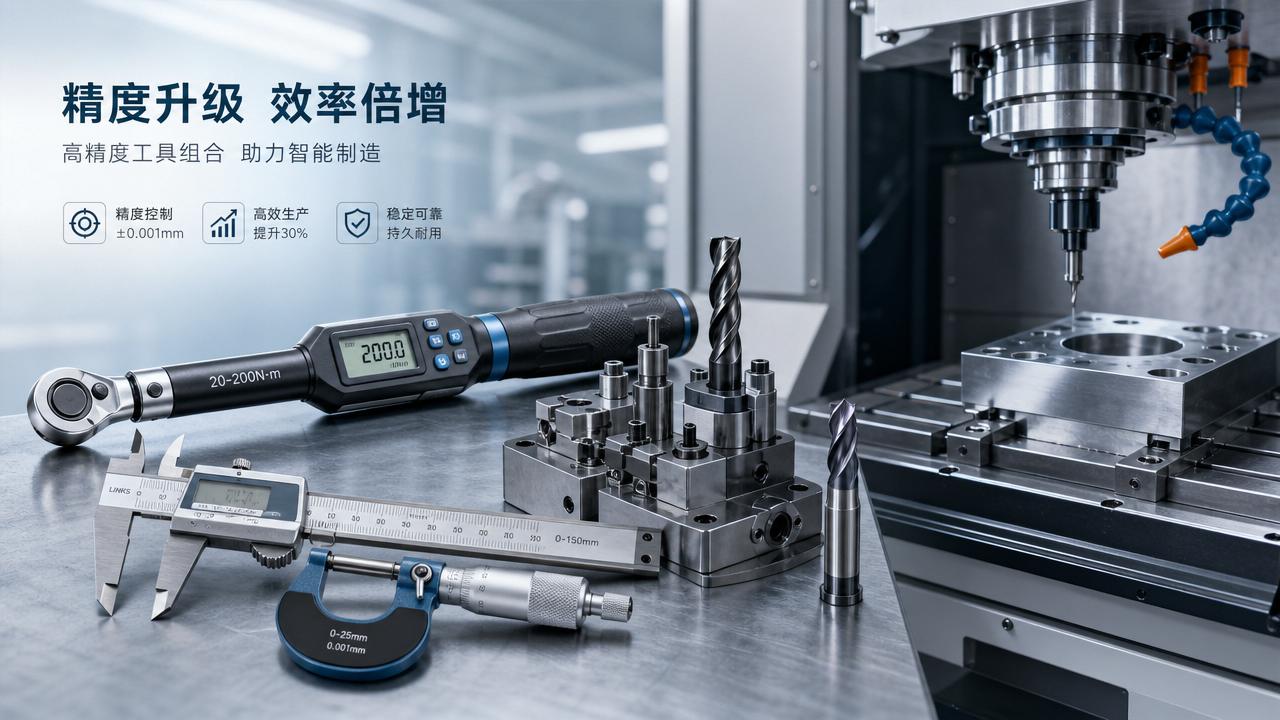
If your workshop still relies on aging equipment, this is the right time to review which mechanical engineering tools are limiting safety, precision, and output.
Across general industry, better mechanical engineering tools now deliver tighter tolerances, lower energy waste, and faster maintenance cycles.
Replacing outdated assets is no longer only a cost issue. It is a production reliability decision linked to quality, compliance, and long-term competitiveness.
This guide explains which mechanical engineering tools are worth replacing this year, why change matters, and how to prioritize upgrades with practical criteria.
What mechanical engineering tools include in modern operations
Mechanical engineering tools cover a wide working range, from manual hand tools to digital measuring systems and powered production equipment.
In daily industrial use, the category usually includes cutting tools, torque tools, measuring devices, fastening systems, clamping tools, and maintenance equipment.
These mechanical engineering tools influence dimensional accuracy, assembly strength, machine uptime, worker safety, and product consistency.
At GHTN, tooling analysis often starts from physical performance. Wear rate, calibration drift, heat resistance, vibration control, and material compatibility all matter.
That is why replacement decisions should focus on measurable decline, not only visible age or purchase date.
Core signs that a tool has reached replacement stage
- Frequent rework caused by uneven cuts, loose fastening, or inaccurate readings
- Rising downtime linked to breakdowns, overheating, or unstable power output
- Safety risks such as cracked housings, damaged insulation, or slipping handles
- Calibration failure or tolerance drift beyond accepted quality limits
- Poor compatibility with newer materials, coatings, or automated lines
Current industry signals shaping replacement decisions
The market for mechanical engineering tools is changing because production systems are becoming faster, smarter, and more data-driven.
General industry now expects better traceability, tighter quality control, and reduced waste from every production stage.
These signals explain why mechanical engineering tools are now reviewed as strategic production assets, not simple workshop consumables.
Mechanical engineering tools worth replacing this year
Not every tool should be replaced at once. Priority should go to categories with direct effects on safety, precision, and throughput.
1. Torque tools and fastening systems
Worn torque wrenches and aging nutrunners often cause inconsistent joint integrity. That can damage assemblies and create hidden failure risks.
Modern mechanical engineering tools in this group offer digital torque tracking, better repeatability, and easier calibration management.
2. Measuring and inspection tools
Calipers, micrometers, dial indicators, height gauges, and laser measuring devices should be reviewed when results start drifting.
Replacing old inspection equipment improves first-pass quality and supports traceable documentation in regulated production environments.
3. Cutting tools and machining accessories
Drills, taps, end mills, inserts, reamers, and abrasive tools lose efficiency long before total failure appears.
Upgraded cutting mechanical engineering tools reduce chatter, improve surface finish, and lower scrap rates on demanding materials.
4. Pneumatic and power hand tools
Old grinders, impact wrenches, air drills, and cordless systems often consume more energy while delivering less stable output.
Newer models improve ergonomics, noise control, battery life, and maintenance planning, especially in intensive shift operations.
5. Clamping, holding, and alignment tools
Fixtures, vises, magnetic holders, and alignment devices directly affect positioning accuracy during machining, welding, and assembly.
When these mechanical engineering tools lose rigidity, every downstream process becomes less predictable.
Operational value of replacing outdated tools
The best upgrade decisions create value across production, maintenance, quality control, and supply performance.
- Lower downtime through more reliable tool performance
- Better precision with reduced dimensional variation
- Safer working conditions through improved design and protective features
- Reduced waste from fewer rejected parts and less rework
- Higher process transparency through digital records and calibration traceability
- Longer service intervals with stronger materials and modular maintenance parts
For complex industrial systems, each improvement compounds. Better mechanical engineering tools help stabilize the full chain from component preparation to final assembly.
Typical replacement priorities by application scenario
Replacement timing should match process demands. The same tool category may have different urgency in different work environments.
Practical selection criteria before replacement
A replacement program should avoid buying based only on brand familiarity or list price.
Review performance data first
Check failure frequency, calibration records, reject rates, repair costs, and operator feedback. These indicators reveal the real condition of mechanical engineering tools.
Match tools to materials and process loads
Tool steel, carbide grade, coating type, torque range, pressure rating, and heat tolerance should fit actual production conditions.
Consider maintainability and supply continuity
Spare parts access, calibration support, consumable lead times, and standard compliance affect long-term ownership cost.
Prioritize safety and ergonomics
Lighter bodies, lower vibration, better grip geometry, and overload protection reduce injury risk and daily fatigue.
Check digital integration options
Some mechanical engineering tools now connect with quality systems, maintenance software, and traceability platforms for better process control.
A practical next step for this year
Start with a simple audit of your highest-impact mechanical engineering tools. Rank them by safety risk, downtime cost, quality influence, and replacement urgency.
Then build a phased plan. Replace measurement and fastening tools first if precision issues are rising. Replace power and cutting tools first if output losses dominate.
The strongest results come from aligning tool replacement with actual process bottlenecks, not general assumptions.
As a global reference point for industrial components and precision manufacturing insights, GHTN tracks the technical and trade signals behind these decisions.
This year, better mechanical engineering tools are not only an equipment upgrade. They are a practical route to safer work, stronger output, and more reliable industrial performance.
Related News