
MIIT Launches 2026 Industrial Energy Conservation Inspection

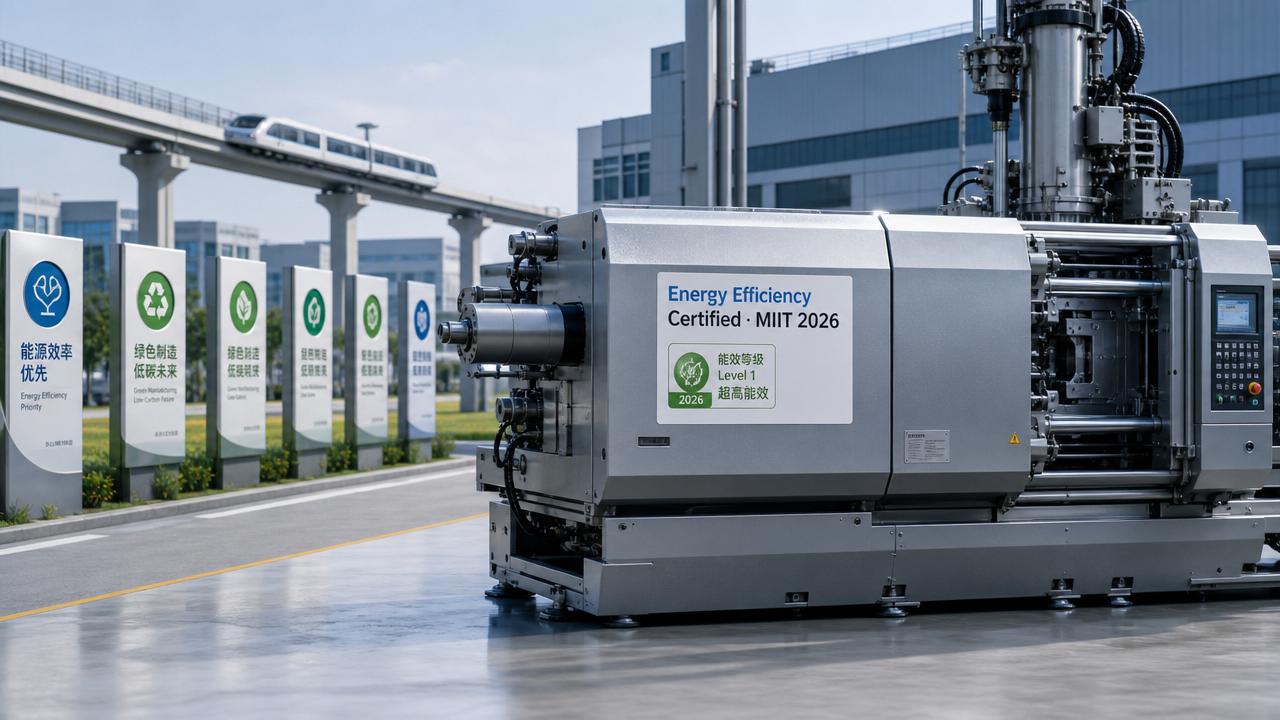
On May 13, 2026, the Ministry of Industry and Information Technology (MIIT) issued the Notice on the 2026 Annual Industrial Energy Conservation Inspection, initiating comprehensive energy efficiency oversight targeting high-energy-consuming manufacturing processes—including die casting, stamping, and forging. This development carries direct implications for exporters of bolts & screws, anchors, and die-cast components, particularly those relying on small- and medium-sized foundries in China’s industrial parks.
Event Overview
On May 13, 2026, MIIT released the official Notice on the 2026 Annual Industrial Energy Conservation Inspection. The notice mandates full-coverage energy conservation inspections across die casting, stamping, and forging sectors. Multiple industrial parks have already begun implementing peak-load shifting power restrictions and energy efficiency diagnostics. According to publicly reported measures, some small- and medium-sized die casting plants are expected to reduce capacity utilization by 15%–20% starting in June 2026. Export orders for bolts & screws, anchors, and die-cast parts face a generalized delivery delay risk—estimated at 2–3 weeks.
Which Subsectors Are Affected
Direct Export Trading Enterprises
These enterprises—especially those sourcing finished hardware or precision die-cast components for overseas markets—are likely to experience extended lead times due to constrained upstream production capacity. Delays stem not from logistics or customs bottlenecks, but from reduced operational hours and mandatory energy audits at supplier facilities.
Component Manufacturing Enterprises (Die Casting / Stamping / Forging)
Manufacturers engaged in die casting, stamping, or forging face immediate operational adjustments: enforced energy diagnostics, potential production curtailment under peak-load electricity management, and increased documentation requirements for energy compliance. Capacity utilization is projected to fall by 15%–20% at affected SMEs beginning in June.
Global Procurement & Sourcing Teams (OEM/ODM Buyers)
International buyers managing China-based supply chains for hardware, fasteners, or structural metal parts must now contend with tighter scheduling windows. The 2–3 week delivery extension applies broadly across standardized categories—not limited to custom-engineered parts—indicating systemic rather than isolated constraints.
Supply Chain Coordination & Logistics Service Providers
Third-party logistics and supply chain orchestration firms may observe increased demand for expedited documentation support (e.g., energy compliance verification), revised shipment planning cycles, and more frequent rescheduling requests—particularly for Q3 2026 deliveries.
What Relevant Enterprises or Practitioners Should Focus On and How to Respond
Monitor Official Updates on Implementation Scope and Timeline
While the MIIT notice confirms nationwide coverage, local enforcement intensity and sector-specific thresholds (e.g., minimum kilowatt-hour consumption triggering inspection) remain subject to provincial implementation guidelines. Enterprises should track announcements from provincial MIIT branches and park-level authorities through official channels.
Prioritize Q3 2026 Capacity Booking and Validate Supplier Energy Compliance Status
Given the anticipated June onset of capacity reductions, securing confirmed production slots for Q3 shipments is advisable. Buyers should request documented evidence of energy compliance assessments from suppliers—especially for die casting and stamping vendors operating in regions with active peak-load management.
Distinguish Between Policy Signal and Operational Impact
The notice signals regulatory prioritization of industrial energy efficiency—not an immediate production ban. However, observable effects (e.g., scheduled power curtailment, on-site diagnostic visits) are already underway in select zones. Enterprises should treat verified local actions (not just the national notice) as the primary indicator for near-term planning.
Adjust Procurement Timing and Communication Cadence with Suppliers
Procurement teams should revise internal lead time assumptions upward by 2–3 weeks for affected categories and proactively confirm revised delivery commitments with suppliers. Early communication helps identify alternative capacity sources before bottlenecks intensify in mid-June.
Editorial Perspective / Industry Observation
Observably, this initiative functions less as an abrupt disruption and more as a formalized escalation of ongoing energy governance efforts—building on previous years’ pilot inspections and provincial energy caps. Analysis shows that the timing (May issuance, June enforcement ramp-up) aligns with annual energy consumption planning cycles, suggesting a procedural rather than reactive rollout. From an industry perspective, the directive is best understood not as a short-term shock, but as a structural signal reinforcing long-term expectations for energy transparency and operational discipline among Tier-2 and Tier-3 metal component suppliers. Continued attention is warranted—not because outcomes are uncertain, but because regional variance in execution will shape actual impact magnitude across clusters like Ningbo (die casting), Dongguan (stamping), and Wuxi (forging).
This notice underscores a maturing phase in China’s industrial energy policy: moving from voluntary reporting toward enforceable, facility-level accountability. For global supply chain stakeholders, it reinforces the growing importance of energy-related due diligence—not only for ESG reporting, but for baseline operational reliability. Current conditions favor treating the notice as both a near-term scheduling consideration and a longer-term indicator of tightening compliance expectations across energy-intensive manufacturing tiers.
Information Source: Ministry of Industry and Information Technology (MIIT), Notice on the 2026 Annual Industrial Energy Conservation Inspection, issued May 13, 2026. Local implementation details—including specific park-level restrictions and diagnostic timelines—remain subject to ongoing provincial and municipal announcements and are being monitored for updates.
Related News