
How manufacturing technology is cutting rework in stamping

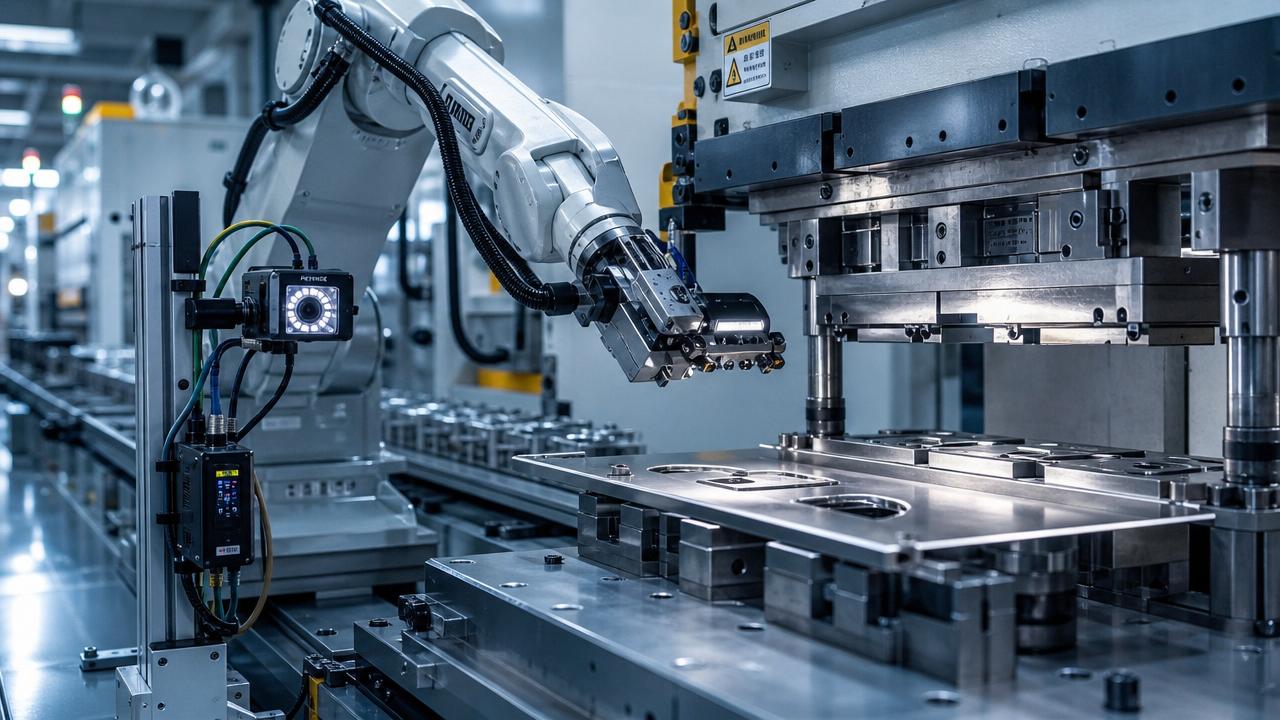
In metal stamping, rework quietly erodes margins, delays delivery, and weakens quality consistency. Today, manufacturing technology is changing that equation by improving die accuracy, process monitoring, and real-time defect control across production lines. For industrial businesses, understanding how these advances cut waste and improve performance is essential for stronger competitiveness.
What does rework in stamping actually include?
Rework in stamping covers any extra activity needed after a part leaves the planned process path. It often includes reshaping, deburring, hole correction, surface repair, or dimension adjustment.
Some rework is visible immediately. Other issues appear later during welding, coating, or assembly. In both cases, the hidden cost is larger than the repair step itself.
Typical triggers include die wear, material variation, poor lubrication, press misalignment, unstable feed rates, and inconsistent operator responses. These problems create scrap, downtime, and quality escapes.
This is where manufacturing technology becomes valuable. It reduces variation before defects spread across batches and before rework becomes a routine operating expense.
How is manufacturing technology reducing rework at the source?
The biggest improvement comes from preventing errors instead of correcting them later. Modern manufacturing technology shifts quality control upstream into design, tooling, and machine setup.
1. Better die design through simulation
Forming simulation software predicts springback, thinning, cracking, and stress concentration before steel is cut. That reduces trial-and-error during die development and shortens launch cycles.
Instead of discovering shape distortion after production begins, engineers can adjust bead design, blank shape, or draw depth in advance. Rework falls because the tool starts closer to the target.
2. Higher precision tooling and machining
CNC machining, EDM, and digital measurement improve die component accuracy. Tighter tolerances in punches, inserts, and guide systems reduce mismatch, burr formation, and edge defects.
When tooling geometry is consistent, part quality becomes more predictable. That lowers manual correction, reduces setup instability, and supports repeatable production across multiple shifts.
3. Sensor-based process monitoring
Press load sensors, tonnage monitors, die protection systems, and strip feed sensors now detect abnormal conditions in real time. This is one of the most practical uses of manufacturing technology.
If a part misfeeds or a punch load changes sharply, the system can stop the press before severe damage happens. One fast stop can prevent hours of rework.
Which manufacturing technology tools have the strongest impact on quality consistency?
Not every digital tool delivers equal value. In stamping, the best results usually come from technologies linked directly to variation control and fast response.
- Vision inspection systems for crack, burr, and surface defect detection
- In-die sensors for part presence, slug pull detection, and strip tracking
- SPC software for trend analysis on dimensions and process drift
- Predictive maintenance tools for die wear and press component condition
- Digital twins and simulation platforms for process validation
Among these, in-line inspection often creates the fastest quality gains. It catches defects immediately, isolates suspect lots quickly, and prevents flawed parts from moving downstream.
Predictive maintenance also matters. Wear-related defects rarely appear all at once. Manufacturing technology helps identify subtle signals early, before dimensions drift beyond acceptable limits.
Where does rework reduction deliver the biggest business value?
Many teams focus on scrap savings first, but the larger benefit often appears in schedule reliability and customer confidence. Rework reduction improves several business outcomes at the same time.
Lower total production cost
Rework consumes labor, machine time, energy, tooling life, and inspection resources. Manufacturing technology lowers these hidden expenses by reducing correction loops and emergency interventions.
Shorter lead times
Every rework step interrupts flow. Parts wait for review, sorting, and approval. Stable stamping processes keep lines moving and improve delivery performance across connected operations.
Stronger downstream quality
A stamped part with hidden variation can create assembly gaps, coating failures, or weld inconsistency. Manufacturing technology reduces defect transfer into later production stages.
Better use of skilled labor
When experienced staff spend less time fixing predictable defects, they can focus on tooling optimization, process improvement, and new product support. That raises organizational capability.
How should a business decide which manufacturing technology to adopt first?
The right starting point depends on defect frequency, process complexity, and the cost of quality failure. A simple decision framework helps avoid overinvestment and scattered implementation.
Start with the failure mode that creates the highest combined loss. That means not only scrap, but also downtime, missed delivery, customer complaints, and repeat manual intervention.
In many cases, moderate investments in monitoring deliver better returns than large equipment upgrades. Manufacturing technology works best when matched to a specific source of variation.
What common mistakes limit results from manufacturing technology?
Technology alone does not eliminate rework. Weak implementation often explains disappointing outcomes. Several mistakes appear repeatedly across stamping operations.
- Installing sensors without clear response rules
- Collecting data but not linking it to corrective action
- Ignoring material variability during process design
- Treating rework as a labor issue instead of a system issue
- Underestimating training for tooling, maintenance, and quality teams
Another mistake is measuring success only by machine utilization. A press can run continuously while producing unstable output. Effective manufacturing technology must improve both uptime and quality yield.
It is also risky to add inspection without improving process capability. Catching bad parts is useful, but preventing them remains the real objective.
How can stamping operations build a practical roadmap for implementation?
A phased roadmap usually outperforms a full digital rollout. It lowers disruption, builds internal confidence, and produces measurable gains that support later investment decisions.
- Map the top three recurring rework causes by cost and frequency.
- Validate root causes using maintenance, quality, and production records.
- Select one manufacturing technology with direct control value.
- Run a pilot on one press line or one high-volume part family.
- Measure scrap, downtime, first-pass yield, and response speed.
- Standardize successful actions before expanding plantwide.
This roadmap aligns well with broader industrial goals. It supports leaner production, better resource efficiency, and stronger process transparency across complex supply networks.
For organizations tracking precision manufacturing trends, this approach also fits the need for smarter tooling decisions and more resilient operational planning.
Quick FAQ summary table
Rework in stamping is rarely just a shop-floor inconvenience. It is a signal of process variation, tooling weakness, or delayed defect detection. Manufacturing technology addresses these causes directly.
The most effective strategy is not to digitize everything at once. It is to target the highest-cost failure points, prove value quickly, and build a more stable production system step by step.
For businesses following precision tooling and industrial component trends, the next move is clear: review current rework patterns, connect them to process data, and prioritize manufacturing technology that improves control at the source.
Related News