
CPSC Recall Flags Compliance Pressure on Pneumatic Tools

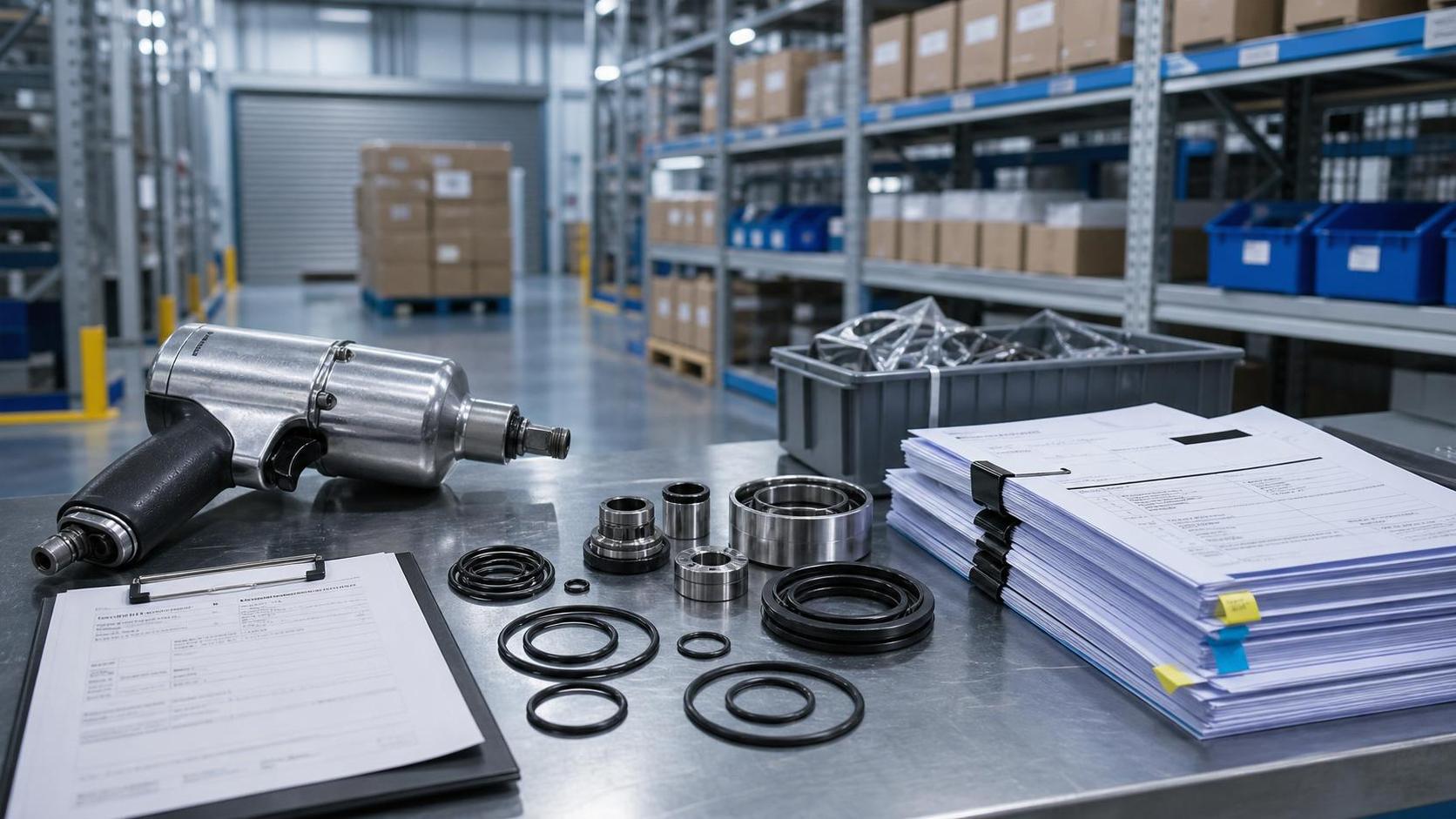
The timing of the underlying incident was not specified in the provided information, but the regulatory development is clear: on July 12, 2026, the U.S. Consumer Product Safety Commission (CPSC) issued a recall notice that reaches beyond one product batch and into current compliance expectations for pneumatic tools entering the U.S. market. For importers, private-label sellers, distributors, manufacturers, procurement teams, and after-sales operators, the issue is worth attention because it combines an immediate stop-use and pull-from-sale requirement with a broader compliance review signal for similar imported products.
What the recall notice confirms
According to the provided summary, the CPSC released Recall #26-142 on July 12, 2026, covering 231,000 pneumatic wrenches made in China and sold under private-label arrangements. The stated reason was a defect in the air cylinder sealing structure, which could lead to sudden rupture under high pressure. The recall required all channel sellers to remove the product from sale immediately and notify end users to stop using it. The same event has also triggered a batch compliance review by the CPSC of importers handling similar pneumatic tools.
Where the pressure may now move across the supply chain
Private-label import flows face closer product scrutiny
From an industry perspective, private-label importers may be the first group to feel the effect because the recalled goods were described as China-made and private-label sold. The practical impact may appear in import compliance review, technical file readiness, product traceability, and the ability to explain how safety-critical components such as sealing structures were specified and controlled. What deserves closer attention is whether documentation, test support, and supplier records are strong enough to withstand follow-up questions during compliance review.
Distributors and channel operators may need faster stop-sale execution
Analysis shows that distributors, resellers, and other channel operators may be affected at the execution level because the recall explicitly requires immediate removal from sale and notification to end users to stop using the product. The pressure here is less about abstract policy language and more about operational response: product identification, stock isolation, downstream notice handling, and customer communication procedures. Businesses in this position should pay attention to whether their current product records and channel controls allow them to act quickly when a regulator issues a recall notice.
Manufacturing and supplier-side teams may face tighter evidence demands
For manufacturers and upstream suppliers, the issue may shift toward design control and technical evidence. Observably, the defect identified in the summary concerns the air cylinder sealing structure, so the areas likely to receive attention are product design review, process consistency, component control, and supporting technical documentation. This does not confirm any new formal rule text in the provided material, but it does signal that product safety evidence for similar categories may receive more direct scrutiny in trade and compliance discussions.
Procurement and service functions may need to reassess delivery risk
Procurement teams, supply chain service providers, and after-sales operators may also be affected because a recall tied to a safety defect can disrupt supply continuity and service obligations. In practice, attention may turn to supplier qualification records, substitute-source planning, warranty exposure, inventory already in transit or storage, and customer support readiness. Where products fall into similar pneumatic tool categories, businesses may need to examine whether delivery schedules or sourcing decisions require additional checks before shipment or acceptance.
What companies should watch next
Prepare compliance files for review, not just for filing
Analysis shows that the CPSC batch review of similar pneumatic tool importers is the most immediate signal in the provided information. Companies handling comparable products should closely review whether technical documents, product descriptions, test materials, supplier records, and traceability files are complete, current, and internally consistent. The key point is not that a new filing rule has been confirmed, but that existing compliance materials may now be tested more actively in practice.
Track whether official language becomes more specific
What deserves closer attention is whether subsequent official communications clarify the review scope, product coverage, or enforcement approach for similar pneumatic tools. Since the provided input does not include detailed execution criteria, companies should avoid treating the current development as a fully defined new compliance framework. It is more appropriate to monitor whether later notices, regulator statements, or market instructions sharpen the compliance expectations around comparable products.
Review supplier qualification and product-change controls
Observably, a defect tied to a sealing structure puts supplier-side engineering control in focus. For businesses sourcing pneumatic tools or related assemblies, it may be prudent to examine how supplier qualification, product-change approval, and technical specification alignment are handled for safety-relevant components. This should be understood as a practical compliance precaution rather than proof of a newly mandated process in the provided material.
Check recall readiness in sales and after-sales channels
Channel sellers and service teams should also watch the execution side: whether product records can support rapid identification, whether customer notification paths are usable, and whether stop-use messaging can be delivered without delay. The recall notice in the provided summary makes immediate action by channels a confirmed fact, so businesses exposed to similar categories may need to test their own readiness for comparable instructions.
Why this reads as an enforcement signal
From an industry perspective, this development is more than an isolated product recall because the provided summary says it has already triggered a batch compliance review of importers dealing in similar pneumatic tools. That makes it more appropriate to understand the event as an enforcement signal rather than only a single-product quality failure. At the same time, it would be premature to describe it as a fully settled rule change, because the input does not provide broader policy text, detailed review criteria, or final market-wide execution standards. The more disciplined reading is that regulators have signaled heightened attention, while the precise compliance consequences for adjacent products still require observation.
How the market is likely to read it for now
At this stage, the event is best understood as a live compliance and execution development with implications for imported pneumatic tools, especially where private-label structures, distributor networks, and technical documentation chains are involved. The confirmed facts support a cautious conclusion: businesses should treat the recall and the related batch review as a practical warning that safety-critical design issues can quickly move into trade, channel, and documentation risk. It does not yet justify broad assumptions about final enforcement outcomes beyond what has been stated.
Basis of this article and what still needs verification
This article is based on the user-provided news title, the statement that the incident timing was not specified, and the supplied event summary concerning the CPSC recall notice and subsequent compliance review signal. For events of this kind, relevant source categories usually include official recall notices, regulator releases, trade or customs authority information, industry association updates, standards-related documents, and reporting by established media outlets. A specific official source link was not provided in the input, so the exact link and any later updates still need to be verified on an ongoing basis. Continued observation should focus on whether further official details emerge regarding review scope, compliance interpretation, procurement document changes, technical documentation expectations, industry feedback, and how affected companies implement the recall-related requirements in practice.