
China’s 55% Beef Tariff Raises Export Cost Concerns

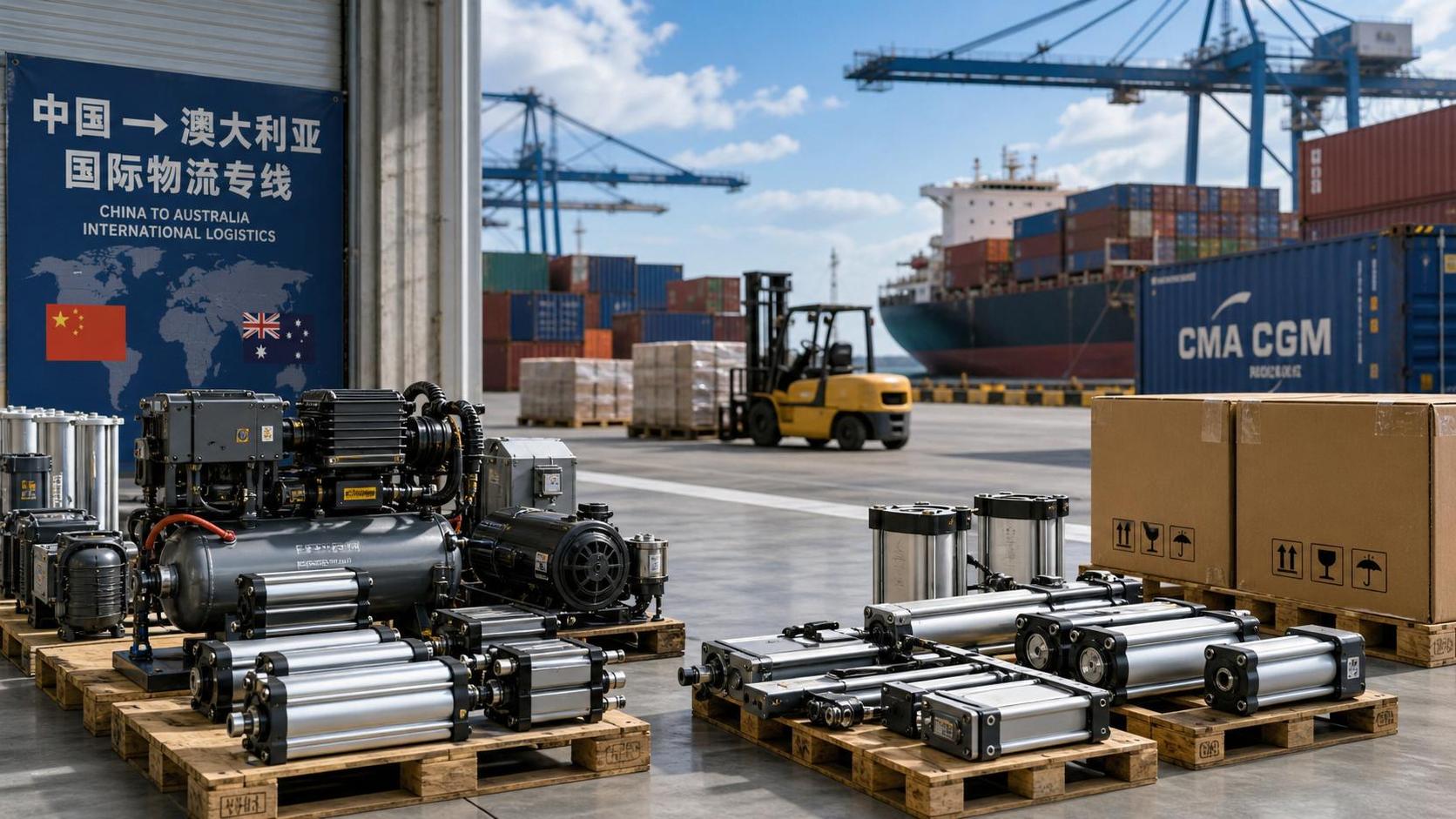
On June 20, 2026, China began imposing a 55% safeguard tariff on beef imported from Australia. The measure does not directly target industrial goods, but it has become relevant to exporters of Air Cylinders and Compressors because it reinforces a more tense trade environment and coincides with stricter inspection trends affecting some Chinese industrial products entering Australia. For Australian importers and distributors handling high-value, longer-lead-time equipment, the immediate concern is not the tariff itself on machinery, but the reassessment of shipping space, customs timing, and total logistics costs across the China-Australia trade lane.
What the confirmed change shows
The confirmed facts are limited but commercially significant. From 00:00 on June 20, 2026, China added a 55% safeguard tariff on Australian beef imports. The measure is described as unrelated to industrial products in a direct sense, yet it has intensified the backdrop of agricultural trade friction between China and Australia. At the same time, recent stricter inspection trends by the Australian side for some Chinese industrial goods have already led Australian importers to re-evaluate ocean freight capacity, customs clearance timing, and overall logistics costs in the bilateral route. The categories specifically noted as needing earlier planning are Air Cylinders and Compressors, especially where product value is high and delivery cycles are long.
Why the pressure is spreading beyond the tariffed product
Exporters are exposed through delivery risk rather than tariff liability
For Chinese exporters of pneumatic components and compressors, the issue identified here is not a newly announced duty on their products. From an industry perspective, the more practical impact lies in delivery reliability. When importers begin reassessing vessel space, clearance timing, and combined logistics expense, exporters may face more questions around shipment scheduling, lead-time commitments, and the ability to maintain delivery windows under changing trade conditions.
Australian distributors may shift inventory and ordering behavior
For Australian distributors, especially those dealing in high-value equipment with longer replenishment cycles, the reported response is earlier planning of stock cycles and local inventory. Analysis shows this can affect purchasing timing, reorder frequency, and preference for more predictable supply arrangements. What deserves closer attention is whether buyers begin placing orders earlier or requesting stronger delivery assurances, even without any direct rule change on the industrial goods themselves.
Logistics and customs-facing service providers may see tighter execution demands
Supply chain service providers connected to the China-Australia lane may be affected through customer expectations on booking certainty, customs timing, and landed-cost visibility. Observably, once importers reassess freight space and clearance efficiency, forwarders, customs support teams, and delivery coordinators often come under pressure to provide clearer documentation flows and more conservative transit planning. This is not a confirmed regulatory outcome, but it is a reasonable execution risk signaled by the information provided.
What companies should watch now
Review shipping and inventory assumptions for long-lead products
Companies selling Air Cylinders and Compressors into Australia should closely review whether current lead-time promises still match customer expectations under a more cautious logistics environment. Analysis shows that products with higher value and longer delivery cycles are more exposed when importers begin building in extra time for freight booking and customs handling.
Prepare documents for closer scrutiny in cross-border execution
Because the summary points to stricter inspection trends on some Chinese industrial products, exporters and distributors should pay attention to the completeness and consistency of technical documents, shipment papers, and product-related records used in customs and delivery processes. The input does not provide detailed execution criteria, so this should be treated as a precautionary compliance focus rather than a confirmed new documentary rule.
Monitor procurement timing and local stock decisions
For distributors and buyers in Australia, the practical issue is whether procurement plans need to move earlier to protect continuity of supply. It is more appropriate to understand this as a planning adjustment signal: where products are expensive, customized, or slower to replace, buyers may need to reassess local inventory buffers and reorder timing rather than rely on previous shipping assumptions.
Track official wording and market-side implementation signals
The available information confirms the tariff action and the resulting market reassessment, but it does not provide detailed downstream enforcement rules for industrial products. Companies should therefore watch for any further official wording, customs practice changes, tender document adjustments, or market feedback that could affect delivery commitments, compliance checks, or buyer qualification requirements.
How this should be read at this stage
Analysis shows that this development is best understood as an execution signal rather than proof of a direct new restriction on pneumatic equipment or compressors. The confirmed policy action is on Australian beef, but the industry relevance comes from the broader trade atmosphere and the way importers are already recalculating logistics risk. Observably, this kind of change matters most where supply chains depend on predictable shipping windows and where inventory cannot be replenished quickly. That is why the event deserves attention from exporters, distributors, and logistics teams even though the tariff itself is not imposed on industrial machinery.
A measured reading for the machinery supply chain
The industry significance of this event lies in its indirect but practical effect on planning, cost visibility, and delivery coordination in China-Australia trade. It would be premature to treat the development as a confirmed rule change for industrial imports themselves. At present, it is more appropriate to understand it as a landed policy change with broader execution implications, and as a sign that companies in Air Cylinders, Compressors, and related supply chains should review lead times, documentation readiness, and local stock planning with greater caution.
Basis of this article and what remains to be verified
This article is generated from the user-provided news title, event date, and event summary. For this type of development, commonly relevant source categories would include official announcements, releases from trade or regulatory authorities, customs or commerce department information, industry association updates, standards-related documents, and reporting by established media. A specific official source link was not provided in the input, so the exact source record still needs to be verified on an ongoing basis. Follow-up attention should remain on any detailed policy wording, implementation practice, inspection approach, tender document changes, market feedback, and actual execution responses by affected companies.
Related News