
Mechanical Engineering Solutions That Reduce Downtime First

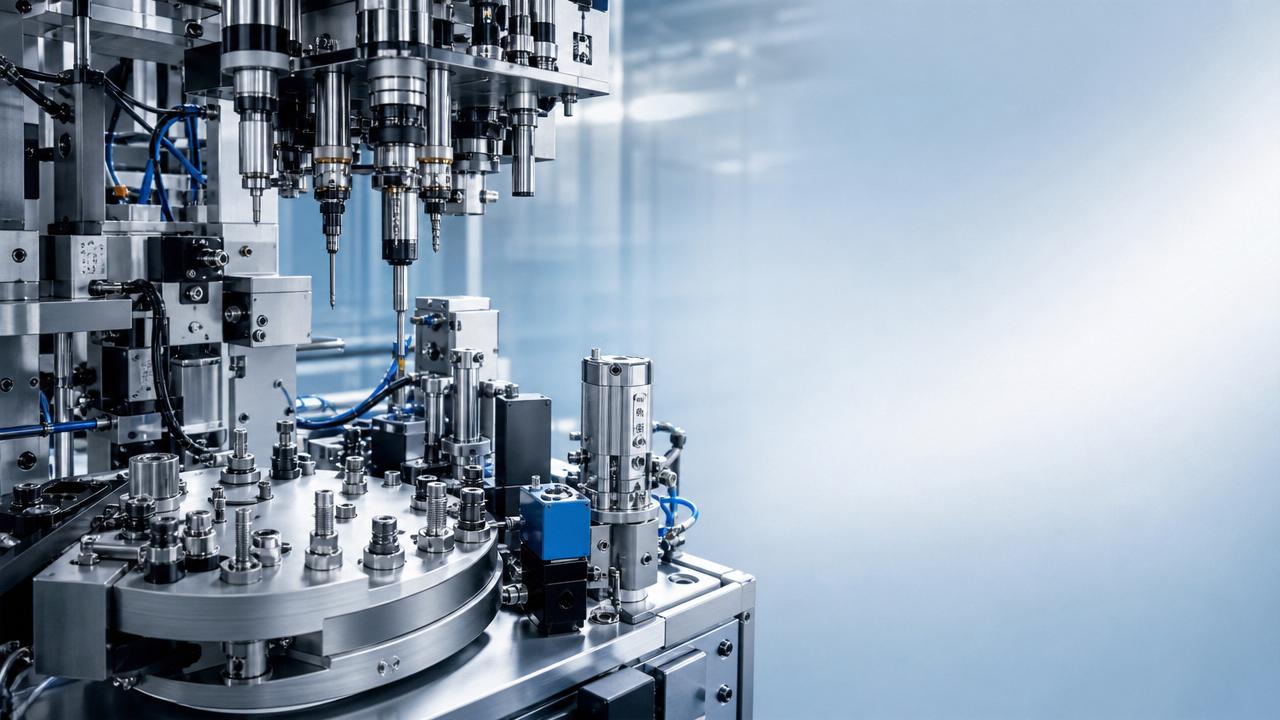
For business leaders under pressure to protect output and margins, mechanical engineering solutions are no longer optional—they are strategic assets. From precision tooling and fasteners to automated pneumatic and electrical systems, the right engineering choices can reduce downtime first, improve reliability, and strengthen supply chain performance. This article explores how data-driven component selection and manufacturing insight help industrial operations stay resilient, efficient, and globally competitive.
In boardrooms and plant meetings alike, downtime is no longer viewed as a narrow maintenance issue. It is a margin issue, a customer-service issue, and often a market-access issue. When a molding cell stops for 4 hours, or an automated fastening line loses repeatability over 2 shifts, the financial impact quickly extends beyond repair cost into missed shipments, overtime labor, scrap, and weakened supplier credibility.
That is why decision-makers are looking beyond single parts and asking broader questions about lifecycle fit, tolerance stability, service intervals, compliance requirements, and sourcing resilience. For industrial buyers, the most effective mechanical engineering solutions are those that improve operational continuity first, then support cost control, scale, and quality assurance.
Why Downtime Reduction Starts with Mechanical Engineering Decisions
Many unplanned stoppages do not begin with dramatic equipment failure. They begin with gradual wear, incorrect material selection, tolerance drift, inconsistent tooling, or underperforming pneumatic and electrical support components. In many factories, 3 to 5 recurring failure points account for most line interruptions over a 30-day period.
Mechanical engineering solutions reduce downtime first because they address root causes at the component and system level. A better fastener specification can prevent loosening under vibration. A more suitable mold steel or cutting tool geometry can extend service life by 20% to 40% under stable operating conditions. A properly sized pneumatic circuit can reduce cycle instability and minimize actuator stress.
The cost of small failures in high-throughput environments
In automated production, small deviations multiply fast. A connector that overheats by a few degrees, a die that shifts by fractions of a millimeter, or a seal that degrades 2 weeks early can trigger stoppages across upstream and downstream processes. For OEMs and distributors, this means the true value of engineering is measured not only by purchase price, but by uptime preserved.
This is especially relevant in sectors where cycle times are tight, changeovers frequent, and quality thresholds strict. In these environments, mechanical engineering solutions should be evaluated against at least 4 operational metrics: mean time between maintenance, setup repeatability, scrap rate, and sourcing lead-time stability.
Typical sources of avoidable downtime
- Improper fastener grade selection for vibration, corrosion, or thermal cycling
- Tool wear not matched to material hardness or production volume
- Pneumatic components sized for nominal load instead of peak load
- Electrical hubs and connectors chosen without considering compliance or heat buildup
- Mold maintenance schedules based on calendar intervals rather than output cycles
A practical sourcing review often reveals that downtime reduction does not require a full capital overhaul. In many cases, 5 to 8 targeted engineering corrections in tooling, joining, actuation, or interface design produce measurable gains within one maintenance quarter.
Core Mechanical Engineering Solutions That Deliver First-Line Reliability
For industrial operations, the best mechanical engineering solutions are rarely generic. They depend on process loads, environmental exposure, production rhythm, maintenance capacity, and the tolerance of downstream equipment. Still, several solution categories consistently deliver early uptime benefits across mixed manufacturing environments.
Precision tooling and wear control
Cutting tools, dies, fixtures, and mold components directly influence throughput consistency. If tooling is selected only on unit cost, operations often face rising edge wear, poor chip evacuation, dimensional instability, or frequent regrinds. A more durable geometry or coating can extend change intervals from 3 days to 7 days in some applications, reducing labor touchpoints and setup variability.
For buyers managing multi-site operations, tooling standardization also matters. Using fewer approved performance bands, such as defined hardness ranges, wear thresholds, and replacement triggers, simplifies inventory management and reduces emergency purchasing.
What to review before buying tooling
- Base material type and hardness range
- Target cycle count or output volume per tool
- Acceptable dimensional drift, such as ±0.02 mm to ±0.10 mm
- Regrind or maintenance interval
- Local support availability and lead time
Fasteners built for real operating conditions
Fasteners may be low-cost items on paper, but they often sit at critical points of mechanical integrity. In high-vibration equipment, high-humidity environments, or outdoor electrical enclosures, the difference between a standard specification and an environment-matched one can determine whether joints remain secure after 6 months or fail after 6 weeks.
Mechanical engineering solutions in fastening should account for load class, coating, torque retention, corrosion exposure, and disassembly frequency. For example, a maintenance-intensive assembly may require a different retention strategy than a sealed housing intended for long service intervals.
The table below outlines how common component categories affect uptime, maintenance load, and sourcing complexity in industrial settings.
The key takeaway is that component value should be judged by operational fit, not only purchase cost. In many plants, the higher-performing option becomes the lower-cost option once maintenance time, quality losses, and stop-start inefficiency are included.
Pneumatic and electrical support systems in automated lines
Mechanical engineering solutions often fail to deliver full benefit if supporting pneumatic and electrical systems are overlooked. A well-designed fixture or tool cannot perform consistently if air quality is poor, pressure fluctuates outside the intended band, or electrical distribution creates intermittent signals.
In practice, automated lines perform more reliably when decision-makers define acceptable operating windows, such as pressure variation within a narrow range, scheduled filter replacement every 1 to 3 months, and connector inspection every 500 to 1,000 operating hours. These controls reduce hidden instability and protect more expensive equipment upstream.
How Decision-Makers Should Evaluate Suppliers and Technical Fit
Choosing mechanical engineering solutions is not simply a technical exercise. It is a supplier-risk decision, a lead-time decision, and often a regional compliance decision. Global buyers need partners that can interpret production realities, not just quote catalogs. This is where technical resource platforms such as GHTN create value by connecting component knowledge, manufacturing logic, and market intelligence.
Five decision filters for industrial procurement
A disciplined evaluation model helps procurement teams avoid short-term purchasing traps. Whether sourcing mold elements, precision tools, fasteners, or electrical support hardware, buyers should score options against at least 5 filters before final approval.
- Performance fit under actual load and environmental conditions
- Lead time stability, including normal and peak-demand periods
- Documentation depth, such as material data, tolerance data, and maintenance guidance
- Compliance relevance for export markets or regulated sectors
- Lifecycle cost over 6, 12, or 24 months rather than unit cost alone
This approach is particularly useful for SMEs entering higher-value supply chains. Standardized evaluation criteria reduce procurement inconsistency between teams and make supplier comparison more transparent.
A practical supplier assessment framework
The following framework can be used by operations leaders, sourcing teams, and engineering managers when comparing potential component or tooling partners across regions.
When applied consistently, this framework shifts procurement from reactive buying to performance-led sourcing. It also helps leadership teams explain why a technically stronger supplier may protect margin better over time, even if initial pricing is not the lowest.
Where GHTN supports better decisions
GHTN’s strength lies in combining technical trend analysis with trade insight across hardware, electrical, and mold sectors. For decision-makers, that means access to a broader view of how fastener performance behaves in extreme environments, how pneumatic logic affects automation reliability, and how micron-level mold revisions influence downstream consistency.
This kind of cross-functional visibility is valuable when operations span multiple product categories or regions. Instead of treating each component as an isolated purchase, buyers can align material selection, process capability, and market-entry planning within one industrial decision framework.
Implementation Priorities: From Audit to Scalable Uptime Gains
Even strong engineering options fail if rollout is fragmented. To make mechanical engineering solutions deliver measurable results, companies need a structured implementation path. For most industrial teams, a 3-stage approach is both practical and scalable: diagnose critical loss points, validate component fit, then standardize successful changes across lines or sites.
Stage 1: Audit the top failure zones
Start with the assets that create the greatest interruption cost. This may be a mold line with repeat cavity wear, a fastening station with frequent retorque issues, or a pneumatic transfer system with unstable cycle timing. Review 60 to 90 days of stoppage records and classify problems into wear, alignment, sealing, actuation, and electrical interface categories.
This first stage should identify no more than 5 priority intervention points. Too many simultaneous changes make cause-and-effect tracking difficult and slow down adoption.
Stage 2: Validate with measurable thresholds
Before expanding a new component or tooling choice, define acceptance criteria. Examples include a 15% longer service interval, a scrap reduction target over 2 production weeks, a tighter torque retention window, or fewer stoppages per 1,000 cycles. Mechanical engineering solutions should be judged through operating evidence, not assumptions.
Where possible, compare baseline and trial performance under the same shift pattern, material batch, and maintenance practice. This prevents overestimating gains from variables unrelated to the component itself.
Stage 3: Standardize and build procurement discipline
Once a solution proves effective, document approved specifications, reorder triggers, inspection points, and replacement intervals. Standardization is often where uptime gains become long-term financial gains. It reduces ad hoc buying, cuts variation between facilities, and allows better forecasting for critical stock items.
For many companies, the difference between isolated improvement and sustained reliability is not innovation alone. It is the discipline to convert successful trials into repeatable sourcing and maintenance practice.
Common mistakes that delay results
- Replacing failed parts with identical specifications without reviewing root cause
- Comparing suppliers only by unit price and ignoring response speed
- Skipping documentation of torque, wear, or cycle-count thresholds
- Overlooking compatibility between mechanical, pneumatic, and electrical subsystems
- Launching plant-wide changes before validating performance on one line
Business leaders who want faster returns should focus on solutions that are technically specific, operationally measurable, and easy to standardize. That is where mechanical engineering solutions move from engineering theory to strategic business performance.
For global OEMs, distributors, and growth-focused manufacturers, reducing downtime first is one of the clearest ways to protect margin and strengthen customer confidence. The most effective mechanical engineering solutions combine precision tooling, reliable fastening, stable pneumatic and electrical support, and supplier evaluation grounded in real operating conditions.
GHTN helps industrial decision-makers connect these moving parts with deeper technical insight and market intelligence across hardware, electrical, and mold sectors. If you are reviewing component strategy, supplier fit, or uptime improvement priorities, now is the right time to get a tailored plan. Contact us today to discuss your application, request a customized solution, or learn more about practical mechanical engineering solutions for resilient manufacturing.
Related News