
Tooling Solutions That Fix Delays Caused by Design Changes

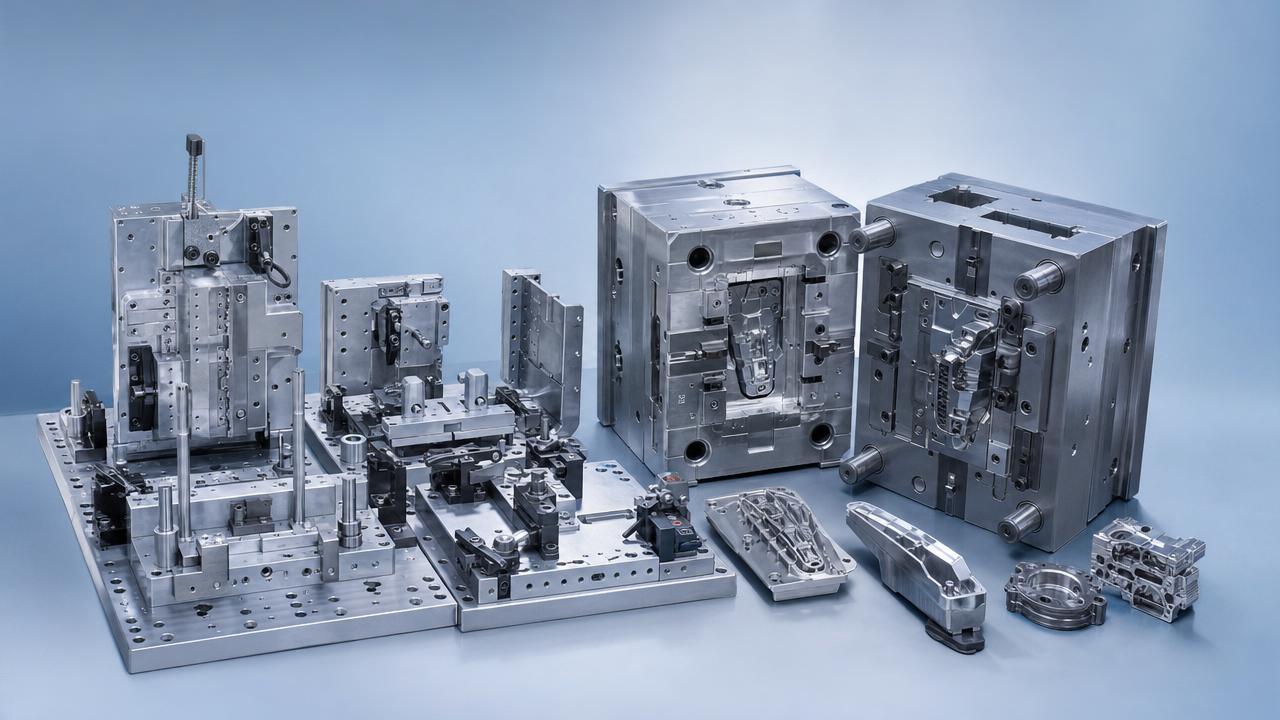
Design changes can derail schedules, inflate costs, and disrupt coordination across engineering, sourcing, and production. In industrial programs where tolerances are tight and delivery windows are fixed, the choice of tooling solutions often determines whether a change becomes a controlled adjustment or a cascading delay. Effective tooling strategies help absorb engineering revisions without sacrificing repeatability, quality assurance, or downstream assembly performance. For organizations operating across hardware, electrical, and mold-related supply chains, the right response is not simply faster tooling, but smarter tooling designed for revision resilience.
Understanding Tooling Solutions in Change-Driven Manufacturing
In practical terms, tooling solutions refer to the combination of molds, dies, fixtures, jigs, cutting tools, inspection aids, and process-support systems used to turn design intent into repeatable production output. When a design changes, each of these elements may need modification, replacement, or validation. Delays occur when tooling is too rigid, too specialized, or poorly documented, making every revision expensive and slow.
Flexible tooling solutions reduce this risk by allowing controlled adjustments at critical interfaces. Examples include modular fixture plates, replaceable cavity inserts, standardized locating features, reconfigurable clamping systems, and digital inspection templates linked to updated CAD data. These approaches support shorter engineering change cycles because they reduce the amount of hardware that must be rebuilt from zero.
This matters across the broader industrial landscape. In hardware components, a minor geometry change can alter fastener engagement or torque behavior. In electrical assemblies, a revised housing may affect routing, clearance, or compliance spacing. In mold production, small design shifts can trigger significant rework if gating, cooling, or ejector layouts are not adaptable. The most reliable tooling solutions account for these realities before a revision reaches the shop floor.
Current Industry Pressures Behind Tooling Delays
Design volatility is increasing across integrated manufacturing programs. Product updates happen later in the development cycle, compliance requirements change more frequently, and supply chain substitutions introduce dimensional or material impacts that force design revisions. Under these conditions, conventional hard tooling with limited adjustability becomes a bottleneck.
These pressures explain why agile tooling solutions are now a strategic requirement rather than a technical convenience. The objective is not to eliminate change, but to build a tooling environment that can process change with less disruption.
Business Value of Agile Tooling Solutions
The clearest value of agile tooling solutions is schedule protection. If a fixture can be reconfigured in hours instead of remade in weeks, engineering changes no longer stop trial builds or qualification runs. This improves launch confidence and reduces the hidden cost of idle equipment, interrupted planning, and emergency sourcing.
Cost control is another major benefit. Design changes often trigger a chain reaction: tooling edits, new samples, repeated metrology, revised work instructions, and extra logistics. Modular tooling reduces the number of affected components, while standardized interfaces simplify replacement and approval. Over time, these tooling solutions lower total lifecycle cost even if the initial engineering effort is higher.
Quality also improves when tools are designed for revision management. Rework performed under time pressure can introduce variation if alignment references, venting, cooling balance, or clamp repeatability are not preserved. By contrast, well-planned tooling solutions maintain datum logic and process stability even after geometry changes. That reduces scrap, shortens capability recovery, and supports more consistent output across batches and sites.
For industrial intelligence platforms such as GHTN, this topic sits at the intersection of precision manufacturing, tooling performance, and market competitiveness. Tooling adaptability is no longer only an engineering concern; it directly influences delivery reliability, supplier resilience, and long-term margin performance in complex global supply networks.
Typical Tooling Solutions for Common Revision Scenarios
Not every change requires the same response. The best tooling solutions are selected according to part geometry, volume, material behavior, tolerance risk, and validation urgency.
In mold manufacturing, insert architecture is especially effective. Instead of reworking a full cavity, teams can update high-risk zones such as snap fits, bosses, ribs, or sealing surfaces. In machining and assembly, universal base plates with interchangeable nests allow repeated adaptation without losing positional accuracy. These are practical, field-proven tooling solutions that support change while protecting process integrity.
Implementation Priorities That Reduce Rework
To make tooling solutions effective, revision handling must start upstream. The first priority is linking design change review to tooling impact analysis. Every engineering revision should trigger a structured check of affected datums, wear surfaces, cycle-time assumptions, and inspection references. Without this discipline, changes that appear minor on a drawing can produce major shop-floor delays.
- Standardize tool interfaces so inserts, clamps, and locator elements can be swapped with minimal fitting.
- Use digital revision control for CAD, CAM, tool drawings, and inspection programs to avoid mixed versions.
- Separate high-change features from stable features in tooling architecture.
- Validate modified tools with targeted trials instead of repeating every qualification step when risk is low.
- Document lessons from each change so future tooling solutions become faster and more predictable.
Another important practice is maintaining a dual-speed tooling pathway. Rapid prototype tooling can absorb early uncertainty, while production tooling is released only after design stability reaches an agreed threshold. This staged approach prevents expensive hard-tool rework and improves decision timing. It is particularly useful in sectors where hardware, electrical, and molded components must converge under strict launch deadlines.
Common Risks and Evaluation Criteria
Not all flexible tooling solutions deliver equal value. Excessive modularity can add tolerance stack-up, increase maintenance complexity, or reduce cycle efficiency if not engineered carefully. The goal is selective flexibility at the points most likely to change, not a fully variable system with unstable performance.
A strong evaluation framework should consider five criteria: revision frequency, modification lead time, effect on critical tolerances, validation burden, and expected production life. If a tool serves a long-life program with recurring updates, adaptable tooling usually pays back quickly. If geometry is stable and volume is extreme, dedicated tooling may still be the better solution.
The most dependable tooling solutions balance flexibility with process discipline. They are backed by measurable engineering logic, not only urgency. That includes material compatibility, maintenance accessibility, tool steel selection, cooling efficiency, and inspection repeatability after each revision.
Practical Next Steps for Stronger Change Response
A practical starting point is to review recent delays and identify which tools caused the most schedule loss after design changes. From there, map recurring problems such as non-adjustable nests, single-piece cavity designs, disconnected CAD revisions, or slow first-article validation. These pain points reveal where upgraded tooling solutions can create immediate gains.
Organizations seeking stronger manufacturing resilience should prioritize modular fixtures, insert-based mold strategies, integrated digital traceability, and qualification methods aligned to actual revision risk. In a market shaped by precision, compliance, and speed, these tooling solutions support more stable delivery without weakening quality controls. GHTN continues to track the technical trends, component-level insights, and manufacturing intelligence that help industrial programs respond to change with greater confidence and operational precision.
Related News