
How electrical engineering components affect system safety

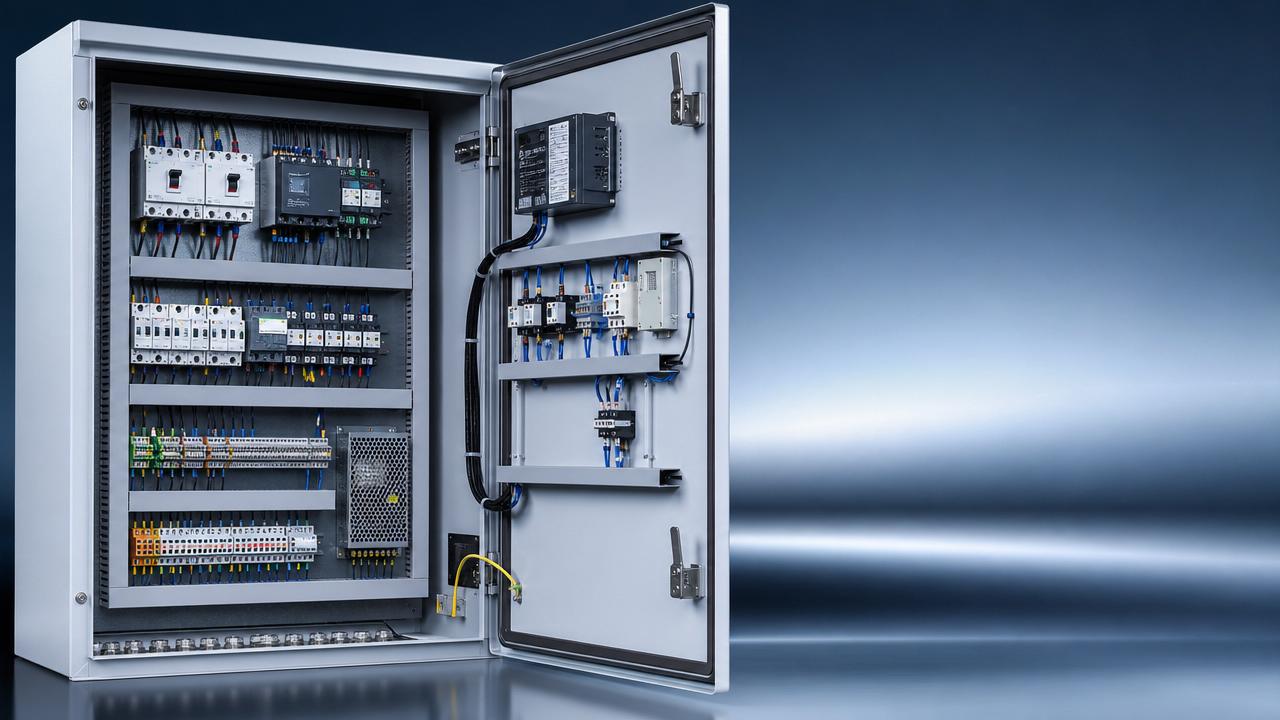
In industrial systems, electrical engineering components do far more than enable performance—they directly shape reliability, compliance, and operational safety. For quality control and safety managers, understanding how component selection, design integrity, and failure resistance influence risk is essential to preventing downtime, hazards, and costly nonconformities. This article explores why these components are critical to safer, more resilient systems.
Across automated lines, power distribution cabinets, control panels, test benches, and mold-driven production cells, a small component can determine whether a system runs for 20,000 hours or fails during a peak production shift. For B2B buyers and internal reviewers, the real question is not only whether a component works, but whether it continues to work safely under heat, vibration, current fluctuation, dust, and maintenance pressure.
For organizations that source through global industrial networks such as GHTN, component-level decisions influence much more than installation cost. They affect inspection workload, incident probability, replacement cycles, regulatory readiness, and the long-term stability of OEM and distributor relationships. That is why electrical engineering components must be evaluated as safety-critical assets, not as interchangeable line items.
Why electrical engineering components are a frontline safety issue
In many industrial environments, 3 failure categories account for most electrical safety concerns: overload, insulation breakdown, and control loss. Each category can begin with a single weak point such as an underspecified relay, a connector with poor contact resistance, or a terminal block that loosens after repeated thermal cycling.
Electrical engineering components sit at the interface between power, control, and protection. Fuses, breakers, contactors, sensors, connectors, busbars, terminals, power supplies, and surge protection devices all serve different roles, but they share one common function: they limit risk by managing energy flow within defined operating thresholds.
Component failure rarely stays local
A failed push-in connector may first appear to be a minor maintenance issue. In practice, it can raise resistance, increase localized temperature by 10–30°C, degrade insulation, and trigger nuisance trips or arc-related damage. In systems with continuous duty cycles of 16–24 hours per day, that chain can escalate quickly.
Similarly, if a power supply operates close to 90%–100% of rated capacity for long periods without thermal margin, control instability can affect PLC inputs, sensor readings, and actuator response. Quality defects may appear before a formal electrical failure is even detected.
Safety depends on the right match, not the highest specification
Over-specification can increase cost and cabinet space, but under-specification is the greater risk. A component rated correctly for 24V DC control may still be unsuitable if it lacks ingress protection for dusty areas, vibration resistance for moving equipment, or dielectric endurance for fluctuating loads.
- Electrical rating must match actual voltage, current, and inrush behavior.
- Mechanical design must tolerate installation stress, vibration, and repeated handling.
- Environmental resistance must fit temperature, humidity, oil mist, and contamination levels.
- Compliance documentation must support audit readiness and traceable procurement.
For quality control teams, these four checks reduce the chance of hidden nonconformities. For safety managers, they form a practical screening process before the component ever reaches the production floor.
Which electrical engineering components most directly affect system safety
Not all components carry equal safety impact. In most industrial systems, the highest-risk items fall into 5 groups: protection devices, switching components, connection systems, sensing devices, and power conversion units. These groups should receive tighter incoming inspection and change-control review.
High-impact component groups and typical risk points
The table below maps common electrical engineering components to safety functions, likely failure modes, and practical control points. This is useful during supplier evaluation, FMEA preparation, and line-side troubleshooting.
The key takeaway is that safety performance often depends on interfaces. A breaker may be compliant, but if paired with the wrong cable lug or installed in a poorly ventilated enclosure, the total assembly still becomes unsafe. Component review must therefore be system-based, not item-based.
Why connection quality is often underestimated
Among all electrical engineering components, connectors and terminal systems are frequently treated as low-complexity items. Yet field issues often begin there because contact integrity depends on installation discipline. A 1 mm conductor mismatch, insufficient crimp force, or repeated vibration can create progressive resistance growth.
In high-throughput industrial lines, these issues may produce subtle symptoms for weeks: random sensor dropouts, unstable motor commands, or heat discoloration near terminations. By the time the fault is visible, both safety and product quality may already be compromised.
Three warning signs for audits and inspections
- Repeated nuisance trips at similar load intervals, often within 2–6 hours of startup.
- Localized heat marks, odor, or insulation hardening near cable entries and junction points.
- Intermittent control faults that disappear after manual reseating or retightening.
Selection criteria that quality and safety teams should apply
A sound purchasing process for electrical engineering components should go beyond datasheet review. In most B2B environments, at least 6 evaluation dimensions are necessary: electrical suitability, environmental fit, mechanical durability, compliance support, traceability, and maintenance practicality.
A practical decision framework
The table below can be used by QC staff, EHS teams, and sourcing managers when comparing component options from different suppliers. It keeps the discussion focused on measurable risk rather than price alone.
This framework helps teams avoid a common sourcing error: selecting a component that passes bench testing but fails under real operating profiles. For safety-critical assemblies, process context is as important as catalog specification.
Questions buyers should ask before approval
- Will the component operate near its upper temperature or current limit for more than 8 hours per shift?
- Is the termination method field-friendly, or does it depend on highly consistent manual workmanship?
- Can maintenance staff replace it within 10–20 minutes without disturbing adjacent safety functions?
- Does the supplier provide stable revision control when materials or tooling change?
These questions are especially relevant in mixed global supply chains, where form-fit-function consistency can vary across production batches. For portals like GHTN that connect industrial buyers to component intelligence, this is where market insight becomes operational risk control.
How to reduce failure risk during implementation and maintenance
Even well-chosen electrical engineering components can create safety problems if installation and maintenance are weak. In many facilities, 4 implementation stages decide the final outcome: receiving inspection, assembly control, commissioning verification, and periodic maintenance review.
1. Receiving inspection
Check labeling, packaging integrity, visible damage, and document consistency before parts enter stock. For safety-related items, verify lot traceability and rating marks against the approved bill of materials. A 5-minute receiving check can prevent a much larger isolation event later.
2. Assembly control
Installers should follow torque values, conductor preparation rules, separation distances, and routing discipline. Where thermal load is significant, spacing and ventilation should be checked at the cabinet level, not only at the component level. Minor layout compromises can add hidden heat stress over time.
3. Commissioning verification
A proper commissioning routine includes continuity checks, protective device verification, simulated fault response, and temperature observation during early load operation. In many cases, the first 24–72 hours reveal loose terminations, unstable power conversion, or unexpected control interactions.
4. Periodic maintenance review
Inspection frequency depends on duty severity. High-vibration or high-temperature zones may require quarterly review, while stable indoor control cabinets may follow a 6–12 month cycle. Infrared scanning, retorque checks where permitted, and terminal discoloration review are practical tools for early detection.
Common implementation mistakes
- Using the same component selection standard for clean indoor panels and harsh process areas.
- Approving substitutes without reviewing short-circuit behavior, heat rise, or connector geometry.
- Treating documentation gaps as administrative issues rather than safety signals.
- Ignoring cumulative load changes after line upgrades or added automation modules.
For safety managers, these mistakes matter because industrial incidents often result from change accumulation, not a single dramatic error. Every small deviation in component quality, fit, or installation discipline increases the system’s exposure over time.
Procurement, compliance, and long-term safety performance
Safety is easier to maintain when procurement, engineering, and quality teams use the same evaluation language. Electrical engineering components should therefore be managed through a controlled sourcing process, especially when suppliers span multiple regions or when lead times fluctuate between 2 and 8 weeks.
What procurement teams should document
At minimum, a safety-relevant component file should include approved specifications, accepted substitutions, revision history, supplier documents, and inspection checkpoints. If a site uses 3 or more alternate sources, the equivalence review should be formal rather than informal.
This discipline protects against hidden variance in plating thickness, polymer grade, contact force, or assembly tolerance. Those differences may seem minor at purchase stage, but they directly affect life expectancy, fire risk, and shutdown frequency in service.
Why industrial intelligence matters
Global industrial platforms create value when they connect technical detail with sourcing reality. For example, understanding trends in electrical compliance, material shifts, and precision manufacturing quality helps buyers identify whether a low-cost offer reflects genuine efficiency or increased safety uncertainty.
That alignment is particularly important for OEMs, distributors, and plant operators working across hardware, electrical, and mold-linked manufacturing ecosystems. In these settings, electrical engineering components are part of a larger reliability chain that includes mechanical fit, tooling precision, and maintenance access.
A short FAQ for quality and safety managers
Are higher-rated components always safer?
No. A higher rating can help, but only if the component also fits the switching profile, installation space, environmental condition, and protective coordination of the system. Mismatch can reduce safety rather than improve it.
How often should connection points be reviewed?
There is no single interval for every facility. In demanding applications, every 3 months may be justified. In lighter-duty indoor systems, 6–12 months is more common. Review frequency should reflect heat, vibration, contamination, and criticality.
What is the biggest hidden risk in component sourcing?
Uncontrolled substitution. Even when nominal ratings look similar, differences in material, geometry, or endurance can alter failure behavior. Every substitution affecting electrical engineering components should be reviewed through quality and safety gates.
For quality control personnel and safety managers, the safety value of electrical engineering components lies in disciplined selection, controlled implementation, and continuous verification. The most reliable systems are rarely built from the cheapest parts or the broadest specifications; they are built from components that are correctly matched, properly documented, and consistently maintained.
GHTN supports this approach by connecting industrial buyers with deeper insight into component performance, compliance trends, and manufacturing precision across the hardware and electrical supply chain. If you are reviewing component risk, planning a sourcing upgrade, or tightening system safety controls, now is the right time to get a tailored solution, consult product details, and explore more industrial component strategies.
Related News