
How to compare electrical engineering components wisely

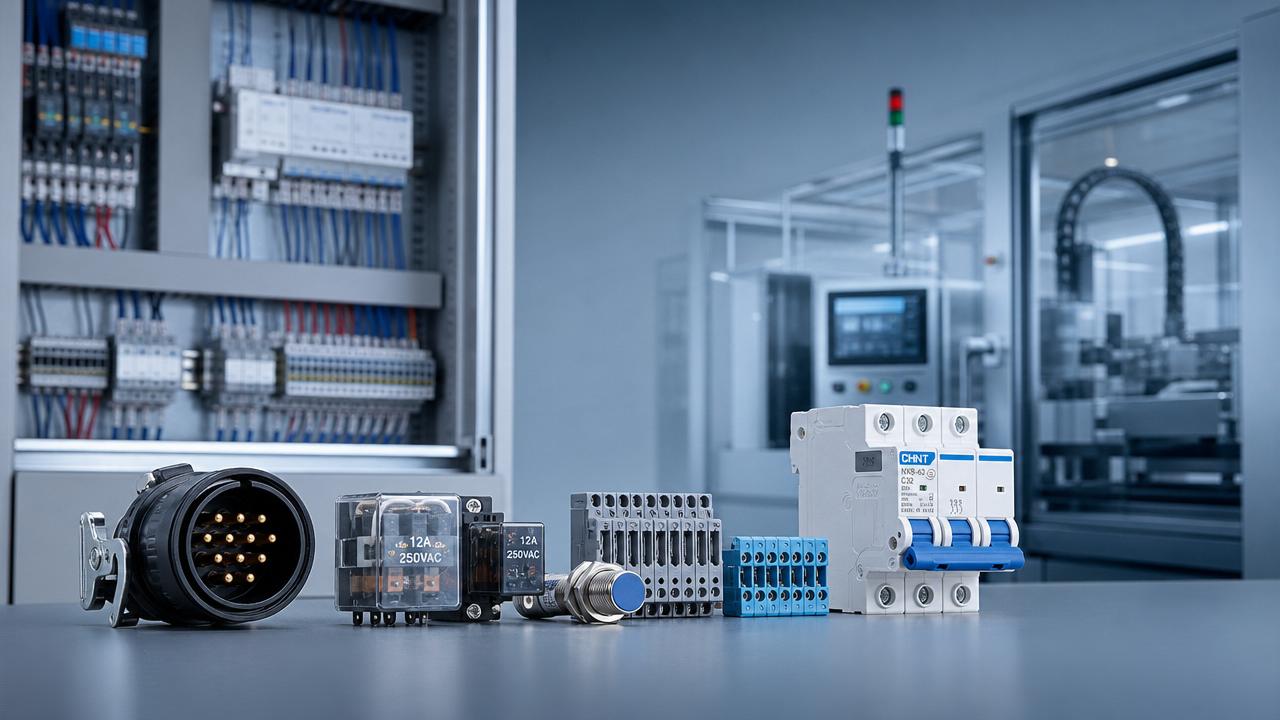
Choosing electrical engineering components wisely now requires more than checking price, voltage, or current ratings. Faster automation, stricter compliance, and longer lifecycle expectations are reshaping how electrical engineering components should be evaluated.
In modern industry, every connector, relay, sensor, terminal, breaker, and control module affects uptime, safety, and total cost. A smart comparison process helps reduce hidden failure risks and supports reliable production performance.
For complex industrial systems, electrical engineering components must match real operating conditions, not only ideal laboratory data. That shift is becoming a major trend across hardware, tooling, electrical integration, and precision manufacturing environments.
Why electrical engineering components are being compared differently today
The comparison standard has changed because industrial systems are no longer isolated. Machines, power distribution, control logic, and digital monitoring now interact continuously across production lines and supply chains.
As a result, electrical engineering components are judged by interoperability, compliance readiness, maintenance ease, and resilience under variable loads. A cheaper part may create expensive downtime when integration requirements become tighter.
Another shift comes from export-oriented manufacturing. Components often need to satisfy IEC, UL, CE, RoHS, or application-specific standards. Comparison methods must therefore include regulatory fit, documentation quality, and traceability depth.
Trend signals showing higher evaluation standards
Several market signals show why electrical engineering components now require more structured comparison. The change is visible in design reviews, sourcing decisions, after-sales support, and digital factory planning.
- More applications demand compact components with higher thermal efficiency.
- Harsh environments require stronger sealing, insulation, and vibration resistance.
- Smart equipment increases demand for communication-ready electrical interfaces.
- Lifecycle cost is replacing unit price as the main decision metric.
- Documentation and quality consistency are becoming key selection factors.
These signals matter across broad industrial sectors. From control cabinets to molded systems and tooling lines, reliable electrical engineering components now influence competitive output and service continuity.
What is driving the shift in electrical engineering components comparison
The drivers are technical, commercial, and operational. Looking at them together creates a more realistic way to compare electrical engineering components for demanding applications.
How application context changes the way electrical engineering components should be judged
The same specification can perform differently across real environments. That is why electrical engineering components should always be compared within the exact duty cycle and installation context.
Temperature, vibration, and contamination matter more than expected
A relay rated correctly on paper may degrade quickly in a hot enclosure. A connector may loosen under vibration. Dust, oil mist, and humidity can accelerate tracking, corrosion, and insulation failure.
Electrical loads are rarely static in real production
Startup current, switching frequency, harmonic distortion, and transient surges can stress electrical engineering components beyond nominal values. Wise comparison includes overload tolerance and protective coordination.
Mechanical integration also affects electrical reliability
Mounting method, terminal design, wire routing, and enclosure space influence heat dissipation and serviceability. Electrical engineering components should fit the physical layout as well as the electrical diagram.
The most important factors to compare before making a decision
A useful comparison framework combines measurable performance with operational practicality. This prevents decisions based only on headline specifications.
- Material quality: Check conductor purity, housing polymers, plating quality, and flame resistance.
- Thermal behavior: Compare current carrying capacity with realistic enclosure temperatures.
- Compliance status: Verify valid standards, reports, and market-specific approvals.
- Durability data: Review switching cycles, ingress protection, and environmental endurance tests.
- Installation efficiency: Evaluate wiring access, mounting speed, and maintenance convenience.
- Interchangeability: Assess whether replacements preserve system integrity and safety margins.
- Supplier consistency: Look at lot stability, technical support, and documentation completeness.
This approach is especially relevant where electrical engineering components support automated machinery, precision tools, control panels, and export-grade industrial assemblies.
Where comparison mistakes create the biggest hidden costs
Many failures start with a narrow comparison model. A part can look equivalent in a catalog yet behave very differently over time inside a loaded industrial system.
Common hidden costs include repeated maintenance, nuisance trips, overheating, unstable communication, certification delays, and field replacement labor. These issues often outweigh any initial savings on electrical engineering components.
What deserves close attention in the next evaluation cycle
Future-ready comparison should focus on performance under change. Industrial systems are becoming denser, smarter, and more compliance-sensitive, so electrical engineering components must be judged accordingly.
- Prioritize verified derating data, not only nominal values.
- Check whether component design supports predictive maintenance systems.
- Examine terminal security and vibration tolerance for moving equipment.
- Review compliance adaptability for multiple destination markets.
- Compare lifecycle support, revision control, and technical traceability.
These priorities align with broader industrial intelligence. They also reflect the need for stronger links between component physics, manufacturing uptime, and long-term market access.
A practical way to compare electrical engineering components with better confidence
A structured method improves decisions and reduces revision risk. It also creates a repeatable benchmark for future sourcing and technical upgrades.
- Define the real operating profile, including temperature, duty cycle, and electrical stress.
- Shortlist electrical engineering components that meet mandatory standards first.
- Compare material construction and test evidence, not claims alone.
- Review installation efficiency and maintenance accessibility.
- Estimate lifecycle cost, including energy loss, service intervals, and failure exposure.
- Validate with pilot testing whenever the application is critical.
This method supports stronger decisions across electrical hubs, tooling systems, precision manufacturing lines, and integrated hardware platforms.
Taking the next step with a deeper comparison mindset
Wise selection of electrical engineering components begins with better questions. Ask how a part behaves in real conditions, how it supports compliance, and how it affects uptime over years, not weeks.
For industrial decision-making, the strongest results come from linking material science, performance testing, and market insight. That is where deeper comparison creates measurable operational value.
GHTN continues to track the technical trends behind industrial parts, electrical systems, and precision tooling. Use that perspective to compare electrical engineering components with more clarity, stronger evidence, and better long-term outcomes.
Related News