
Korea Adjusts PET Film Duties, Insulation Costs in Focus

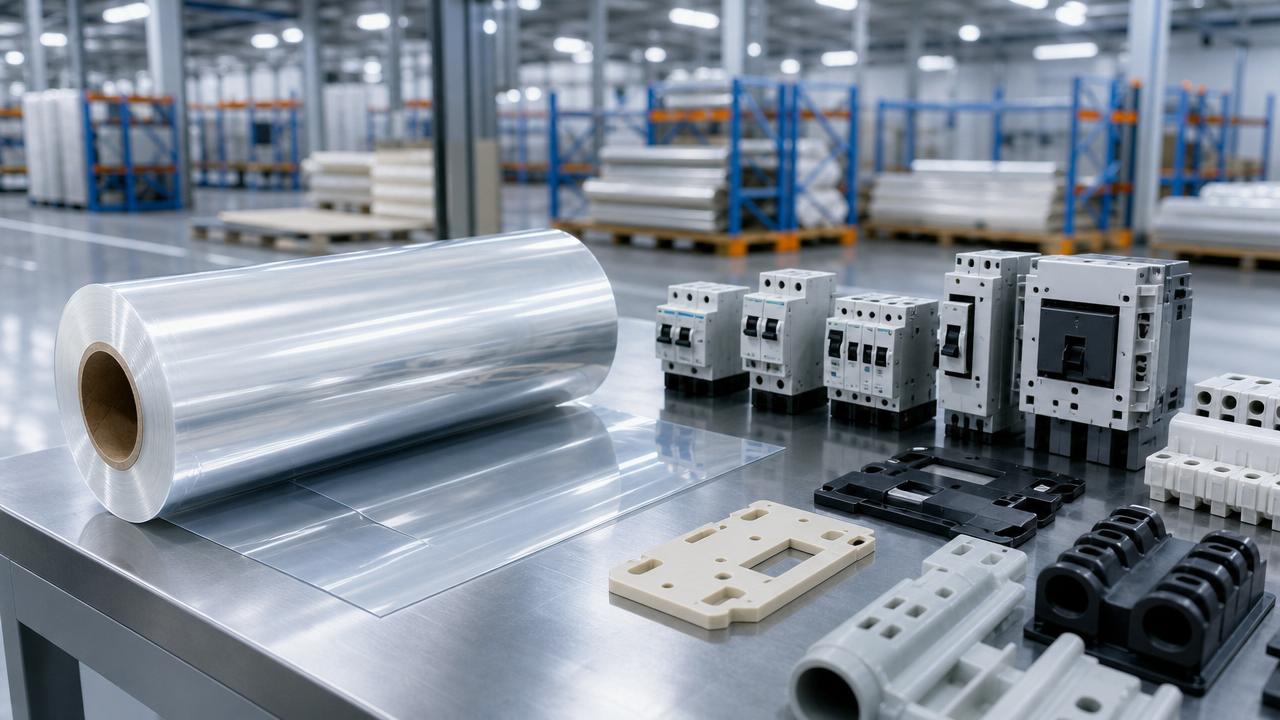
On March 18, 2026, the Korea Customs Service announced adjustments to anti-dumping duties on PET film originating from China, with some company-specific rates lowered while others remain unchanged. Because PET film is widely used in insulation layers and panel laminates for electrical products such as switches and circuit breakers, this policy move is worth close attention from electrical component manufacturers, material buyers, import traders, and supply chain service providers.
Event Overview
According to the publicly disclosed information, on March 18, 2026, the Korea Customs Service adjusted anti-dumping duties on PET film originating from China. The adjustment does not represent a full cancellation of the duties. Instead, some enterprises received lower duty rates, while some rates were maintained.
PET film is used in electrical products including switches and circuit breakers, particularly in insulation layers and panel lamination applications. The currently available information confirms the duty adjustment and its relevance to PET film imports from China, but does not provide additional verified data on transaction volumes, specific product prices, or downstream cost changes.
Which Segments Are Affected
Direct Import and Trade Companies
Companies involved in importing Chinese-origin PET film into South Korea may be directly affected because anti-dumping duty rates influence landed cost calculations. For enterprises whose suppliers are included in the lowered-rate group, the adjustment may create room to reassess quotations, contract terms, and shipment planning.
For suppliers or importers whose duty rates remain unchanged, the main impact is continued cost pressure and the need to maintain accurate customs classification, origin documentation, and duty-rate verification. From an industry perspective, the difference between lowered and unchanged rates may also make supplier selection and compliance review more important in day-to-day trade operations.
Electrical Insulation Material Buyers
Manufacturers or buyers that purchase PET film for insulation layers in switches, circuit breakers, and related electrical products may feel the impact through procurement cost expectations. Because PET film is part of the material structure used in these products, even a limited duty adjustment can influence supplier negotiations and cost forecasts.
Analysis shows that the impact is unlikely to be uniform across all buyers, since the announced adjustment applies differently to different enterprises. Buyers should therefore avoid assuming that all PET film imports from China will become cheaper. The more practical concern is whether their specific suppliers are affected by the adjusted rates.
Switch and Circuit Breaker Manufacturers
Manufacturers of switches and circuit breakers may be indirectly affected through the cost and availability of insulation-related PET film materials. If upstream PET film import costs change, downstream manufacturers may encounter revised quotations from material processors or distributors.
Observably, this event places attention on cost control for insulation materials rather than on finished product demand itself. For manufacturers, the key issue is whether the duty adjustment changes the cost basis of specific material suppliers used in current production.
Material Processing and Lamination Companies
Companies engaged in PET film cutting, lamination, surface processing, or conversion for electrical applications may need to review whether imported film costs affect their processing margins. Since PET film is used in panel films and insulation structures, any change in the import cost of base film can influence pricing for processed materials supplied to electrical product manufacturers.
What deserves more attention now is the gap between policy adjustment and actual business execution. A lower duty rate for some enterprises does not automatically translate into immediate price changes for all processed insulation materials. Processing companies may need to confirm actual supplier quotations before adjusting their own pricing or inventory strategies.
Distribution and Supply Chain Service Providers
Distributors, logistics coordinators, and customs-related service providers may be affected through changes in customer inquiries, supplier comparisons, and customs documentation requirements. When duty rates differ by enterprise, buyers are more likely to request confirmation on applicable rates and supplier eligibility.
From an industry perspective, this may increase the importance of accurate documentation flow between suppliers, importers, and downstream customers. For service providers, the practical impact is less about policy interpretation in general and more about helping clients verify whether specific shipments correspond to the adjusted duty categories.
What Companies and Practitioners Should Watch and How to Respond
Track Further Official Statements and Rate Details
Companies should continue to monitor official communications from the Korea Customs Service regarding the adjusted anti-dumping duties on Chinese-origin PET film. Since the disclosed information indicates that some rates were reduced while others remain unchanged, the first practical step is to identify which suppliers and product lines are covered by the revised rates.
Procurement, trade compliance, and finance teams should avoid relying on general assumptions. Instead, they should verify supplier-specific duty treatment before updating cost models or commercial terms.
Focus on PET Film Used in Insulation and Panel Lamination
Businesses should pay particular attention to PET film used in switch insulation layers, circuit breaker insulation structures, and panel lamination. These are the application areas directly connected to the current event information.
For companies purchasing multiple types of film or insulation materials, it is more practical to separate PET film affected by the Korean duty adjustment from unrelated material categories. This helps avoid overestimating the impact on the broader electrical materials portfolio.
Distinguish Policy Signals from Actual Cost Changes
It is more appropriate to understand this as a policy adjustment signal rather than a confirmed across-the-board cost reduction. The duty adjustment is not a full cancellation, and not all enterprises received lower rates.
Companies should therefore compare supplier invoices, customs declarations, and updated quotations before changing pricing to downstream customers. Actual cost impact will depend on supplier coverage, transaction structure, and whether the duty adjustment is reflected in commercial pricing.
Prepare Procurement and Communication Plans in Advance
Electrical product manufacturers and material buyers should communicate with PET film suppliers, processors, and distributors to clarify whether existing contracts or future orders are affected. If a supplier’s duty rate has been reduced, buyers may consider discussing quotation adjustments or delivery timing. If the supplier’s rate remains unchanged, buyers may need to maintain current cost assumptions.
Supply chain teams should also prepare internal explanations for sales, engineering, and cost-control departments, especially where PET film is used in insulation layers for switches and circuit breakers. Clear communication can help prevent confusion between a limited duty adjustment and a broad market-wide price change.
Editor’s View / Industry Observation
Analysis shows that this event is best understood as a measured adjustment in South Korea’s import policy toward a key electronic auxiliary material, rather than a decisive change in the entire PET film trade environment. The adjustment does not remove anti-dumping duties altogether, but it does indicate a more differentiated approach to Chinese-origin PET film suppliers.
Observably, the relevance for the electrical products sector lies in cost sensitivity. PET film used in insulation and panel lamination is not the finished product itself, but it is part of the material chain supporting switches, circuit breakers, and related components. When the import cost structure of such materials changes, downstream manufacturers may need to reassess procurement assumptions.
From an industry perspective, the event also reflects the need to watch how trade policy interacts with supply chain resilience. However, this should not be treated as a confirmed shift in all Korean import practices. It is more appropriate to understand this as a signal that requires continued monitoring, especially for companies with direct exposure to Chinese-origin PET film used in electrical insulation applications.
Conclusion
The adjustment of South Korea’s anti-dumping duties on Chinese-origin PET film matters to more than import traders. It also affects companies involved in electrical insulation materials, switches, circuit breakers, film processing, and supply chain services. The current impact is mainly reflected in cost expectations, supplier comparison, and compliance verification.
A neutral reading is that the policy change has not yet formed a broad industry outcome. It is more appropriate to understand this news as a selective duty adjustment and a policy signal that may influence procurement decisions for PET film used in electrical products. Companies should respond by verifying supplier-specific duty treatment, monitoring official updates, and aligning procurement plans with confirmed rather than assumed cost changes.
Information Source Statement
Main source: Korea Customs Service announcement dated March 18, 2026, regarding adjusted anti-dumping duties on PET film originating from China.
Additional basis: Publicly provided event summary describing the relevance of PET film to insulation layers and panel lamination in switches and circuit breakers.
Items requiring continued observation: subsequent official explanations, supplier-specific duty implementation, and whether the adjusted rates are reflected in actual PET film quotations for electrical insulation applications.