
Are stainless fasteners always the better choice outdoors?

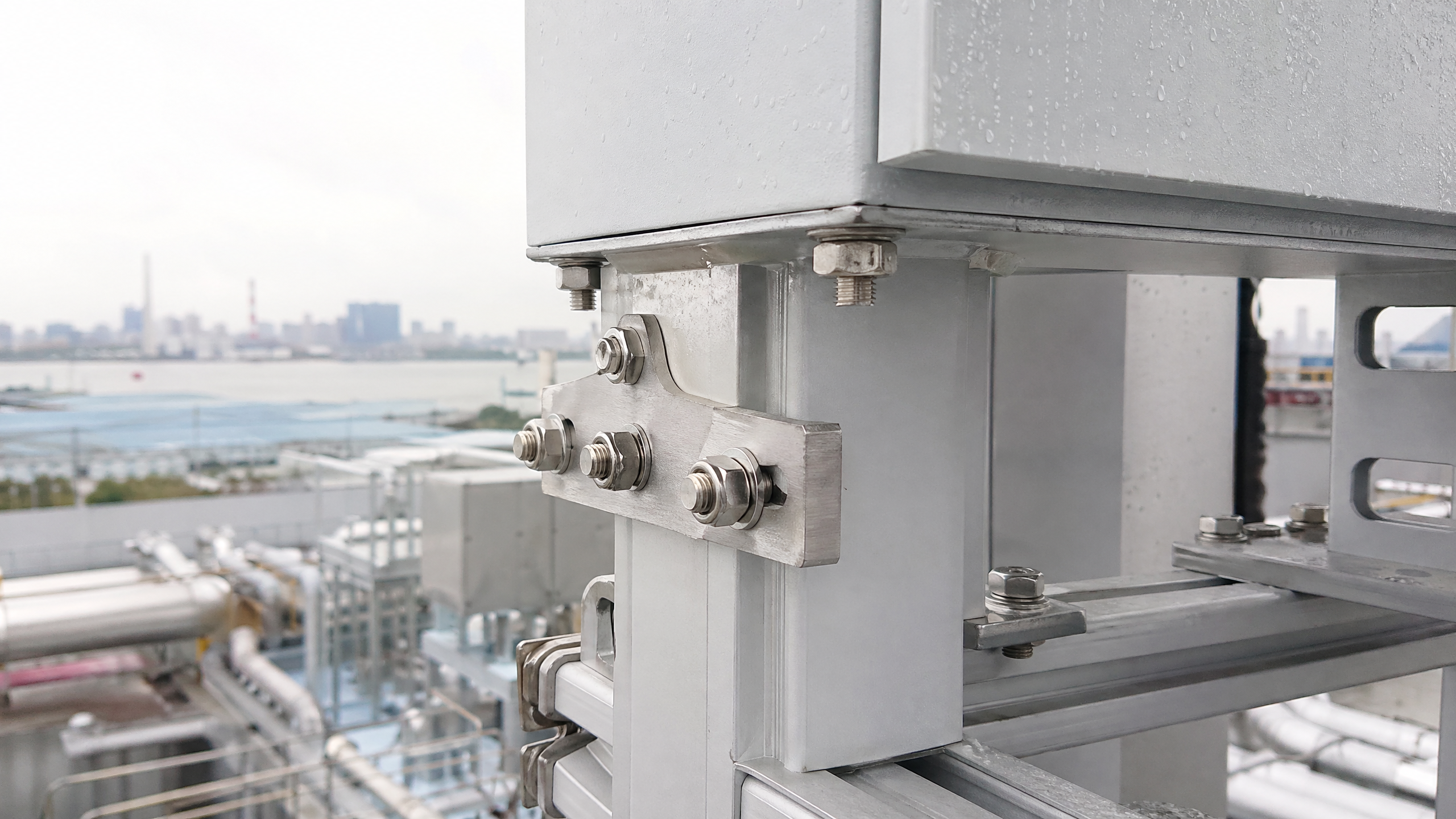
Stainless fasteners are often seen as the default outdoor solution, but the better choice depends on corrosion exposure, load demands, and system design. For professionals in precision engineering, industrial automation, injection molding, die casting, and mold design, this technical analysis explores how material performance, electrical components interaction, and application risk shape smarter fastening decisions.
Why outdoor fastening decisions vary so much by application
In real projects, the question is not whether stainless fasteners are good outdoors, but whether they are suitable for a specific outdoor duty cycle, structural load path, and maintenance expectation. A fastener that performs well on a light-duty enclosure for 5 to 10 years may not be the right choice for a coastal machine frame, a solar mounting rail, or a die-casting line support bracket exposed to moisture, vibration, and washdown chemicals.
This matters across industries because outdoor assemblies now connect mechanical structures, electrical housings, cable management, pneumatic supports, molded polymer covers, and precision metal parts in one system. For OEMs, distributors, and project managers, the fastening decision often affects not only corrosion resistance but also torque retention, galvanic compatibility, inspection frequency, and replacement cost over a 12-month, 36-month, or 120-month service horizon.
A common mistake is to treat stainless steel as a universal upgrade over carbon steel. In some scenes, that assumption is justified. In others, stainless fasteners can introduce thread galling, lower proof strength compared with alloy steel grades, or galvanic risk when paired with aluminum, zinc-coated parts, or mixed-metal electrical cabinets. The better choice outdoors is therefore scenario-based, not label-based.
The first screening questions before material selection
Before choosing any outdoor fastener, technical teams should screen at least four variables: corrosion category, mechanical load, joint accessibility, and contact materials. In practical sourcing and engineering reviews, these four variables usually narrow the decision by 60% to 80% before grade, coating, or thread treatment is discussed. This is especially useful for buyers and technical evaluators comparing stainless steel, hot-dip galvanized steel, zinc-nickel coated steel, or specialty alloys.
- What is the exposure level: rural outdoor air, urban pollution, splash zone, marine chloride, or chemical washdown?
- Is the fastener carrying static load, cyclic load, shock load, or alignment-critical load?
- Can the joint be inspected every 6 to 12 months, or is it expected to stay untouched for 3 to 5 years?
- Are the connected parts stainless, aluminum, coated carbon steel, molded plastic, or electrical conductive components?
For GHTN readers involved in industrial components and manufacturing systems, this scenario-first approach aligns better with real field conditions than a simple stainless-versus-non-stainless comparison. It helps procurement avoid over-specification and helps quality teams prevent underperformance in critical outdoor assemblies.
Typical outdoor scenarios: where stainless fasteners fit well and where caution is needed
The most reliable way to judge stainless fasteners is to examine typical use cases. Outdoor fastening needs vary significantly between low-load public installations, industrial equipment supports, and electrically sensitive enclosures. The table below compares several common scenarios that purchasing teams, equipment designers, and distributors frequently encounter.
The pattern is clear: stainless fasteners perform best where corrosion is the dominant failure mode and structural demands remain within the material’s strength and assembly limits. Once the joint enters high-vibration, high-clamp-load, or mixed-metal service, the decision becomes more nuanced and often requires a combined materials and design review.
Scenario 1: General outdoor hardware and low-maintenance installations
For public infrastructure accessories, outdoor covers, cable tray lids, architectural fixtures, and low-load supports, stainless fasteners are often a practical choice. In these scenes, the main value comes from appearance retention and lower red-rust risk over 2 to 8 years of routine exposure. Maintenance teams also prefer them when replacement access is difficult or cosmetic staining is unacceptable.
However, even in relatively mild outdoor settings, all stainless is not identical. Buyers should distinguish between inland low-chloride exposure and polluted or coastal air. A low-cost stainless option may perform adequately in a suburban utility box but show tea staining or localized attack sooner in a marine district. That is why service environment mapping should be done before a distributor standardizes one material across all regions.
For molded plastic housings, light sheet metal parts, and non-critical brackets, stainless fasteners can also reduce concerns about coating damage during assembly. If the joint is opened once or twice per year for maintenance, installers should still manage lubrication and torque control, because thread seizure remains possible even on light-duty joints.
Scenario 2: Coastal, wet, or chemically stressed outdoor systems
In marine, near-shore, wastewater-adjacent, and washdown-prone areas, stainless fasteners are often selected because standard zinc coatings may degrade too quickly. These applications include rooftop HVAC frames, port-side control cabinets, pumping skids, wastewater instrumentation mounts, and exposed outdoor processing supports. In such cases, the expected service interval may need to extend beyond 5 years with only periodic visual inspection.
Yet this is also where wrong stainless selection causes disappointment. Chloride-rich environments can trigger pitting and crevice corrosion, especially where washers trap moisture, joints remain wet for more than 24 to 48 hours, or contaminants accumulate in tight gaps. Engineers should therefore review grade choice, water drainage, washer geometry, and joint sealing together rather than relying only on the word stainless.
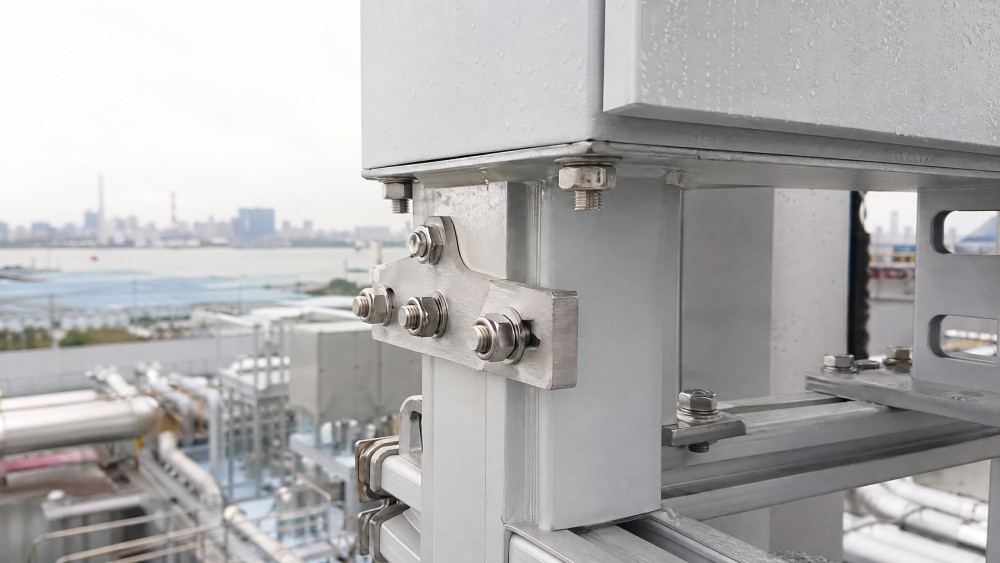
Another issue is galvanic interaction. If stainless fasteners are installed into aluminum rails, die-cast housings, or coated steel panels, the assembly can create localized corrosion cells under wet conditions. Isolation washers, compatible coatings, or redesigned contact interfaces may be needed. This is especially relevant in solar mounting, telecom outdoor cabinets, and electrical component supports where multi-material assemblies are standard.
Scenario 3: High-load machinery, automation structures, and precision frames
For industrial automation lines, outdoor machine skids, mobile equipment frames, and structural mounts supporting vibration, impact, or alignment-sensitive equipment, corrosion resistance is only one part of the decision. The joint may need to retain preload over thousands of cycles, support heavier static loads, or maintain positional accuracy within a narrow tolerance window. In these scenes, stainless fasteners are not automatically the better choice.
Some stainless grades used in commercial fasteners offer lower strength than high-tensile carbon or alloy steel alternatives. If a project requires high clamp load, repeated torque service, or strong resistance to loosening, engineers may prefer coated high-strength steel combined with environmental shielding, sealing, or replacement planning. For some applications, a 12-month inspection schedule is more economical than selecting a more corrosion-resistant but mechanically less suitable fastener.
This is especially relevant to mold handling fixtures, die-casting support frames, outdoor auxiliary equipment, and precision tool transport systems. In such assemblies, joint slip or preload loss can be more damaging than cosmetic corrosion. The cost of one misalignment event may exceed the cost difference between several fastening material options over the project lifecycle.
How material, load, and connected components change the decision
Outdoor fastener selection becomes more accurate when the team evaluates the joint as a system. Material choice must be cross-checked against strength level, thread engagement, washer design, thermal movement, and neighboring components. This system view is important in cross-sector applications where mechanical hardware, electrical components, molded parts, and protective coatings meet in the same assembly.
The table below summarizes common decision factors for engineers, purchasers, and quality managers. It is useful in RFQ screening, supplier comparison, and design-for-maintenance reviews when the project includes outdoor exposure plus at least one technical constraint such as dissimilar metals, high load, or long service life.
This comparison shows why the “better choice” often depends on what is being optimized. If the project objective is corrosion resistance with low field intervention, stainless fasteners may lead. If the priority is maximum preload, low initial cost, or compatibility with a specific strength class, another fastener system may be more appropriate.
Electrical and control assemblies need special attention
Outdoor electrical enclosures, junction boxes, grounding brackets, and cable support structures deserve separate review because the fastener can influence both corrosion behavior and electrical continuity. In these assemblies, stainless fasteners may improve resistance to weathering, but they may also affect grounding contact quality if oxide films, coatings, or insulating separators are not considered in the joint design.
For installers and safety managers, one practical rule is to distinguish between structural fastening and conductive bonding points. The same bolt specification should not always be used for both tasks. If the project includes outdoor control cabinets, electrical hubs, sensor supports, or communication hardware, the fastening review should include contact surface preparation, sealing washers, and periodic verification intervals such as every 6 or 12 months.
This point matters across the broader hardware and tooling network because modern installations increasingly combine steel frames, aluminum housings, injection-molded covers, and electrical modules in one package. A fastener selected only for corrosion resistance can still create field issues if system conductivity, joint creep, or moisture trapping is ignored.
Precision manufacturing and molded-part interfaces
In precision manufacturing equipment, stainless fasteners are frequently used around covers, guards, cable brackets, and corrosion-prone accessories, while high-strength alternatives may remain necessary at tooling support points. For injection-molded or die-cast components, the fastener decision must also consider insert material, thread-forming behavior, and thermal expansion mismatch. Outdoor temperature swings of 20°C to 40°C can noticeably change clamp conditions in mixed-material joints.
Where molded polymer parts are involved, stainless fasteners can be useful because surface corrosion products are less likely to stain or degrade visible surfaces. But over-tightening remains a risk, especially when the joint is serviced repeatedly. Operators should use controlled torque ranges and suitable washers to spread the load and reduce creep in polymer-supported joints.
Common outdoor misjudgments and how to avoid them
Many outdoor fastening failures are not caused by using the wrong metal alone. They result from an incomplete decision process. Procurement may specify stainless fasteners to avoid rust claims, while engineering assumes the same part will also satisfy preload and fatigue demands. Quality teams then discover loosening, galling, or galvanic marks during service. The correction is to evaluate the joint by failure mode, not by material name.
Another recurring error is overlooking installation practice. Stainless fasteners can seize during assembly, especially in threaded stainless-to-stainless connections, high-speed power tool installation, or dry assembly without suitable anti-seize or lubrication control. A technically correct material choice can still fail on day one if assembly speed, torque tool settings, and thread condition are not managed.
A third misjudgment is assuming outdoor exposure is uniform across the asset. In reality, top-facing joints, splash-zone corners, shaded crevices, and drainage points can experience very different moisture retention times. Two bolts on the same machine may see dramatically different corrosion rates over 18 to 36 months. Site-specific positioning matters, especially for projects near the coast or in industrial pollution corridors.
A practical review checklist for teams
To reduce misapplication, project teams can use a short pre-approval checklist before locking the fastener specification. This is valuable for OEMs, contract manufacturers, maintenance planners, and distributors preparing multi-region stock programs.
- Define the outdoor exposure level and expected service interval in months or years.
- Confirm whether the joint is cosmetic, structural, conductive, sealing-related, or alignment-critical.
- Check the connected materials for galvanic compatibility and trapped-moisture risk.
- Verify load type: static, cyclic, impact, or thermal movement driven.
- Review installation method, torque control, lubrication practice, and maintenance accessibility.
- Decide whether lifecycle cost or lowest initial purchase price is the primary target.
Teams that follow these 6 steps usually make more balanced decisions than teams selecting by habit alone. This approach also improves communication between technical evaluators and commercial decision-makers, because it links specification choice to risk, maintenance, and cost instead of to generic assumptions.
How to choose the right outdoor fastener strategy for your project
The best outdoor fastener strategy is often a tiered one rather than a single-material policy. Many organizations benefit from classifying applications into at least three levels: standard outdoor, corrosive outdoor, and high-load critical outdoor. This avoids both under-specification and unnecessary inventory complexity. In practice, 3 to 5 approved fastening families can cover a large share of outdoor industrial needs.
For standard outdoor installations with moderate humidity and easy access, stainless fasteners may be the preferred default where appearance and corrosion resistance matter. For aggressive wet or coastal locations, stainless may remain suitable but should be reviewed together with drainage design, washer selection, and mixed-metal isolation. For high-load or dynamic assemblies, the decision should start from strength and preload retention, then move outward to environmental protection.
This layered method is useful for companies operating across hardware, electrical, tooling, and mold-related sectors. It supports better sourcing discipline, easier documentation, and more accurate field performance expectations. It also helps distributors build recommendation logic for different customer profiles instead of promoting one blanket answer for every outdoor job.
Why choose us for fastening and industrial component insight
GHTN connects precision manufacturing knowledge with practical industrial decision-making. We focus on the underlying logic of components, from fastener behavior in extreme environments to the interaction between electrical systems, mold-based parts, tooling structures, and automation hardware. That makes our perspective useful not only for product users, but also for sourcing teams, distributors, quality managers, and project leaders comparing technical and commercial trade-offs.
If you are evaluating whether stainless fasteners are truly the better outdoor choice for your application, we can help you clarify the variables that matter most. You can reach out to discuss parameter confirmation, material selection paths, expected delivery windows, application-based customization, certification-related requirements, sample support, or quotation planning for different outdoor service scenarios.
Whether your project involves outdoor electrical housings, automation supports, molded assemblies, die-cast parts, or general industrial hardware, contact us with your use environment, load conditions, connected materials, and maintenance targets. A scenario-based review now can prevent costly fastening mismatches later.
Related News