
FES 2026 Opens in Shanghai as Overseas Buyer Interest Builds

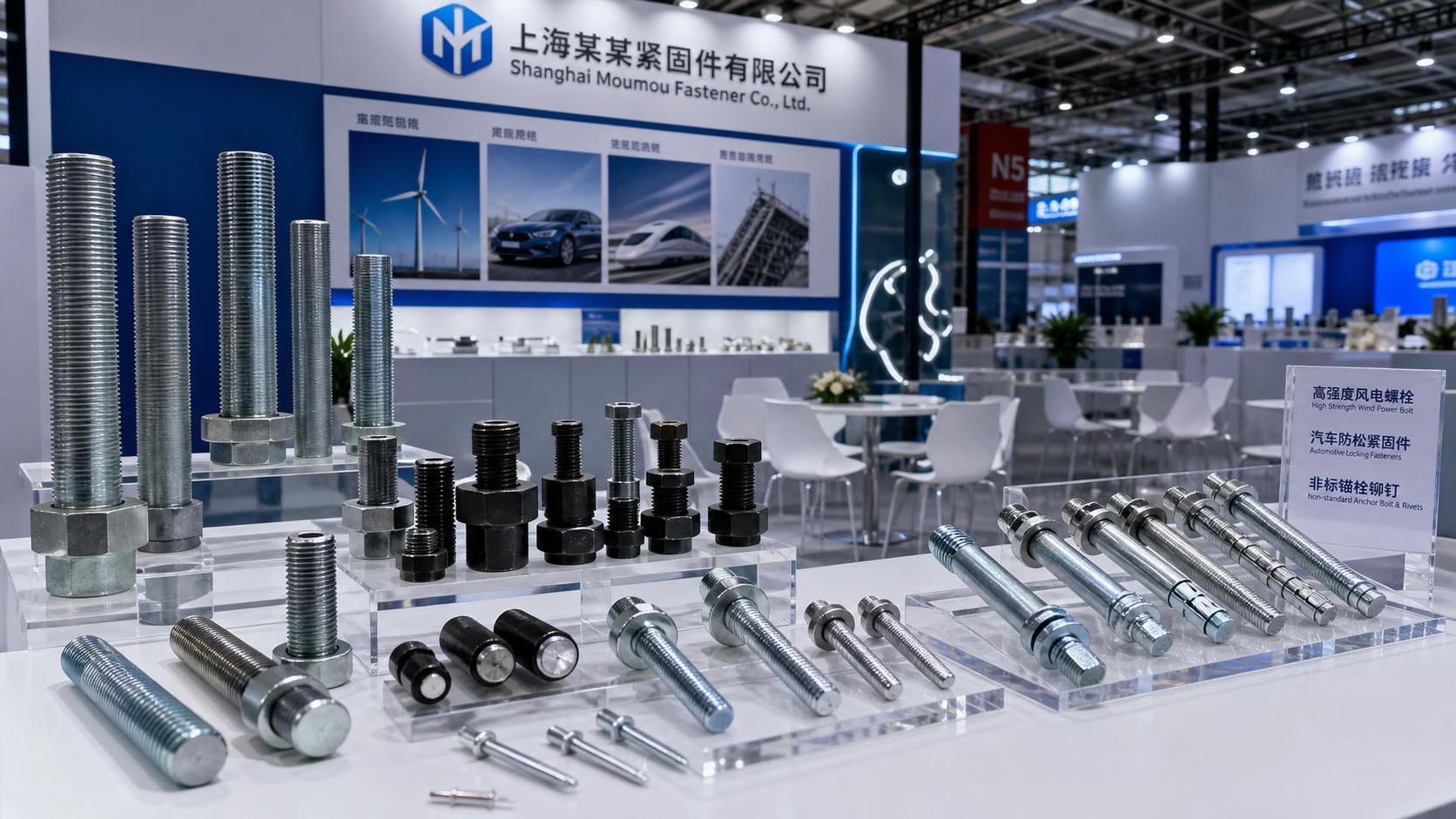
On June 24, 2026, the 16th Fastener Expo Shanghai (FES 2026) opens for a three-day run at the National Exhibition and Convention Center in Shanghai. For the fastener trade, manufacturing, and sourcing community, the notable point is not only the event itself but the fact that more than 1,500 overseas buyers have pre-registered, with demand signals coming from Russia, Turkey, and the UAE and focusing on high-strength wind power bolts, automotive anti-loosening fasteners, and non-standard Anchor and Rivet solutions.
What has been confirmed for the Shanghai event
According to the information provided, FES 2026 is scheduled for June 24–26 at the National Exhibition and Convention Center in Shanghai. More than 1,500 overseas buyers have completed pre-registration. The stated overseas demand coverage includes Russia, Turkey, and the UAE. The reported procurement focus is concentrated on three areas: high-strength wind power bolts, automotive anti-loosening fasteners, and non-standard customized Anchor and Rivet solutions. The event will also include a B2B international buyer matchmaking session and an anti-loosening technology validation competition.
Where the immediate industry attention may fall
Export-facing suppliers may see clearer demand testing
From an industry perspective, exporters and trading companies are likely to watch this event as a direct test of buyer intent in specific overseas markets. The reason is straightforward: the pre-registered buyer base is already linked to named emerging markets, and the demand categories are not broad but product-specific. What deserves closer attention is whether supplier conversations shift from general catalog exposure to concrete discussions around product fit, customization, and delivery readiness.
Manufacturers focused on technical fasteners may feel the strongest pull
Processing and manufacturing companies involved in wind power bolts, anti-loosening automotive products, and non-standard fastening solutions may be the most directly affected participants. Analysis shows that the impact is less about overall exhibition traffic and more about whether these product groups receive concentrated sourcing attention. For these companies, the business impact would mainly appear in quotation preparation, technical communication, and sample or specification alignment.
Supply chain and service providers should watch execution details
Supply chain service providers, including those supporting buyer-seller coordination, may also be affected if matchmaking activity leads to follow-up inquiries. Observably, the presence of a B2B international buyer matching format means the exhibition is not only a display venue but also a structured contact point. The practical implication is that service responsiveness, document readiness, and communication efficiency may matter more than broad promotional visibility.
What companies should pay closer attention to now
Product focus should stay tied to stated demand
Companies preparing for this event should keep their attention on the demand areas already identified in the event information rather than assuming wider category spillover. In practical terms, businesses involved in high-strength wind power bolts, automotive anti-loosening fasteners, and non-standard Anchor or Rivet solutions have a clearer reason to prepare targeted technical and commercial materials.
Market communication needs to match buyer geography
Because the pre-registered overseas buyer base includes Russia, Turkey, and the UAE, firms engaging at the show may need to pay close attention to how they present specifications, customization capabilities, and commercial terms to buyers from these markets. Analysis shows that the key issue is not simply meeting overseas buyers, but reducing friction in product communication and requirement matching during the first contact stage.
Matchmaking and validation formats deserve practical preparation
The event setup matters as much as the visitor list. The B2B buyer matchmaking session suggests a need for concise qualification materials and fast response capability, while the anti-loosening technology validation competition may draw extra attention to product performance communication in that specific segment. Companies active in anti-loosening applications should therefore pay attention to how technical claims are presented and discussed on site.
Follow-up discipline may matter more than booth traffic
What deserves closer attention is the post-meeting workflow. If buyer interest is concentrated in a few technical categories, then timely follow-up, requirement clarification, and fulfillment planning could become more important than the absolute number of exhibition contacts. For sourcing, sales, and account teams, this is a practical rather than symbolic consideration.
How this signal should be read at this stage
Observably, this development is best read as a demand signal rather than a confirmed market outcome. The number of pre-registered overseas buyers and the clarity of stated procurement interests indicate that cross-border sourcing attention is present around several technical fastener categories. However, the current information does not by itself confirm transaction volume, order conversion, or longer-term purchasing continuity. It is more appropriate to understand this as an early indicator of where buyer conversations are concentrating during this exhibition cycle.
Why the market will keep watching this event
For the fastener industry, the significance of this update lies in the combination of identifiable overseas buyer interest, named target markets, and clearly defined product demand. That makes the event relevant not only as a trade fair calendar item but also as a near-term checkpoint for export-oriented fastener categories. A neutral reading is that the development points to active commercial engagement opportunities, while the deeper business impact still depends on how matchmaking, technical validation, and post-show follow-up actually unfold.
Basis of this article and points for continued verification
This article is based on the user-provided news title, event date, and event summary. For industry reporting of this kind, source types usually relevant to verification may include official event announcements, company statements, industry association updates, authoritative media reports, and technical or standards-related documents. A specific official source link was not provided in the input, so further verification is still needed. The next points worth tracking are whether the stated buyer demand remains concentrated in the same product categories during the event and how the B2B matchmaking and anti-loosening validation formats translate into actionable business follow-up.
Related News