
Guinea Tightens Bauxite Exports From June

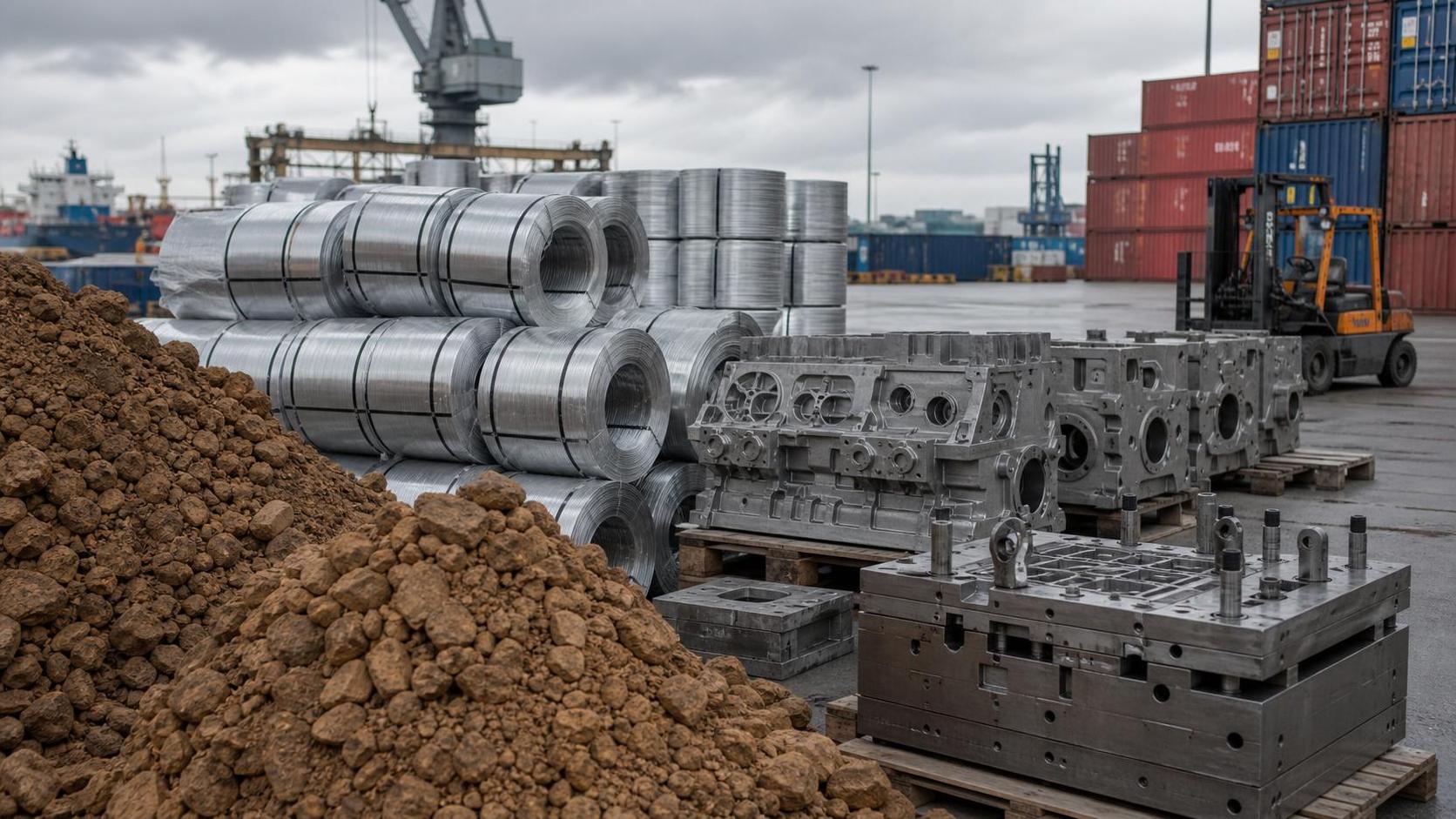
On June 1, 2026, Guinea is set to formally introduce export control measures on bauxite, a policy change that matters well beyond raw ore trade. Based on the information provided, the move is intended to reverse price weakness and is expected to raise import costs for aluminum alloy wire, recycled aluminum used in die casting, and mold base materials in China. For exporters and manufacturers linked to Bolts & Screws, Die Casting, and Injection Molds, the issue is not only material cost but also the potential effect on quotation cycles, procurement timing, and delivery stability.
What Has Been Confirmed So Far
The confirmed facts are limited but commercially important. Guinea, identified in the provided information as accounting for more than one-third of global bauxite output, will formally implement bauxite export control measures in June 2026. The stated purpose is to reverse price weakness. The same information indicates that the change will directly increase import costs for aluminum alloy wire, recycled aluminum for die casting, and mold base materials used in China.
The reported impact extends to export categories that depend on aluminum-based materials, including Bolts & Screws, Die Casting, and Injection Molds. At the confirmed-fact level, the key point is that the rule change affects upstream raw material availability and cost, with downstream implications for delivery stability and pricing rhythm in related export businesses.
Where the Pressure May Appear First
Raw material buying may face tighter planning requirements
From an industry perspective, import-oriented procurement teams are likely to feel the impact early because the reported change directly concerns bauxite export controls and the resulting cost pressure on aluminum-related inputs. The business effect may show up in supplier negotiations, purchase timing, and the review of material substitution options. What deserves closer attention is whether procurement files, technical material descriptions, and internal sourcing approvals need updating to reflect any change in origin, grade, or cost assumptions.
Manufacturing schedules may become more sensitive to material lead times
For processors and manufacturers serving Bolts & Screws, Die Casting, and Injection Molds, the concern is not limited to higher input costs. Analysis shows that delivery planning can become more exposed when upstream aluminum-based materials become harder to price or secure on a stable schedule. In practice, this may affect production sequencing, quotation validity periods, and contract discussions tied to material-linked lead times.
Export-facing teams may need closer control of quotations and commitments
Export businesses connected to aluminum-based finished or semi-finished goods may need to review how they manage price offers, shipment windows, and technical commitments. Observably, when a raw material rule change affects import costs, the pressure can move into customer-facing documents such as quotations, delivery promises, and tender responses. Companies in this position should pay attention to whether product specifications, raw material statements, and supply assumptions remain aligned with actual sourcing conditions.
Supply chain service providers may see more document and timing checks
Supply chain and trade service participants may also need to monitor changes in documentation flow and execution timing. Although the provided information does not include detailed implementation rules, it is reasonable to note that any export control measure on a major raw material can increase the importance of document consistency, cargo planning, and communication across procurement, logistics, and customer service teams.
What Companies Should Watch Next
Track how the control measure is defined in practice
Analysis shows that the most immediate priority is not to assume details that have not yet been provided. Companies should closely monitor how the export control measure is described in official wording, because execution scope and procedural requirements often determine the real effect on trade and procurement decisions.
Review material-linked quotation and contract language
Businesses exposed to aluminum alloy wire, recycled aluminum for die casting, or mold base materials should check whether quotation periods, cost pass-through terms, and delivery clauses remain workable under a less predictable raw material environment. This is especially relevant where export orders depend on stable pricing windows or tightly scheduled deliveries.
Recheck technical and sourcing documentation
What deserves closer attention is whether technical files, purchasing specifications, supplier qualification records, and quality traceability documents are robust enough if sourcing arrangements change. If alternative supply channels or adjusted material plans are considered, documentation consistency may become an operational issue as much as a purchasing one.
Watch tender and customer requirement changes
For companies serving contract manufacturing or export programs, it is also prudent to monitor whether customers revise tender files, material requirements, or delivery expectations in response to input cost pressure. The provided information does not confirm that such changes have already occurred, so this should be treated as a practical watchpoint rather than an established outcome.
How This Signal Should Be Read
Observably, this development is more than a commodity price story because it points to a rule-based change in export conditions for a globally important raw material. Analysis shows that the industry should read it as an execution signal with direct relevance to procurement and delivery management, while still recognizing that the full business effect depends on how the measure is implemented and interpreted in practice.
It is more appropriate to understand this as a confirmed policy direction with downstream commercial implications, rather than as a fully settled operating framework. That distinction matters because companies may need to act on risk monitoring before they have complete detail on enforcement, documentation, or market adjustment speed.
A Practical Reading for the Market
At this stage, the event is best understood as a concrete rule change with clear implications for aluminum-based supply chains, especially where export products depend on stable access to alloy wire, recycled aluminum inputs, or mold base materials. The confirmed information supports attention to procurement cost, quotation management, and delivery reliability, but it does not justify firm conclusions about the final scale of disruption.
A rational industry reading is that this is neither a routine headline nor a fully measurable outcome yet. It is a policy development that already matters operationally, while the market still needs to watch how implementation details, customer reactions, and supply chain adjustments unfold.
Basis of This Article
This article is generated from the user-provided news title, event date, and event summary. No specific official source link was provided in the input, so the precise official source link remains unconfirmed and requires continued verification.
For developments of this kind, relevant source types usually include official announcements, regulator publications, customs or trade authority information, industry association updates, standard-setting documents, and reporting by authoritative media. Further observation is still needed on implementation details, interpretive guidance, procurement and tender document changes, market feedback, and how affected companies carry the change into actual execution.
Related News