
Japan Opens Hot-Rolled Steel Dumping Probe

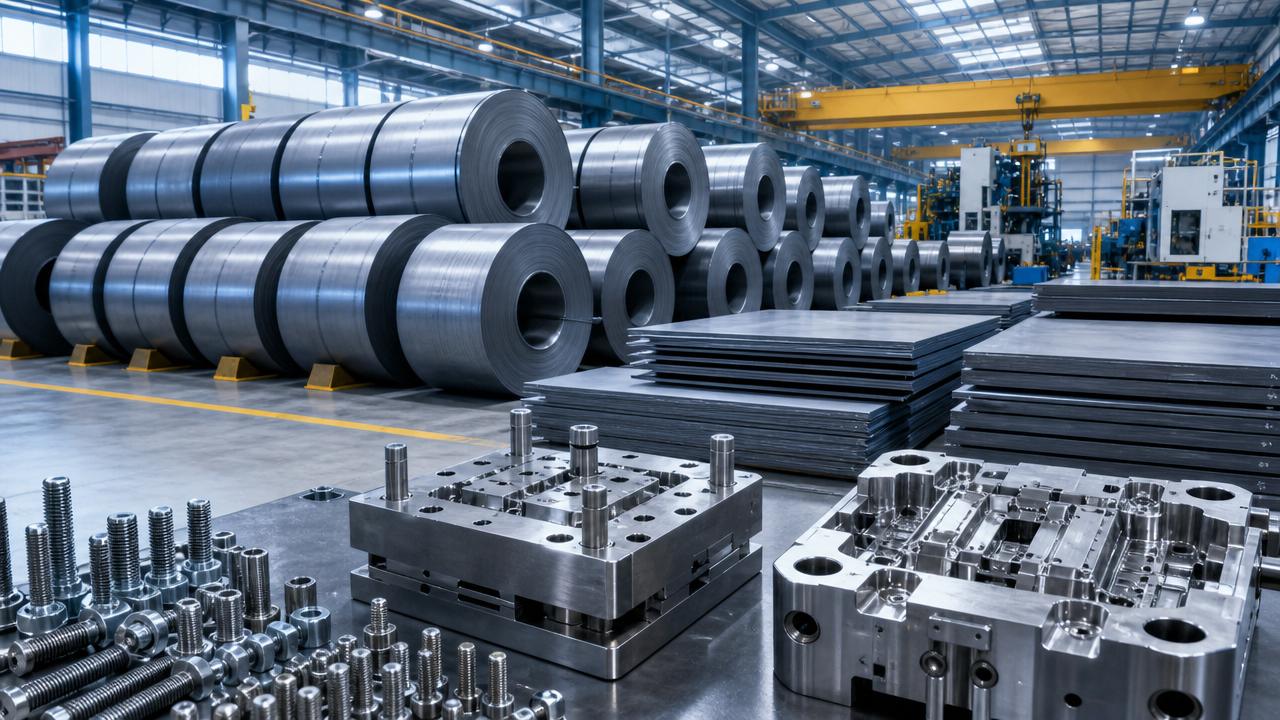
On June 1, 2026, Japan formally opened an anti-dumping investigation into hot-rolled steel products from mainland China, Taiwan, and South Korea. Because this material is widely used in Bolts & Screws, Injection Molds, Die Casting, and Stamping, the move deserves close attention not only as a trade-rule development but also as a potential source of cost, quotation, and delivery pressure for buyers in Japan and supply-chain partners across Asia.
What Has Been Confirmed So Far
The confirmed facts are limited but commercially important. Japan initiated the investigation on June 1, 2026, following a joint application by four major Japanese steel producers led by Nippon Steel. The products under review are hot-rolled steel products from mainland China, Taiwan, and South Korea. The event matters to industrial users because the material is used across multiple manufacturing stages, including fasteners, mold making, die casting, and stamping. The provided summary also makes clear that, if the final ruling supports additional duties, downstream raw-material costs may rise and pricing and lead-time stability may come under pressure for Japanese buyers and Asian supporting suppliers.
Where the Pressure Could Appear First
Procurement teams exposed to Japanese sourcing
From an industry perspective, procurement teams that buy for Japan-facing production may be among the first to feel the impact of this investigation. Their exposure is not limited to steel purchasing itself; it also extends to quotation validity, supplier negotiation, and the timing of purchase decisions. What deserves closer attention is whether internal sourcing plans, contract terms, and cost assumptions remain workable if trade measures advance further.
Manufacturers using steel in fasteners and tooling
Manufacturers involved in Bolts & Screws, Injection Molds, Die Casting, and Stamping may face pressure at the production-planning level. Analysis shows that any shift in hot-rolled steel pricing can flow into part costing, tooling budgets, and replenishment schedules. For these companies, the practical issue is less about the investigation headline itself and more about whether procurement, production, and customer quotation cycles can stay aligned if input costs become less predictable.
Exporters and supply-chain partners serving Japanese customers
For exporters and supporting suppliers connected to Japanese demand, the key concern is delivery and quotation stability. Observably, even before any final ruling, customers may begin asking more questions about source exposure, pricing assumptions, and supply continuity. This makes document readiness, shipment planning, and customer communication more important in ongoing business discussions.
Channel and service participants around industrial supply
Distributors, sourcing intermediaries, and other supply-chain service participants may also need to watch for changes in commercial expectations. If buyers become more cautious, the effect may show up in shorter quote windows, tighter review of supplier arrangements, or closer scrutiny of delivery commitments. The relevant change here is not a confirmed market outcome, but a rule-driven increase in commercial uncertainty.
What Companies Should Monitor Now
Review product and sourcing exposure
Companies should first identify whether their products, tooling programs, or customer orders depend on hot-rolled steel connected to the markets named in the investigation. This is a practical screening step for procurement, export, and account teams, especially where Japan-linked supply is involved.
Keep trade and technical documents organized
Analysis shows that companies may benefit from keeping sourcing records, technical specifications, procurement files, quotation assumptions, and related trade documents in order. The current input does not provide execution details, so this should not be treated as a confirmed compliance requirement; however, document readiness is a sensible precaution when trade rules are under review.
Watch customer-facing terms on price and delivery
For businesses already quoting into Japan or supporting Japanese buyers, it is worth checking whether existing offers, lead-time commitments, and material-cost assumptions remain appropriate. What deserves closer attention is not only the raw-material side, but also how downstream contracts handle price changes, validity periods, and delivery expectations.
Track official wording and market follow-through
Because the information provided does not include final measures or detailed implementation rules, companies should continue to watch for official wording, execution standards, and any changes in procurement or tender documents. This remains a monitoring issue rather than a settled operating rule.
Why This Looks More Like a Trade Signal Than a Final Outcome
Observably, this development is best understood as an active trade-rule signal rather than a completed policy outcome. The confirmed fact is the launch of the anti-dumping investigation; the possible cost increase and supply-chain disruption described in the input depend on a future ruling. From an industry perspective, that distinction matters because companies should avoid treating potential tariff effects as already finalized while still preparing for greater pricing and delivery uncertainty.
Analysis also shows that the importance of this case lies in how widely hot-rolled steel is embedded in industrial manufacturing. Even without adding unverified details, the event points to a supply-chain sensitivity that extends beyond primary steel trade into components, tooling, and processing links that depend on stable sourcing conditions.
How the Market May Need to Read This Development
A balanced reading is that this is a meaningful procedural step with clear commercial implications, but not yet a confirmed end-state for the market. It is more appropriate to understand this as a developing trade investigation that may influence procurement behavior, quotation discipline, and supply-chain communication before any final decision is known. For industry participants, the immediate task is to monitor exposure and maintain flexibility rather than assume a fixed outcome.
Basis of This Article and What Still Needs Verification
This article is generated from the user-provided news title, event date, and event summary. For events of this kind, commonly relevant source types include official announcements, regulator releases, customs or trade-administration information, industry association updates, standard-setting documents, and reporting by authoritative media. No specific official source link was provided in the input, so the exact primary reference still requires follow-up verification. What still needs continued observation includes any detailed policy wording, enforcement interpretation, procurement-document changes, market feedback, and how affected companies ultimately adjust pricing, delivery, and sourcing practices.
Related News