
Shanghai Fastener Show Opens June 24 Amid Buyer Compliance Focus

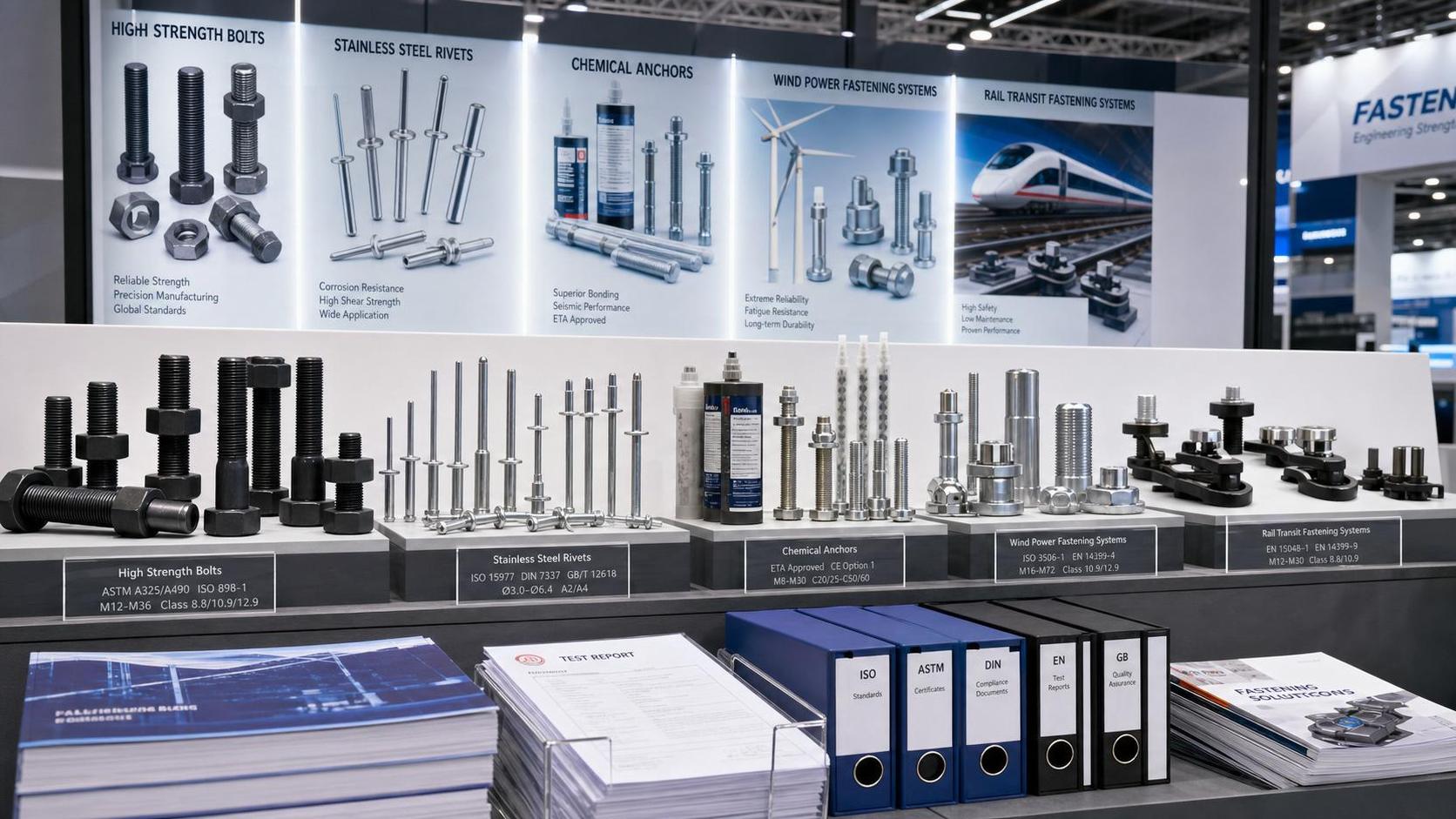
Opening on June 24, 2026, the 24th Shanghai International Fastener Industry Exhibition is drawing strong pre-registered demand from overseas buyers across 32 countries, including Russia, Türkiye, the UAE, India, and Mexico. For the fastener industry, this is not just a trade event update; it signals that cross-border procurement is increasingly tied to specification alignment, product reliability, technical documentation, and market-specific compliance expectations, especially for high-strength bolts, chemical anchors, stainless steel rivets, and fastening systems used in wind power and rail transit applications.
What has been confirmed ahead of the Shanghai event
The exhibition is scheduled for June 24–26, 2026, at the National Exhibition and Convention Center (Shanghai). Confirmed information provided for this event shows that more than 1,500 overseas buyers from 32 countries have completed pre-registration. The identified demand areas include high-strength bolts, chemical anchors, stainless steel rivets, and dedicated fastening systems for wind power and rail transit. The buyer mix specifically includes purchasers from Russia, Türkiye, the UAE, India, and Mexico, indicating active sourcing interest from multiple emerging markets.
Why this matters for trade execution and supply-chain alignment
Export-facing manufacturers may face tighter specification matching
From an industry perspective, suppliers of high-reliability fasteners are the first group likely to feel the effect of this demand pattern. When overseas interest concentrates on high-strength and application-specific products, the practical impact usually falls on technical bid alignment, product grading, material consistency, and the completeness of compliance documents submitted during quotation and order confirmation.
Procurement teams may need earlier document and qualification checks
Buyers and sourcing teams are also likely to face more front-loaded review work. Analysis shows that where demand is tied to wind power, rail transit, chemical anchoring, or corrosion-resistant fastening applications, purchasing decisions tend to depend not only on price and availability but also on whether suppliers can present test records, specification sheets, traceability materials, and qualification files in a form acceptable to the destination market or project owner.
Trade and delivery service providers may see more compliance-sensitive orders
For trading companies, channel distributors, and supply-chain service providers, the change is less about volume alone and more about order complexity. What deserves closer attention is that multi-country buyer interest can translate into different documentation expectations, shipment review practices, after-sales accountability, and delivery scheduling requirements. In practice, this may affect contract review, packing and labeling coordination, and pre-shipment file preparation.
What companies should watch in the coming order cycle
Check whether technical files are ready for cross-border review
Companies engaging buyers at the exhibition should pay close attention to whether product specifications, inspection records, material descriptions, and application documents are complete and internally consistent. This is especially relevant for products positioned as high-strength, corrosion-resistant, or intended for infrastructure-related use.
Track how buyer requirements are expressed in tenders and inquiries
Observably, the most meaningful changes may not appear first in public statements but in RFQs, bid documents, and supplier qualification requests. Firms should therefore monitor how overseas buyers describe performance thresholds, testing expectations, and acceptable proof of conformity during follow-up negotiations after the event.
Review delivery commitments against product category risk
For fasteners used in wind power, rail transit, or other reliability-sensitive applications, delivery promises may become more closely tied to inspection timing, batch control, and document release. Companies should be cautious about confirming lead times before verifying whether customer review steps could affect shipment readiness.
Prepare for stronger quality traceability expectations
Analysis shows that the combination of emerging-market demand and high-reliability product focus makes traceability a practical issue rather than a formal one. Exporters, distributors, and after-sales teams should therefore watch whether buyers request clearer batch identification, complaint-handling procedures, or post-delivery quality support as part of commercial discussions.
How to read the signal behind the buyer mix
This development is more appropriately understood as an execution signal than as proof of a finalized rule change. The confirmed pre-registration of more than 1,500 overseas buyers, together with demand for application-specific and reliability-sensitive fasteners, suggests that procurement behavior is moving toward stricter technical and compliance screening in actual transactions. At the same time, the available information does not establish a new formal regulation, mandatory certification rule, or unified market requirement. Observably, the more important point for industry participants is to watch how these expectations are translated into documents, supplier screening criteria, and delivery conditions after the exhibition opens.
A practical reading for the fastener sector
For the market, the value of this event lies less in the headline buyer count and more in what the demand structure implies for execution. The current signal points to growing importance of documentation quality, specification discipline, and supply reliability in cross-border fastener trade. It is more appropriate to understand this development as a market-facing compliance and procurement signal that deserves continued monitoring, rather than as a completed policy outcome with fixed rules already in force.
Basis of this article and what still needs verification
This article is generated based on the user-provided news title, event date, and event summary. For events of this type, relevant source categories often include official event announcements, regulatory releases, customs or trade authority information, industry association updates, standards organization documents, and reporting from authoritative trade media. No specific official source link was provided in the input, so the exact official reference path remains to be verified. What still needs continued observation includes any later compliance wording used by buyers, certification review practices, changes in tender documents, supplier qualification criteria, industry feedback, and how companies ultimately execute delivery and after-sales requirements.
Related News