
Shanghai Fastener Show Opens With 1,500+ Overseas Buyers

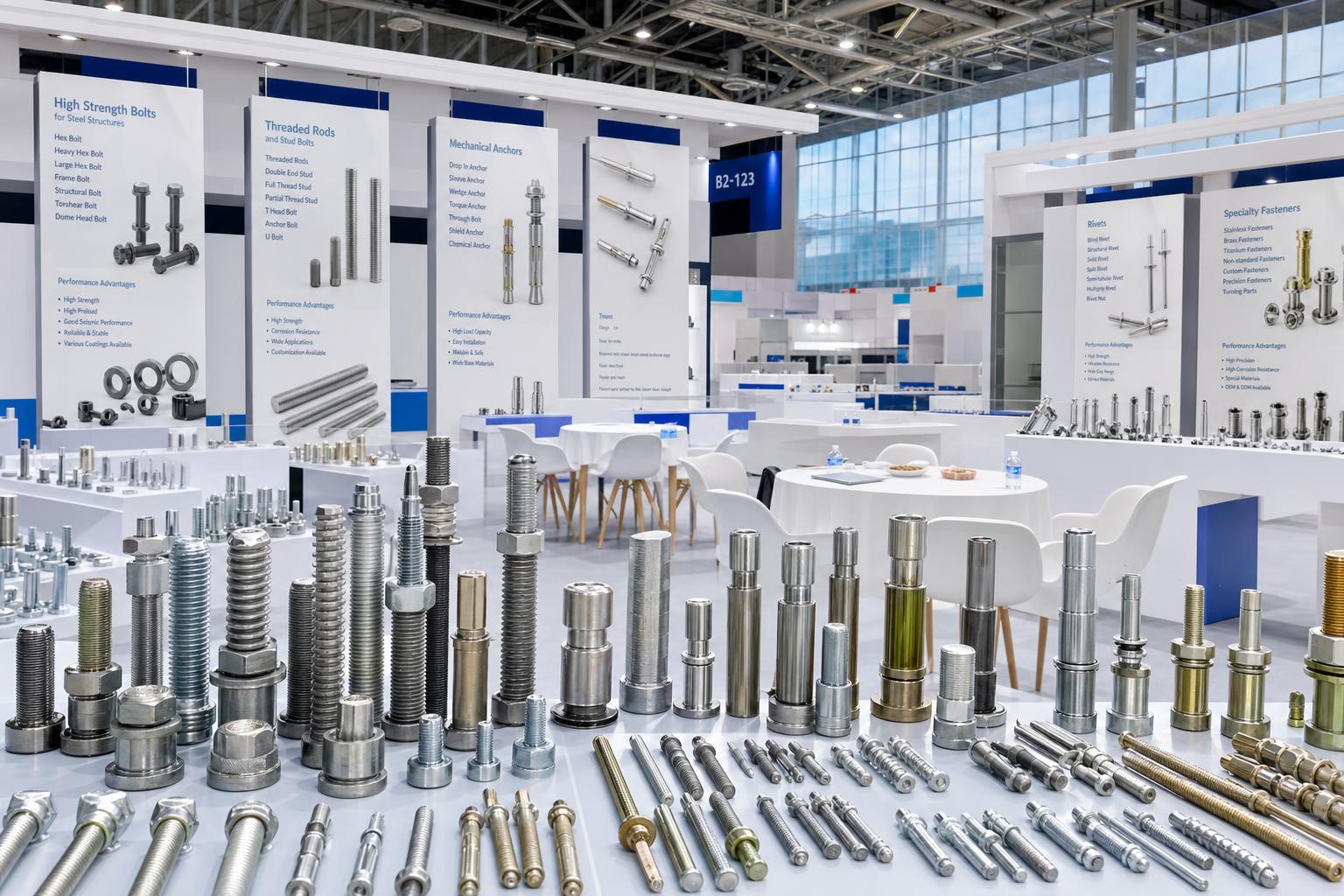
On June 24, 2026, the 16th Shanghai Fastener Professional Exhibition opened against a trade environment in which buyer access, technical specifications, product traceability, and delivery readiness are becoming more central to cross-border fastener business. The pre-registration of more than 1,500 overseas buyers, including demand linked to Russia, Türkiye, the UAE, India, and Mexico, deserves attention not only as an exhibition update but also as a practical signal for exporters, manufacturers, distributors, and procurement teams that market entry requirements, documentation quality, and specification alignment may carry greater weight in current deal-making.
What Has Been Confirmed at the Shanghai Event
The exhibition runs from June 24 to June 26, 2026. According to the provided event summary, more than 1,500 overseas buyers completed pre-registration. The buyer base covers 12 countries, including Russia, Türkiye, the UAE, India, and Mexico. The purchasing focus includes high-strength bolts and screws, anti-loosening anchors, special-alloy rivets, and smart connectors. The event also includes a B2B international buyer matchmaking session on June 24, a forum focused on anti-loosening technology, and a distributor recruitment conference, all positioned as targeted connection channels for Chinese suppliers.
Why This Matters Across the Transaction Chain
Export-facing manufacturers may face tighter specification alignment
From an industry perspective, manufacturers are likely to feel the impact first because the products highlighted by buyers are not generic low-spec items but categories that often depend on clear performance claims, technical consistency, and application-specific matching. The immediate business effect is likely to appear in quotation preparation, technical document review, sample confirmation, and delivery commitments. What deserves closer attention is whether product descriptions, testing records, and quality files are complete enough to support cross-border procurement discussions without creating ambiguity at the negotiation stage.
Traders and distribution channels need stronger document readiness
For trading companies and channel operators, the event suggests that overseas demand is becoming more structured around product fit rather than simple price discovery. Analysis shows that this can shift pressure toward document control, specification comparison, packing and shipment coordination, and after-sales communication. Where buyers come from multiple markets, suppliers may need to pay closer attention to product identification, contract wording, technical attachments, and any market-specific compliance expectations that could affect order confirmation or downstream resale.
Procurement and supply-chain service providers may see earlier coordination needs
Procurement teams and supply-chain service providers may also be affected because concentrated buyer interest in high-strength, anti-loosening, alloy, and smart connection products can compress response time during matchmaking and follow-up stages. Observably, this makes supplier qualification checks, lead-time assessment, and handover of test reports or technical files more relevant before orders move into execution. The operational pressure is less about a single new rule announced at the exhibition and more about how existing trade and quality requirements are being reflected in live buyer screening behavior.
What Companies Should Watch During Follow-Up
Prepare technical and compliance files before buyer talks deepen
Analysis shows that suppliers targeting the highlighted product groups should review whether core materials for external discussions are ready, including technical descriptions, testing-related records, product specifications, and traceability documents. The event summary does not provide a defined compliance framework for each destination market, so companies should treat this as a prompt to verify requirements rather than assume a uniform standard across all buyers.
Track how procurement language develops after matchmaking
The June 24 B2B buyer matchmaking session is worth watching because procurement language used in these meetings may indicate whether buyers are prioritizing specification matching, qualification review, delivery assurance, or channel development. It is more appropriate to understand this as an execution signal from the market side, not as proof that a new unified trade rule has already taken effect.
Pay attention to category-specific demands signaled by the forum agenda
The inclusion of an anti-loosening technology forum matters for suppliers involved in anchors, bolts, screws, rivets, and connectors because technical discussions often shape how buyers compare products and evaluate substitution risk. Observably, companies should pay attention to whether follow-up inquiries focus more on performance consistency, application safety, or installation conditions, since these issues can affect tender documents, product claims, and post-sale responsibility.
Do not separate sales outreach from delivery capability
For exporters and distributors, buyer interest alone does not remove the need to check production scheduling, shipment planning, and service response capacity. Analysis shows that concentrated international demand can quickly turn into execution pressure if quotations move ahead faster than internal review of specifications, packaging, documentation, and delivery commitments.
How to Read the Signal Behind the Buyer Turnout
Observably, this development is better read as a market-side compliance and execution signal rather than as a standalone policy announcement. The presence of overseas buyers from multiple countries, combined with focused interest in technical fastener categories, suggests that access to cross-border orders may increasingly depend on how well suppliers translate product capability into verifiable documents and commercially usable specifications. At the same time, the available information does not confirm any new regulation, certification rule, or official trade measure tied directly to the exhibition, so further interpretation should remain cautious.
A Practical Reading of the Current Stage
The current significance of the Shanghai event lies in its indication that international procurement for fasteners is placing visible emphasis on targeted categories, structured matching, and technical communication. From an industry perspective, this is more appropriately understood as a practical execution window and a live test of supplier readiness. It does not by itself establish a new mandatory rule, but it does show where compliance attention, document quality, and delivery discipline may matter more in the next round of buyer engagement.
About the Basis of This Article
This article is generated from the user-provided news title, event date, and event summary. The specific official source link was not provided in the input, so it still requires continued verification against later materials such as official event announcements, trade authority information, industry association releases, standard-related documents, regulatory updates, and authoritative media reporting. What still needs observation includes any later clarification on buyer requirements, certification expectations, specification language, tender documentation changes, industry feedback, and how participating companies implement follow-up actions after the exhibition.
Related News