
Die Casting Utilization Reaches 94% as Lead Times Stretch

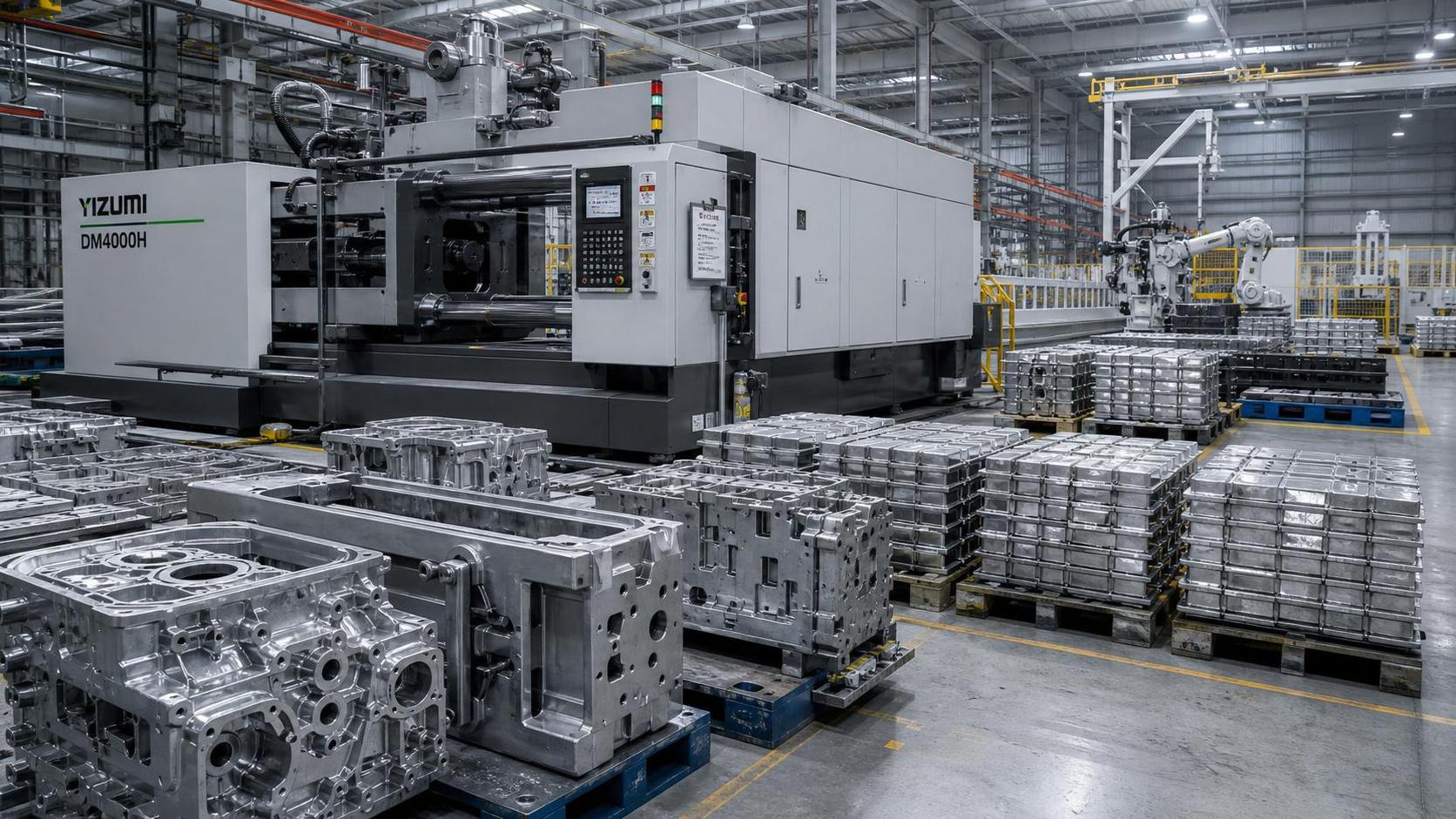
The timing of the underlying market shift is not explicitly stated in the source material, but the latest quarterly report released on July 3 by the International Die Casting Association points to a tighter global supply picture in Q2 2026. Global die casting capacity utilization reached 94%, while supply constraints in aluminum alloy A380 pushed average lead times for die casting parts used in automotive and tooling molds to 22 weeks, up from 14 weeks in Q1. This matters most for buyers of die casting components, tooling-related manufacturers, and supply chain teams that depend on predictable material and part availability.
A tighter supply picture is now visible in Q2 2026
According to the reported figures, global die casting capacity utilization reached 94% in Q2 2026. The report attributes this high utilization level to stronger demand from EV battery housings and injection mold bases.
The same report indicates that supply constraints in aluminum alloy A380 extended average lead times for die casting parts used in molds and tooling to 22 weeks. In Q1, the comparable average lead time was 14 weeks.
The information also makes clear that buyers of die casting components are facing urgent sourcing decisions under these conditions.
Where the pressure is likely to be felt first
Component buyers are dealing with narrower scheduling flexibility
From an industry perspective, buyers are likely to feel the most immediate pressure because the reported change is not only about price or supply availability, but also about delivery timing. A move from 14 to 22 weeks can affect purchasing cycles, supplier allocation decisions, and the sequencing of downstream production plans.
Tooling and mold-related manufacturing faces delivery coordination risk
Analysis shows that manufacturers using die casting parts in molds and tooling may face greater coordination pressure across machining, assembly, and customer delivery milestones. When one input category stretches in lead time, the impact is often concentrated in project timing and production planning rather than in a single transaction alone.
Automotive-linked demand is shaping capacity competition
Observably, the reported demand pull from EV battery housings suggests that automotive-related applications are competing for available die casting capacity. For companies sourcing parts tied to molds, tooling, or adjacent industrial applications, what deserves closer attention is whether capacity access becomes harder even before any broader market normalization appears.
Supply chain service teams may need to manage more exceptions
For sourcing, logistics, and supplier management functions, the reported conditions suggest a higher likelihood of expedited decisions, revised schedules, and more frequent customer-supplier communication. The immediate issue is less about a confirmed structural shortage across all categories and more about managing allocation pressure in affected materials and parts.
Practical issues companies should watch now
Track whether lead times continue to move after Q2
What deserves closer attention is whether the 22-week average remains elevated in subsequent reporting or begins to ease. For procurement and operations teams, that distinction matters because it affects whether current actions should be treated as short-term schedule protection or as a broader reset in sourcing assumptions.
Review exposure to A380-dependent parts
Analysis shows that companies with direct dependence on A380-linked die casting parts for molds and tooling should examine where those parts sit in active orders, open quotations, and production-critical timelines. The issue is not simply material availability in the abstract, but where a constrained alloy intersects with delivery commitments.
Strengthen supplier communication around delivery commitments
For buyers facing urgent sourcing decisions, supplier communication becomes a practical control point. Current attention should center on confirmed production slots, realistic delivery windows, and documentation that supports customer-facing schedule updates where needed.
Separate confirmed facts from planning assumptions
Because the source material confirms high utilization and longer lead times but does not provide wider market detail, companies should distinguish between verified supplier constraints and internal assumptions about future availability. That helps reduce the risk of overreacting in categories not directly covered by the reported information.
Why this reads as a signal, not a final outcome
Observably, this development is significant because it combines two pressure points at once: very high capacity utilization and a longer lead time tied to a named alloy constraint. Analysis shows that this is more than a routine fluctuation in quoting conditions, particularly for businesses close to automotive and tooling demand.
At the same time, it is more appropriate to understand this as an industry signal that requires continued monitoring rather than as a complete picture of the die casting market. The source material confirms a sharp tightening in a specific period and application context, but it does not establish how long the pressure will persist or how broadly it will spread across other materials and product categories.
How the market should read this update
The reported jump to 94% capacity utilization and the extension of lead times to 22 weeks together indicate that sourcing conditions for die casting parts used in automotive and tooling molds have become materially tighter in Q2 2026. For industry participants, the practical meaning lies in schedule risk, supplier coordination, and purchasing urgency rather than in headline numbers alone.
It is more appropriate to understand this update as a near-term operational warning with possible longer-term implications, rather than as a settled structural conclusion. The next phase of industry attention should focus on whether utilization remains elevated, whether A380 constraints persist, and whether lead-time pressure begins to affect a wider set of buying decisions.
Basis of this article and points requiring follow-up
This article is based on the user-provided news title, the stated event timing information, and the supplied event summary. The specific official source link was not provided in the input, so the underlying details still require ongoing verification against source materials such as industry association releases, official statements, company disclosures, authoritative trade media reporting, and related industry documentation where available.
For continued observation, the key follow-up areas are whether later official reporting confirms sustained capacity pressure, whether A380 supply constraints continue to affect mold and tooling-related die casting parts, and whether buyer sourcing behavior changes further in response to the longer lead times already reported.
Related News