
Indonesia Export Controls Slow Die Casting Tool Projects

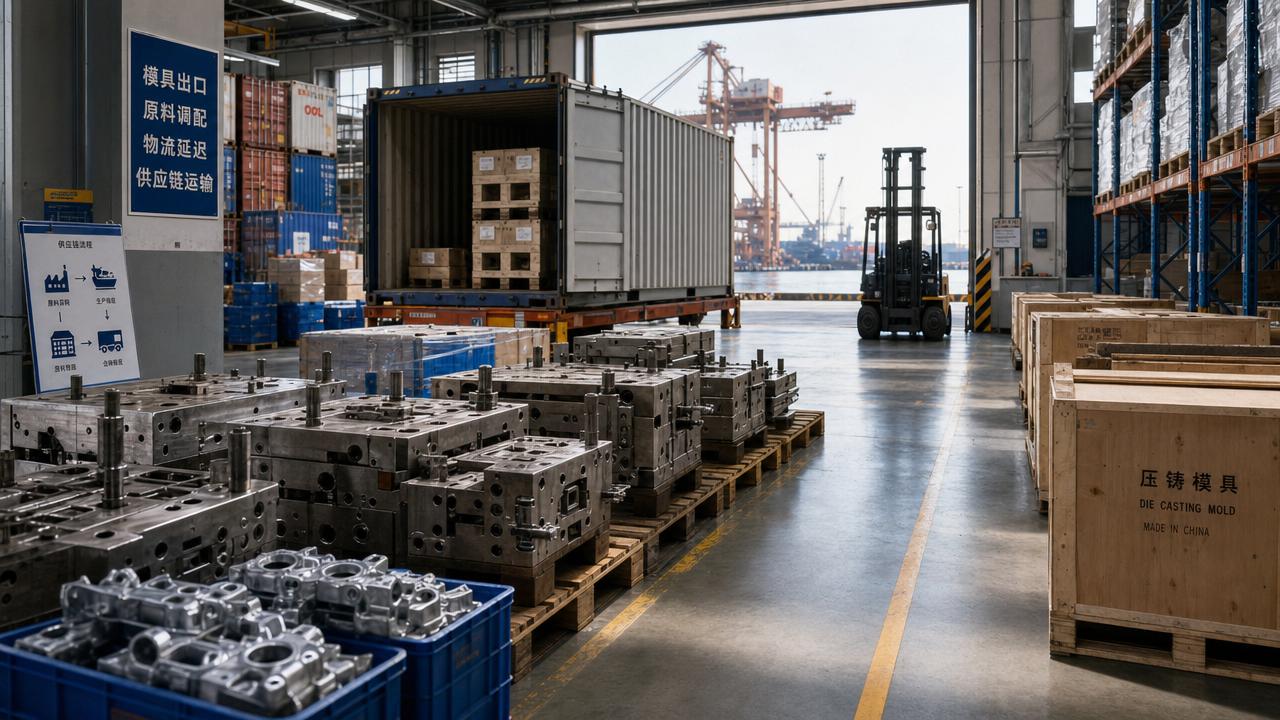
On June 1, 2026, Indonesia began a centralized export control arrangement for palm oil, coal, and ferroalloys, with Danantara Energy designated as the sole export entity and a phased transition running through September. The measure does not directly target aluminum or zinc alloys, yet it has already coincided with delays in raw-material purchasing at local die casting plants and tighter logistics scheduling, which in turn affects delivery timing for Indonesian end-user projects supported by Chinese Die Casting mold suppliers. For companies involved in project execution, procurement coordination, and overseas delivery planning, the development is worth watching as a rule change with indirect but practical supply-chain consequences.
What Has Been Confirmed Since June 1
The confirmed facts are limited but commercially relevant. From June 1, 2026, Indonesia placed palm oil, coal, and ferroalloy exports under centralized control. Danantara Energy was identified as the only export body for these categories, and the transition is set to proceed in stages until full takeover in September. The policy does not directly cover aluminum or zinc alloys. Even so, the change has already been associated with slower raw-material procurement by local die casting factories and tighter logistics allocation, indirectly extending delivery cycles for Indonesian terminal projects linked to Chinese Die Casting mold customers.
Where the Pressure Appears Along the Delivery Chain
Local production schedules are the first area to feel it
From an industry perspective, local die casting plants in Indonesia may be affected not because their core alloy inputs were explicitly added to the control list, but because procurement timing and logistics coordination can tighten when major export flows are brought under a centralized arrangement. The main business impact appears in production scheduling, material readiness, and coordination between plant output and downstream mold-related project milestones.
Chinese mold suppliers face indirect timing risk rather than direct trade restriction
For Chinese Die Casting mold suppliers serving Indonesian end-user projects, the issue is not a newly stated ban on mold exports or alloy imports in the provided information. Analysis shows the more immediate risk lies in project rhythm: when local die casting customers face slower material procurement or logistics congestion, tooling trials, line preparation, acceptance timing, and final delivery coordination may all move later than planned. What deserves closer attention is whether contract schedules, milestone definitions, and delivery commitments still match the local execution pace.
Procurement and supply-chain service teams need closer document and timing control
Supply-chain service providers, project procurement teams, and exporters working around these projects may need to watch for changes in shipping arrangements, order release timing, and supporting documentation requirements connected to the newly centralized export regime. The provided facts do not specify new document formats or certification steps, so it would be inaccurate to treat such changes as confirmed. Even so, businesses should be alert to possible adjustments in cargo planning, customs coordination, and handover timing as the transition proceeds toward September.
What Companies Should Watch During the Transition
Recheck delivery milestones against local plant readiness
Observably, the first practical step is to compare existing project milestones with the actual readiness of Indonesian die casting customers. Where mold shipment, trial production, or line start-up depends on local material availability, companies may need to reassess whether previously agreed delivery windows remain realistic.
Track official wording and execution practice separately
Analysis shows this development should not be read only at the headline level. Companies should distinguish between the confirmed policy framework and the way it is implemented during the phased handover to September. If later official wording, tender documents, customer notices, or trade-processing requirements change, those updates may matter more operationally than the original announcement alone.
Prepare for tighter procurement and logistics coordination
For teams handling overseas projects, what deserves closer attention is coordination discipline. That includes purchase timing, shipment sequencing, customer communication records, and any technical or commercial documents tied to revised delivery expectations. The current information does not confirm a new certification regime for molds or alloys outside the listed sectors, so companies should focus on timing control and compliance review rather than assume broader restrictions.
Keep after-sales and traceability communication ready
If project delivery slips, downstream questions may extend beyond shipment dates to installation support, acceptance planning, and responsibility for schedule changes. From an industry perspective, suppliers should maintain clear records on order status, communication history, and product traceability so that any delay discussion remains evidence-based rather than speculative.
Why This Looks More Like an Execution Signal Than a Final Market Outcome
This section is an editorial observation. It is more appropriate to understand the development as an execution signal from a policy already entering implementation, rather than as a fully settled end-state for all affected supply chains. The confirmed rule change is real and time-bound, but the depth of its spillover into die casting and mold project delivery still depends on how the transition is carried out through September. That is why the market should continue watching for detailed implementation language, operational interpretation, and feedback from companies directly handling procurement and logistics in Indonesia.
How the Industry May Best Read This Development Now
At this stage, the event is best read as a concrete rule change with indirect implications for Die Casting mold project execution, not as proof of a broader direct restriction on all related metalworking trade. The practical significance lies in delivery rhythm, plant coordination, and supply-chain timing. A measured conclusion is that companies with Indonesian project exposure should treat the June-to-September transition period as a live operational variable and continue adjusting plans based on verified execution signals rather than assumptions.
Basis of This Article and What Still Needs Verification
This article is generated from the user-provided news title, event date, and event summary. For developments of this type, commonly relevant source categories may include official announcements, regulator releases, customs or trade authority information, industry association updates, standards-related documents, and reporting by established media. No specific official source link was provided in the input, so the exact official basis still requires ongoing verification. It remains necessary to monitor any later policy details, implementation wording, compliance interpretation, tender-document changes, industry feedback, and company-level execution responses.