
Tool Steel Spike Extends Mold Lead Times

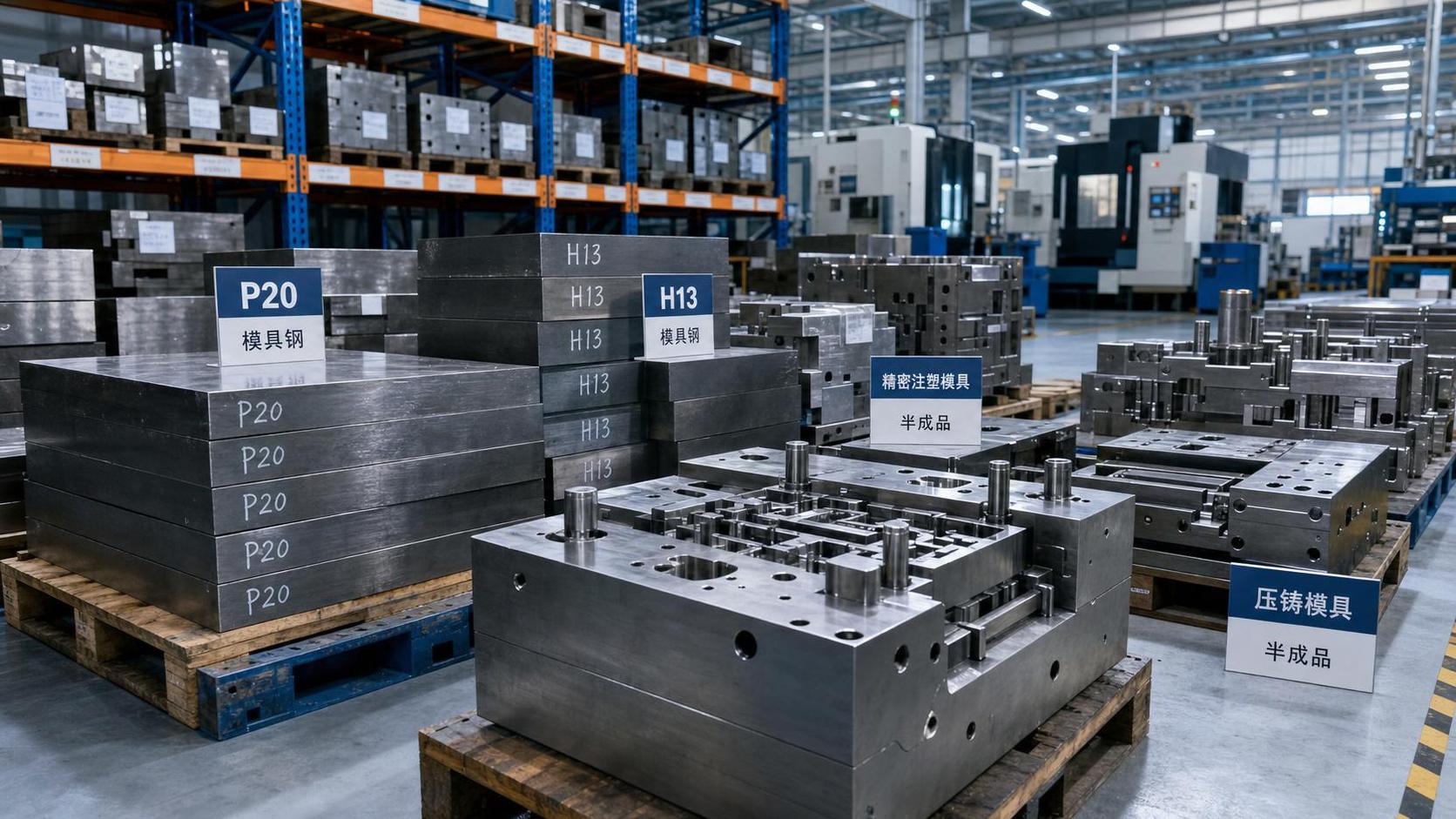
The timing of the underlying market shift is not specified in the source material, but the latest signal is clear: a record rise in the global tool steel index, together with tighter import quotas for some alloy raw materials and European mill maintenance, is now affecting delivery expectations for Die Casting and Injection Molds. For mold makers, buyers, and supply-chain teams, this matters not only as a cost issue but as a trade and procurement constraint that can alter scheduling, documentation review, supplier commitments, and contract execution.
What the published index and supply conditions confirm
According to the Global Tool Steel Index released by the International Mold Industry Association (IMIA) on June 30, 2026, prices for mainstream tool steels including H13 and P20 rose 12.3% in a single month and reached a historical peak. The same source context indicates that European steel mill maintenance and tighter import quotas on some alloy raw materials in China have added pressure to production capacity at manufacturers of Die Casting and Injection Molds.
Against that backdrop, average lead times from mainstream suppliers have extended from 12 weeks to 18 weeks. For some customized and complex mold bases, lead times have reached 24 weeks.
Where the pressure is likely to appear first in business execution
Procurement teams face a narrower planning window
From an industry perspective, buyers of mold steel, mold bases, and finished tooling are likely to feel the impact first because longer lead times change the timing of RFQs, supplier confirmation, and internal approval cycles. What deserves closer attention is whether procurement documents, delivery clauses, and technical schedules still match current supply conditions, especially where quotations were built around shorter lead-time assumptions.
Manufacturers may need tighter control of delivery commitments
For Die Casting and Injection Molds manufacturers, the reported combination of higher steel prices and capacity pressure can affect production sequencing, material allocation, and customer delivery promises. Analysis shows that the main operational risk is not only cost inflation but the mismatch between confirmed orders and available material or machining slots. In practice, this can increase scrutiny around supplier qualification, incoming material records, and milestone-based delivery tracking.
Trading and channel participants may see higher contract execution risk
Distributors, trading companies, and other channel intermediaries may be affected where they commit to price, specification, or shipment timing before upstream supply is fully secured. Observably, longer lead times can turn routine purchasing into a contract-performance issue, particularly when technical specifications for H13, P20, or customized mold structures are fixed early while actual procurement conditions change later.
Downstream buyers may need stronger document alignment
For end users sourcing molds for production programs, the immediate concern is whether technical files, acceptance timing, and after-sales expectations remain realistic under extended lead times. What deserves closer attention is the alignment between purchase orders, technical drawings, change records, and delivery milestones, since longer supply cycles can amplify the impact of any later-stage design or specification revision.
What companies should watch now
Review whether compliance and specification files are current
Analysis shows that companies relying on tool steel grade declarations, technical specifications, or supplier material documentation should check whether existing files still support current sourcing and acceptance requirements. The source material does not provide new certification rules, but the reported supply pressure makes document accuracy more important in procurement and delivery control.
Reassess lead-time assumptions in tenders and contracts
Where bid documents, procurement plans, or customer contracts still reflect a 12-week norm, it is more appropriate to revisit those assumptions rather than treat them as current market practice. This is especially relevant for customized and complex mold-base projects, where the reported lead time has already reached 24 weeks in some cases.
Track changes in supplier capability and raw-material exposure
Observably, supplier risk assessment now needs to include closer attention to raw-material availability, dependency on affected steel inputs, and the supplier's ability to maintain promised production slots. The source material does not define a formal new rule set, but it does point to a change in trade and supply conditions that can affect practical execution.
Prepare for downstream service and traceability questions
Longer delivery cycles can raise follow-up questions on quality traceability, replacement timing, and service commitments if project schedules slip. From an industry perspective, companies should keep technical records, change logs, and supplier correspondence organized, since these documents may become more important if delivery timing or specification compliance is later disputed.
Why this looks more like an execution signal than a standalone price story
Analysis shows that this development should not be read only as a raw-material price event. It also reflects a change in the operating environment for mold procurement and delivery, because steel pricing, import quota tightening, and mill maintenance are now feeding directly into lead-time expansion. It is more appropriate to understand this as an execution signal for procurement discipline and supply-chain risk control, while still recognizing that further market feedback and any later official clarification on trade or import conditions remain worth watching.
How to read the current situation
The most balanced reading is that the market is already showing a concrete delivery impact: mainstream mold lead times have lengthened, and complex customized projects are taking even longer. At the same time, the available information does not establish a complete new regulatory framework on its own. Current conditions are therefore better understood as a live supply and trade constraint with compliance, documentation, and contract-execution implications, rather than as a fully settled rule change with all details already defined.
Basis of this article and what still needs verification
This article is based on the user-provided news title, event timing, and event summary. Source types commonly relevant to developments of this kind include official notices, regulator releases, customs or trade authority information, industry association publications, standards-body documents, and reporting by established trade media. A specific official source link was not provided in the input, so continued verification is still necessary. What remains worth monitoring includes any further policy detail, clarification of execution standards, changes in tender documents, market feedback from affected suppliers and buyers, and how companies adjust procurement and delivery practices in response.
Related News