
Manufacturing technology upgrades that cut scrap in stamping

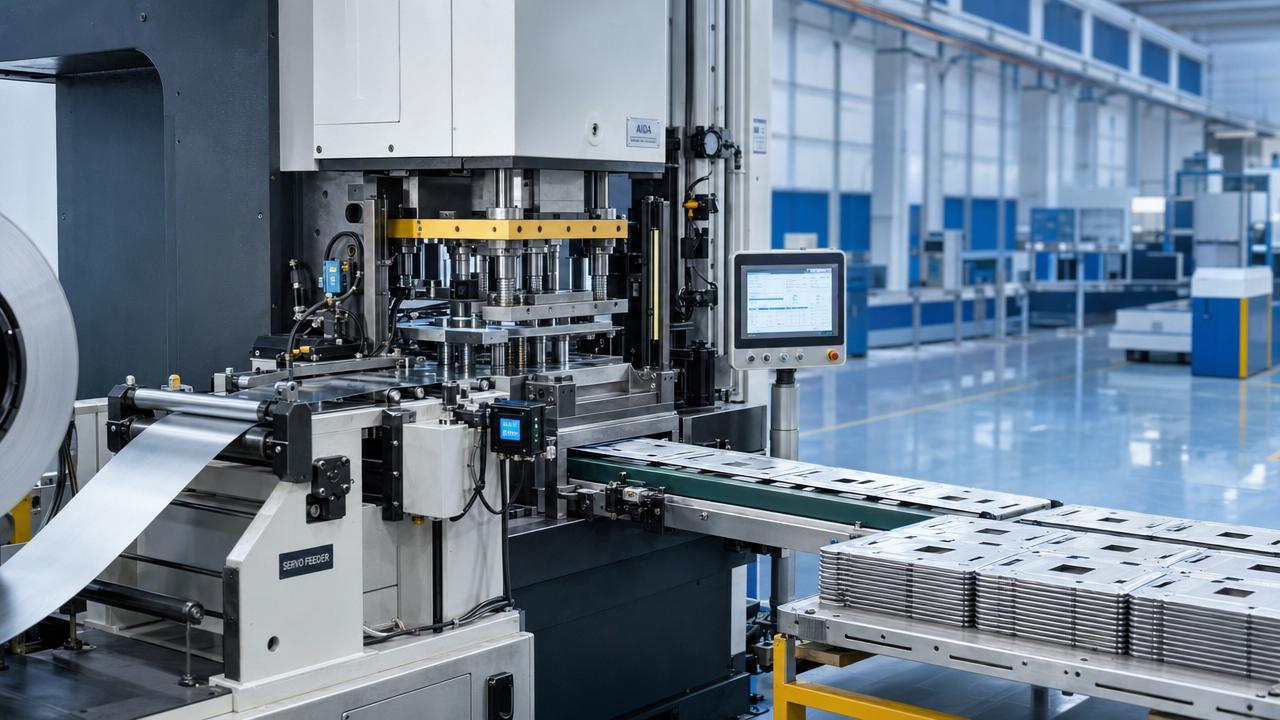
In metal stamping, scrap is more than a cost issue—it signals instability in quality, tooling, and process control. For quality and safety teams, manufacturing technology upgrades offer a practical path to reduce waste, improve consistency, and lower operational risk. From smarter die monitoring to automated material handling and real-time data analysis, the right improvements can turn scrap reduction into a measurable gain in productivity and compliance.
When professionals search for manufacturing technology upgrades that cut scrap in stamping, they are usually not looking for abstract innovation trends. They want to know which upgrades actually reduce defects, how those upgrades affect process stability and operator safety, and how to judge whether the investment will deliver results on the shop floor. For quality control and safety managers, the real question is straightforward: which technologies reduce scrap at the source rather than merely sorting bad parts after they are made?
The short answer is that the most effective upgrades are the ones that improve process visibility, feeding accuracy, tooling condition control, and response speed when variation begins. In stamping, scrap often starts with small deviations—coil inconsistency, die wear, misfeeds, lubrication problems, press instability, or incorrect setup. Modern manufacturing technology helps teams detect these signals earlier, standardize corrective action, and reduce the chance that a minor problem turns into a full shift of rejected parts.
Why scrap in stamping is a quality and safety problem, not just a material loss
Many plants still measure scrap mainly in terms of metal cost. That view is too narrow. A rising scrap rate often points to unstable tooling, inconsistent setups, unverified material changes, poor lubrication control, or operator intervention under unsafe conditions. In other words, scrap is often one of the earliest visible symptoms of a deeper process reliability issue.
For quality teams, scrap means more than failed parts. It creates inspection bottlenecks, rework pressure, delayed shipments, and customer complaints. It can also distort performance data if teams focus only on output volume while hidden losses accumulate through sorting and containment activity. A process that produces acceptable parts only with constant intervention is not truly under control.
For safety managers, scrap events can also correlate with elevated risk. Frequent jams, strip misalignment, slug pulling, or emergency stoppages increase the likelihood of manual clearing, hurried troubleshooting, and unsafe behavior around presses and dies. That is why manufacturing technology should be evaluated not only by its effect on yield, but also by its contribution to safer, more predictable operations.
Which manufacturing technology upgrades usually deliver the fastest scrap reduction
Not every capital project produces a meaningful reduction in defects. The upgrades that tend to show results fastest are those tied to the actual mechanisms that generate scrap. In most stamping environments, this means focusing on die protection systems, servo feeding improvements, in-die sensing, lubrication control, real-time press monitoring, and automated material handling.
Die protection and sensor systems are often among the highest-value improvements. These systems can detect misfeeds, part ejection failures, double hits, strip position errors, low stock conditions, and slug retention before they damage tooling or produce large volumes of nonconforming parts. Instead of discovering the issue at final inspection, the press stops at the point of abnormality. That alone can prevent a small event from becoming a major scrap incident.
Servo feeders and straighteners also matter because feeding inconsistency is a common but underestimated source of scrap. If material enters the die with variable pitch, poor flatness, or unstable tension, even a good die may produce bad parts intermittently. Upgrading the feeding line improves repeatability and reduces the hidden variability that quality teams often struggle to trace after the fact.
Automated handling around the press can generate similar benefits. Robotic unloading, transfer automation, or better part stacking systems reduce damage after forming, improve consistency in high-volume production, and lower operator exposure to repetitive or hazardous tasks. In many plants, post-press scratches, dents, edge damage, and mixed-part errors are recorded as quality losses even though the root cause is inadequate handling rather than the die itself.
How smart die monitoring helps quality teams control defects earlier
Smart die monitoring is one of the most practical manufacturing technology upgrades for stamping operations because it moves quality control upstream. Rather than relying only on end-of-line inspection, the system checks whether the process conditions required for good parts are actually present during every stroke or cycle.
Typical monitoring points include strip progression, pilot release timing, part extraction, slug discharge, stock thickness verification, and sensor confirmation of critical die events. When configured properly, these systems create a form of automatic process discipline. They do not replace experienced technicians, but they reduce dependence on human reaction time and help standardize response across shifts.
For quality personnel, the biggest advantage is traceability. Smart die monitoring systems generate event data that can be linked to specific runs, materials, tools, operators, and machine settings. This makes root cause analysis faster and more objective. Instead of debating whether a defect was random, teams can review timestamps, sensor events, and stop conditions to identify where variation began.
For safety teams, monitoring reduces the number of situations where operators feel pressure to keep a questionable process running. A controlled stop triggered by verified process deviation is safer than an informal judgment call made under production pressure. This is especially important in facilities where staffing turnover or varying skill levels increase the risk of inconsistent intervention practices.
Why press monitoring and data collection matter more than another inspection step
One common mistake is to respond to scrap by adding more manual inspection. While containment may be necessary in the short term, it rarely fixes the source of the problem. Press monitoring and machine data collection are usually more valuable long-term because they reveal whether the process is drifting before visible defects become widespread.
Modern press monitoring systems can track tonnage signatures, vibration, speed consistency, temperature, shut height trends, and other operating parameters. Over time, these patterns help teams identify abnormal conditions associated with tool wear, alignment changes, lubrication breakdown, or machine instability. The goal is not simply to collect more data, but to connect the data to actionable thresholds.
For example, if a tonnage curve starts changing gradually over several runs, that may indicate wear or material variation before dimensional failures appear in inspection. If the plant waits for out-of-spec parts to trigger action, it has already accepted avoidable scrap. If the system flags the trend early, maintenance or tooling adjustments can be scheduled before larger losses occur.
This approach also supports stronger cross-functional communication. Quality, maintenance, production, and safety teams can work from shared evidence rather than isolated observations. That reduces the tendency to treat scrap as a narrow QC issue when the actual cause may involve equipment condition, setup discipline, or environmental factors.
How automated lubrication and material control reduce hidden variation
Lubrication problems create more scrap than many plants realize. Too little lubrication can cause galling, tearing, and accelerated die wear. Too much can lead to slippage, part contamination, handling issues, or downstream welding and coating problems. Manual lubrication practices are often inconsistent, especially across shifts or product changes.
Automated lubrication systems improve repeatability by controlling application volume, timing, and distribution. This is especially valuable for complex geometries, high-strength materials, or tight-tolerance parts where friction behavior directly affects quality outcomes. If lubrication is treated as a variable to control rather than a consumable to apply loosely, scrap reduction often follows.
Material control is equally important. Coil thickness variation, surface condition changes, hardness differences, and edge quality issues all influence stamping performance. Manufacturing technology such as thickness sensors, material traceability software, and smarter decoiler-straightener integration helps detect when incoming stock is outside the process window. This allows teams to separate supplier issues from internal process failures more quickly.
For target readers in quality and safety roles, the key benefit is prevention. Better lubrication and material control reduce the unstable process conditions that force reactive intervention. That means fewer jams, less emergency adjustment, and less pressure to keep questionable material running just to meet short-term output targets.
What role robotics and automated handling play in scrap prevention
Automation in stamping is often justified by labor efficiency, but its quality value should not be overlooked. In many operations, a substantial share of scrap occurs after the forming operation itself—during extraction, transfer, stacking, or packaging. Thin-gauge parts, cosmetic components, and precision geometries are especially vulnerable to secondary damage.
Robotic handling, transfer systems, smart conveyors, and vision-assisted sorting reduce uncontrolled contact and improve part orientation consistency. They also help separate conforming and nonconforming parts in a more disciplined way, lowering the chance of mixed lots. For quality teams, this means fewer customer escapes caused by handling damage that was not clearly visible at the press.
From a safety standpoint, automated handling reduces manual reach-in activity near moving equipment and minimizes repetitive lifting and awkward motions. While automation introduces its own safeguarding requirements, a well-designed system usually lowers total exposure to the unsafe behaviors commonly associated with jam clearing, unstable stacking, and rushed manual unloading.
That said, automation is not automatically the best first upgrade for every plant. If the main scrap drivers are die condition, feed accuracy, or setup variation, those root causes should be addressed first. The best manufacturing technology roadmap starts with failure mode evidence, not with whichever technology appears most advanced.
How to prioritize upgrades based on scrap patterns instead of vendor claims
Quality and safety teams are often asked to support investment decisions, yet they may be presented with broad claims about Industry 4.0, smart manufacturing, or digital transformation that do not map clearly to actual plant problems. A more effective approach is to classify scrap by cause and then match each category to a technology response.
If scrap is driven by misfeeds, strip progression errors, or die timing issues, prioritize sensor-based die protection and feeding upgrades. If it is tied to wear-related dimensional drift, focus on press monitoring, tool condition tracking, and predictive maintenance. If it comes from post-press damage, evaluate automated handling and vision systems. If variation clusters around certain shifts or setups, invest in digital setup verification and standardized parameter control.
This method helps teams distinguish between useful and nonessential spending. It also produces better internal alignment because the investment case is based on defect history, downtime data, maintenance records, and safety events rather than general enthusiasm for new technology. For management, that makes ROI easier to justify. For operating teams, it increases confidence that the upgrade solves a real problem.
A practical prioritization framework should include four questions: How much scrap does this failure mode create? How often does it occur? How quickly can the technology detect or prevent it? And does the upgrade also reduce safety exposure or compliance risk? Technologies that score well across all four areas usually deserve first consideration.
What implementation mistakes can limit the value of new technology
Even strong manufacturing technology can fail to reduce scrap if implementation is weak. A common problem is installing monitoring equipment without clear stop logic, escalation rules, or ownership for response. If alarms are frequent but not trusted, operators may begin to bypass them or treat them as background noise. In that case, the plant gains data but not control.
Another mistake is separating the technology project from process engineering and operator training. New feeders, sensors, or monitoring platforms require updated setup procedures, maintenance routines, calibration checks, and troubleshooting standards. Without these changes, the plant may continue producing variation while assuming the equipment upgrade has solved the issue.
Data quality is another concern. If event codes are vague, if scrap categories are inconsistent, or if machine and quality data cannot be linked, the organization may struggle to turn information into action. Quality managers should push for reporting structures that connect defect types, process conditions, tooling status, and shift performance in a way that supports root cause analysis.
Finally, implementation should include validation metrics that matter to the business and to risk control. Scrap rate alone is not enough. Teams should also track unplanned stops, tool damage incidents, first-pass yield, operator interventions, near misses, and complaint trends. This broader view reflects whether the upgrade truly improved process stability.
How quality and safety managers can build a practical business case
To gain support for upgrades, quality and safety teams need to speak in operational terms, not just technical ones. The strongest business case links scrap reduction to measurable outcomes such as lower raw material loss, fewer sorting hours, improved on-time delivery, reduced tool repair cost, better audit readiness, and lower exposure to hazardous intervention tasks.
It also helps to present the cost of inaction. If recurring scrap events consume engineering time, create expedited shipments, increase customer containment demands, or contribute to frequent die incidents, those losses should be quantified. Many plants underestimate the true cost of scrap because they count only material disposal while ignoring labor, downtime, maintenance, and reputation risk.
A phased approach is often the most credible. Rather than proposing a large transformation program, start with one press family, one defect cluster, or one high-risk tool set. Validate the improvement, document the impact, and then scale. This reduces investment risk and produces internal proof that the selected manufacturing technology works under actual production conditions.
For organizations serving OEM or export markets, there is another strategic advantage. Better process control supports stronger compliance narratives around traceability, consistency, and risk prevention. In many industries, suppliers that can demonstrate controlled production environments gain an edge over competitors that rely heavily on manual correction and end-of-line sorting.
Conclusion: the best scrap reduction upgrades improve control, not just output
In stamping, scrap rarely disappears because teams inspect harder or work faster. It declines when the process becomes more visible, more repeatable, and less dependent on late intervention. That is why the most effective manufacturing technology upgrades are those that strengthen control at the source—through better sensing, feeding, monitoring, lubrication, handling, and data use.
For quality control professionals, these upgrades reduce defect escape risk and make root cause analysis more precise. For safety managers, they lower the frequency of unstable events that drive manual intervention and unsafe troubleshooting. For the business, they convert scrap reduction from a narrow cost-saving exercise into a broader improvement in throughput, compliance, and resilience.
The right path is not to buy every new system on the market. It is to identify where scrap begins, match technology to that failure mode, and implement it with clear process ownership. When done well, manufacturing technology does more than cut waste in stamping—it builds a production environment that is easier to control, safer to operate, and better prepared for demanding quality expectations.
Related News