
Mexico Extends AD Duties on Chinese Stainless Sinks

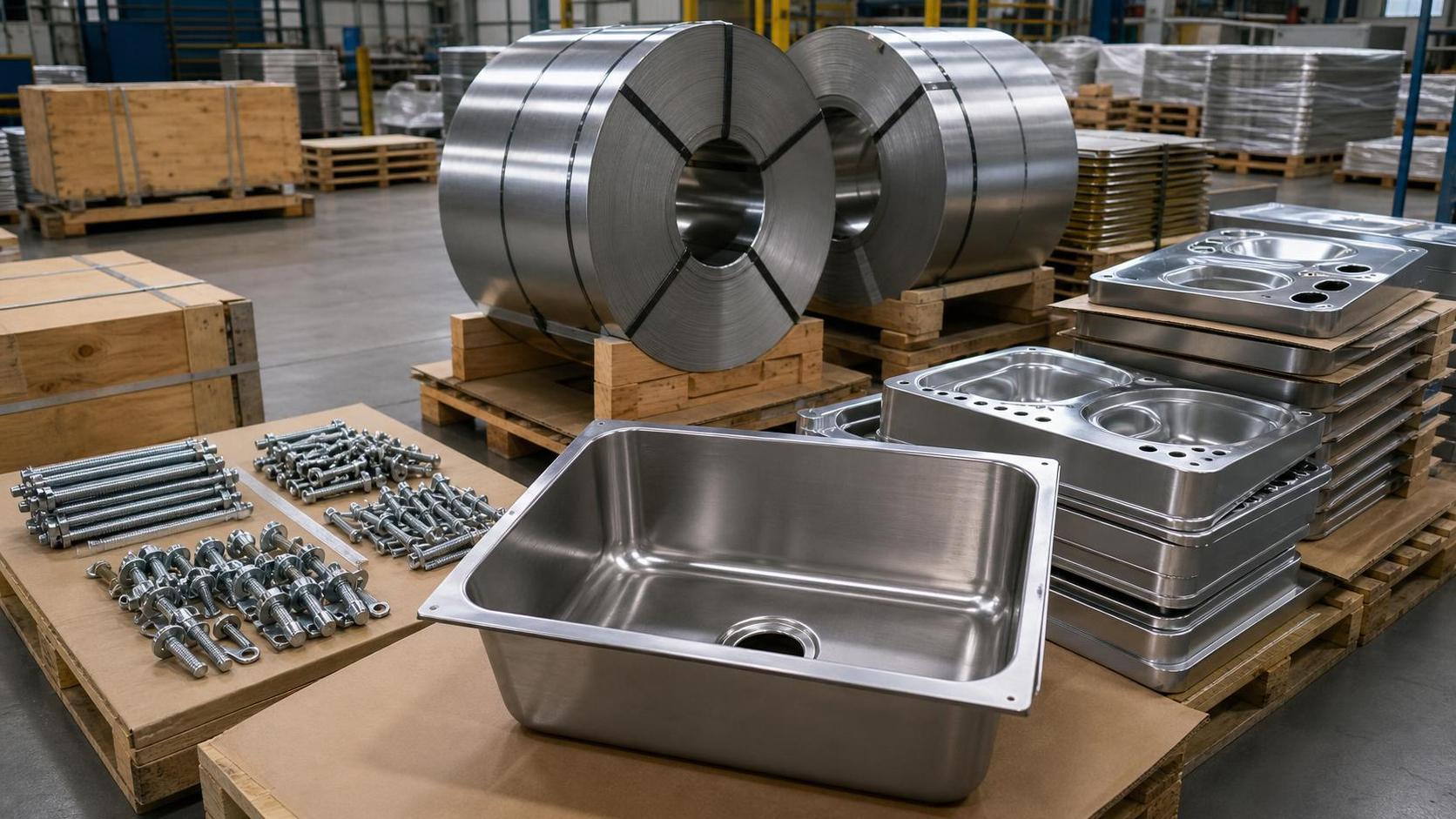
On June 16, 2026, Mexico moved from review to confirmed continuation by issuing a final ruling that keeps anti-dumping duties in place for Chinese stainless steel sinks under HS 7324.10 for another five years. For the industry, the importance of this development goes beyond one finished product category, because stainless sinks are closely tied to deep-drawing production, shared stainless coil sourcing, and overlapping manufacturing capacity used for Anchors, Stamping, Bolts & Screws. That makes the ruling relevant not only to direct exporters, but also to procurement, compliance, documentation, and delivery planning across related metal product supply chains serving Latin America.
What the ruling confirms
The confirmed facts are limited but commercially significant. On June 16, 2026, Mexico’s Ministry of Economy issued a final sunset review determination to continue anti-dumping duties on stainless steel sinks from China classified under HS 7324.10, extending the measure for five years. The product involved is widely associated with deep-drawing manufacturing, and the supplied information also indicates a shared stainless steel coil supply chain and stamping production lines with Anchors, Stamping, Bolts & Screws. The stated consequence is that the review result will intensify compliance scrutiny on Chinese metal products in the Latin American market.
Why the effect may spread beyond the named product
Export decisions may face broader compliance screening
From an industry perspective, exporters of stainless sinks are the most direct group affected because the trade measure remains in force for a new five-year period. Analysis shows that related manufacturers may also need to prepare for stricter review in transaction documents, product classification explanations, and buyer-side due diligence where production routes or material sourcing overlap with the affected category.
Shared material and stamping capacity become a practical concern
Manufacturers using the same stainless coil inputs or similar deep-drawing and stamping lines should pay closer attention to how products are described, documented, and separated in commercial and technical records. What deserves closer attention is not only the finished sink category itself, but also whether associated parts, sink accessories, and stainless fastening or anchoring items encounter more detailed scrutiny because of visible links in supply chain structure and production methods.
Procurement and channel partners may tighten review standards
For buyers, distributors, and supply chain service providers, the likely impact is operational rather than theoretical. Observably, when a final trade remedy is extended, procurement teams may place greater emphasis on product scope checks, origin-related paperwork, technical descriptions, and consistency between sales materials and shipping documents. In markets already sensitive to metal product compliance, that can affect review time, supplier selection, and delivery coordination.
What companies should watch next
Keep product scope and technical descriptions aligned
Analysis shows that companies handling sink products, accessories, or adjacent stamped stainless items should review whether product names, HS-related references, technical sheets, and commercial descriptions remain internally consistent. Where production lines are shared, clear differentiation in records may become more important during customer or channel review.
Prepare for stricter document-based checks
It is more appropriate to understand this development as a signal for stronger compliance examination. Companies should therefore pay attention to the completeness and consistency of quotations, specifications, packing lists, test-related materials if already used in trade practice, and other technical documents that support product identification and transaction review. The supplied information does not provide detailed enforcement mechanics, so this should be treated as a watchpoint rather than a confirmed procedural requirement.
Reassess delivery and sourcing exposure in Latin America
From an industry perspective, businesses with exposure to Latin American metal product trade should examine whether the ruling could influence lead times, buyer confirmation cycles, or sourcing decisions for products made from the same stainless coil base or similar stamping capacity. This is especially relevant where one factory serves multiple categories that are commercially separate but operationally linked.
Follow later wording and market-side execution signals
What deserves closer attention is whether subsequent official wording, customer requirements, tender documents, or channel compliance requests begin to reflect a broader caution toward related Chinese metal products. The current input does not confirm those downstream changes, so continued monitoring is necessary before treating them as established market practice.
How this development is best understood now
Observably, this is already a landed trade rule outcome for the affected sink category because the final determination extends the anti-dumping measure for another five years. At the same time, the wider impact on stamping-related products, accessories, and stainless anchoring or fastening items is better understood as an execution signal rather than a confirmed expansion of product scope. Analysis shows that the practical issue for industry participants is the likely rise in compliance attention around shared materials, shared production processes, and transaction documentation.
A measured reading for the metal products chain
This development is best read as a concrete continuation of trade restrictions on one defined product, alongside a broader warning sign for companies operating across linked stainless steel and stamping supply chains. A rational conclusion is that the ruling does not automatically redefine all adjacent products, but it does raise the importance of compliance readiness, document discipline, and market-side monitoring for exporters and suppliers connected to these manufacturing routes.
Basis of this article and what still needs verification
This article is generated from the user-provided news title, event date, and event summary. For events of this type, relevant source categories commonly include official government notices, trade or customs authority releases, regulatory publications, industry association updates, standards-related documents, and reporting by established industry media. No specific official source link was provided in the input, so the exact official link still requires follow-up verification. What should continue to be monitored includes any later implementation details, compliance interpretation, tender document wording, buyer-side review practices, industry feedback, and actual execution by affected companies.
Related News