
Stamping Lead Times Stretch as EV Demand Tightens Capacity

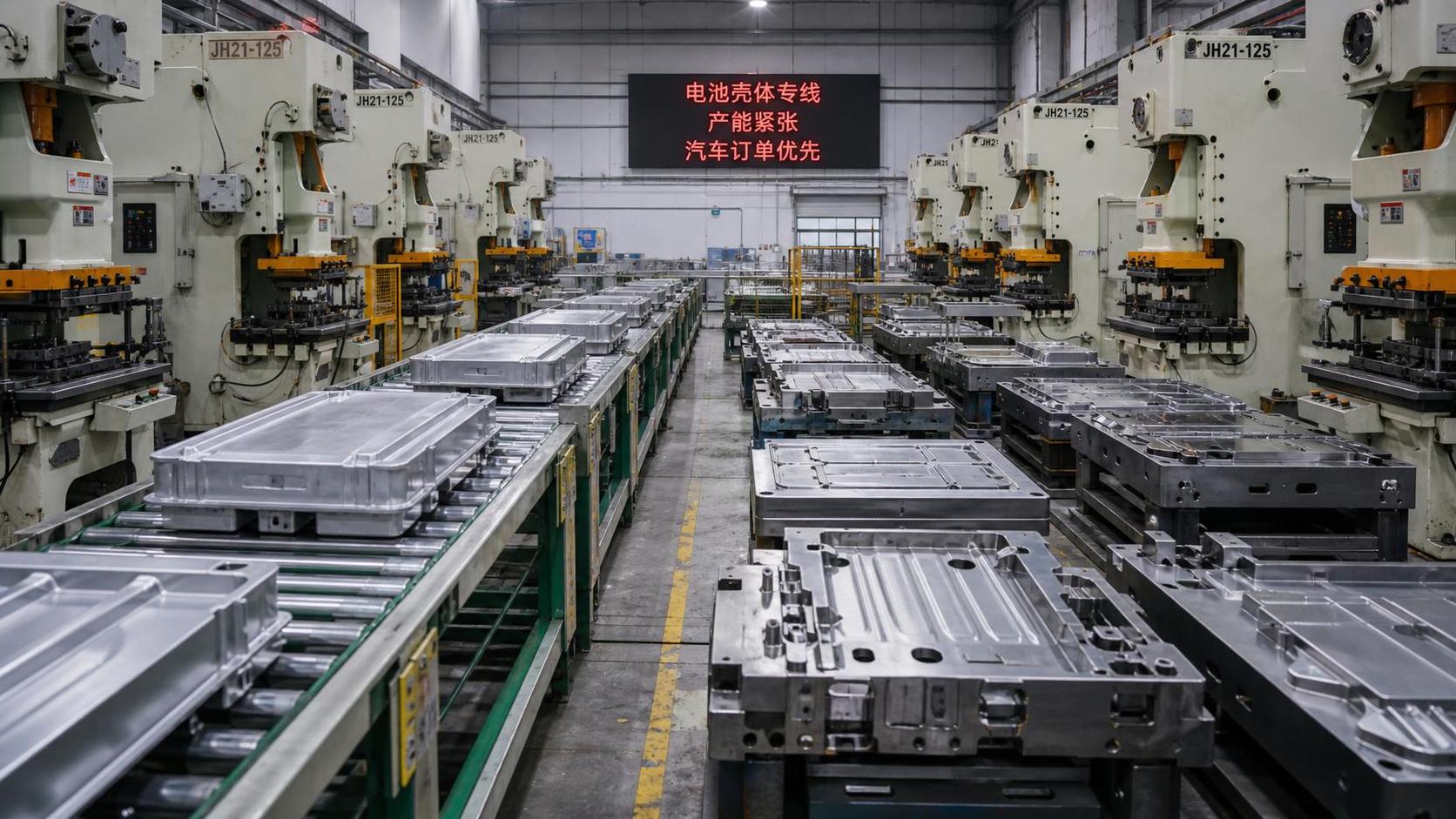
On June 30, 2026, the latest update reflected not just a supply-demand shift in metalforming, but a clearer allocation rule now shaping deliveries: as EV battery enclosure and structural chassis demand absorbs more global stamping capacity, automotive OEM contracts are being prioritized, while other buyers face longer waits and higher costs. For procurement teams, component users, tool buyers, and supply-chain service providers, this matters because delivery timing, sourcing terms, and commercial compliance expectations are now being influenced by capacity allocation rather than price alone.
What the June Update Confirms
According to the International Metalforming Association (IMA), global stamping capacity utilization reached 94.7% in June 2026. The reported driver was strong demand for EV battery enclosures and structural chassis parts. At the same time, lead times for precision stamping dies and high-tolerance stamped components extended to 16 to 18 weeks. The same update stated that automotive OEM contracts were given priority in allocation, while non-automotive buyers faced supply constraints and price premiums of up to 12%.
How Allocation Priority Can Reshape Transactions
Pressure on non-automotive procurement schedules
From an industry perspective, buyers outside the automotive OEM channel may be affected first through order planning and delivery commitment risk. Where stamped parts or tooling are tied to fixed production windows, longer lead times can alter purchase scheduling, contract timing, and supplier confirmation practices. What deserves closer attention is whether procurement documents, technical specifications, and delivery clauses still reflect realistic lead times under current allocation conditions.
Implications for processors and component manufacturers
For manufacturers that depend on precision dies or high-tolerance stamped inputs, the immediate issue is not only cost but sequence. If upstream suppliers are prioritizing automotive OEM programs, downstream processors may need to reassess how they validate supplier availability, book capacity, and confirm production slots. Analysis shows that this kind of allocation environment can make supplier qualification records, technical document alignment, and delivery traceability more important in day-to-day execution.
What traders and supply-chain intermediaries should watch
Direct trading companies and supply-chain service providers may face increased difficulty in securing consistent terms for non-automotive orders. The effect may appear in quotation validity, allocation confirmation, and shipment timing rather than in a formal rule notice. Observably, when price premiums and allocation constraints emerge together, counterparties need to pay closer attention to order documentation, specification consistency, and any contract language linked to lead-time acceptance or supply priority.
Operational Issues Now Worth Closer Review
Check whether sourcing documents match current lead times
Analysis shows that companies buying precision dies or high-tolerance stamped components should review whether RFQs, purchase orders, and delivery commitments still match the 16 to 18 week timing now reported. This is especially relevant where internal planning still assumes shorter replenishment cycles.
Reconfirm supplier status and allocation visibility
What deserves closer attention is the practical basis on which suppliers confirm capacity. Where automotive OEM contracts receive priority, buyers should closely review how suppliers communicate allocation status, order acceptance, and expected production windows. The current information does not establish a new formal compliance rule, but it does signal a tighter execution environment.
Watch cost adjustments alongside technical compliance
For non-automotive buyers, price premiums of up to 12% indicate that commercial review and technical review may need to move in parallel. Companies should pay attention to whether cost changes are accompanied by revised delivery terms, updated technical commitments, or stricter conditions tied to tooling and component tolerances.
Maintain traceable records for delivery and specification changes
Observably, when lead times extend under constrained allocation, later disputes often center on what was confirmed, when it was confirmed, and under which technical conditions. Buyers and suppliers should therefore keep technical documents, order revisions, and delivery confirmations aligned and traceable, especially for products with high tolerance requirements.
Why This Looks More Like an Execution Signal Than a Formal Rule Change
Analysis shows that this development is best understood as an execution-level market signal with rule-like effects, rather than as a newly published regulation or certification standard. The key change is the emergence of a clearer supply priority order in practice: automotive OEM demand is influencing who gets capacity first, on what timeline, and at what premium. For industry participants, that can affect procurement discipline, bid assumptions, and delivery planning even without a new formal policy text. It is more appropriate to understand this as a current allocation signal that could shape subsequent contract practice and purchasing behavior, while still requiring continued observation.
What the Market Should Take From This Stage
The June 30, 2026 update points to a tightening operating environment for precision stamping and related tooling, with practical consequences for lead times, allocation access, and pricing outside priority automotive channels. From an industry perspective, the most balanced reading is that this is not yet a stand-alone policy event, but it is a meaningful operating change for procurement and supply-chain execution. Companies should treat it as a sign to recheck sourcing assumptions, supplier commitments, and delivery documentation rather than as a basis for broad conclusions beyond the reported facts.
Basis of This Article and What Still Needs Verification
This article is based on the user-provided news title, event date, and event summary. For events of this type, commonly relevant source categories may include industry association releases, regulatory updates, trade authority information, standards organization documents, customs or trade notices, and reporting by established industry media. A specific official source link was not provided in the input, so further verification remains necessary. Observably, the next points worth tracking are any more detailed supplier allocation language, changes in tender or purchasing documents, shifts in technical acceptance terms, and broader industry feedback on how these lead-time and pricing conditions are being applied in practice.
Related News