
CPSC Recall Flags Compliance Risks in Air Wrench Supply Chains

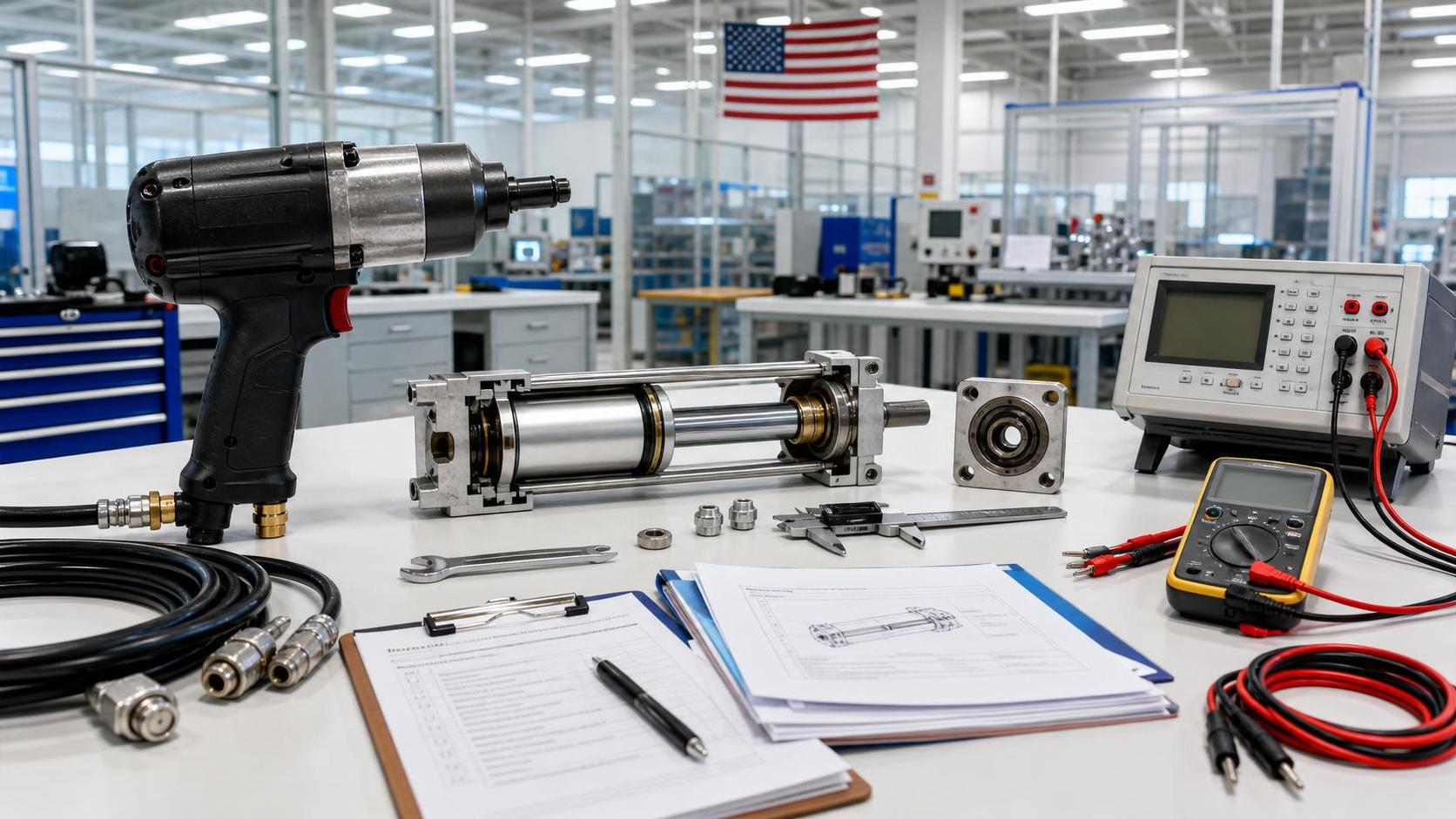
On June 24, 2026, the U.S. Consumer Product Safety Commission issued an emergency recall covering 23 models of China-made pneumatic wrenches after electric leakage was linked to three burn injuries. Beyond the product incident itself, the case draws attention to a more specific industry issue: how electrical insulation failure inside tools that use Air Cylinders as core actuating units can expose gaps in electrical isolation design and coordinated verification against IEC 60335-1. For manufacturers, importers, component suppliers, and channel partners serving the North American market, this is a development worth watching because it may affect compliance review, supplier qualification, and customer communication.
What the recall notice confirms
According to the information provided, the CPSC released Recall #26-142 on June 24, 2026. The recall involves 23 models of pneumatic wrenches made in China. The stated hazard is internal insulation failure that can lead to electric leakage and burn injuries, and the event is associated with three reported burn cases. The affected products use Air Cylinders as a core execution unit. The incident also highlights a lack of coordinated validation between electrical isolation design in pneumatic tool assemblies and IEC 60335-1.
Where the impact may be felt across the chain
Tool manufacturers face design-verification pressure
From an industry perspective, complete-tool manufacturers are the first group likely to feel the impact because the issue points to a design and validation gap rather than a simple labeling or documentation problem. The most immediate pressure may appear in product design review, supplier integration, and internal compliance sign-off for tools entering North America.
Importers may tighten supplier screening
Analysis shows North American importers have reason to pay closer attention to pneumatic component sourcing, especially where core actuating units are linked to broader electrical safety performance. The key business impact may fall on supplier qualification, incoming technical documentation checks, and requests for clearer evidence that electrical isolation has been assessed together with applicable standard requirements.
Component suppliers may see deeper audit requests
For suppliers of pneumatic components such as Air Cylinders, the concern is not only product performance but also how their parts are evaluated within the finished tool. What deserves closer attention is whether customers begin asking for more detailed compliance materials, interface design information, and proof of coordinated testing assumptions during project onboarding or annual supplier review.
Distributors and downstream buyers may need clearer risk communication
Channel partners and procurement teams may also be affected if customers seek confirmation on affected product categories, compliance status, or replacement arrangements. In practice, the main pressure point may be commercial communication: how quickly businesses can clarify model scope, supplier responsibility, and product safety documentation without overstating what has or has not been officially confirmed.
What companies should monitor now
Watch for further official wording and scope clarification
Analysis shows the current signal comes from a specific CPSC recall notice, so companies should closely monitor whether subsequent official language expands attention from finished pneumatic wrenches to broader component-level review expectations. The distinction matters because a recall notice and a wider enforcement pattern are not the same thing.
Review how component integration is documented
Manufacturers and importers should pay attention to how electrical isolation design is documented when pneumatic components are incorporated into finished tools. The practical issue raised by this case is not only whether a core component performs its mechanical function, but whether the integration logic and safety assumptions are clearly supported in technical files and verification records tied to IEC 60335-1.
Prepare supplier files and customer-facing responses
What deserves closer attention is operational readiness. Companies involved in sourcing, assembly, or export may need to check whether supplier qualifications, technical declarations, test-related records, and model traceability documents are complete enough to support customer inquiries or importer audits. Clear communication plans can also help separate confirmed facts from ongoing review.
Focus on North America-facing delivery risk
For businesses shipping into North America, the near-term issue may be less about broad market conclusions and more about execution risk in active orders. Procurement, delivery scheduling, and customer communication may all require closer coordination if buyers begin asking for additional compliance confirmation before accepting shipments or approving repeat orders.
Why this looks more like a compliance signal than an isolated product story
Observably, this development should not be read only as a single recall involving 23 models. It also signals that the interface between pneumatic components and electrical safety design can become a regulatory weak point when verification is not coordinated. At the same time, it is more appropriate to understand this as an important compliance signal rather than a settled industry-wide outcome. The information provided indicates potential for stricter supplier audits in North America, but whether that develops into a broader procurement standard still requires continued observation.
How to read the current development
At this stage, the most balanced interpretation is that the recall has both immediate and longer-tail relevance. The immediate relevance lies in product safety response and customer-facing compliance review. The longer-tail relevance lies in how importers and manufacturers may reassess supplier controls for pneumatic components used in electrically sensitive tool assemblies. From an industry perspective, this is best understood as a concrete warning sign for cross-functional compliance management rather than proof of a fully formed new market rule.
Basis of this article and what still needs verification
This article is based on the user-provided news title, event date, and event summary concerning the June 24, 2026 CPSC emergency recall. For this type of development, relevant source categories typically include official recall notices, company statements, industry association updates, authoritative media reporting, and standard-related documents. No specific official source link was provided in the input, so the exact linked source material still requires ongoing verification. Continued attention should focus on whether official follow-up statements, importer audit practices, or additional compliance interpretations emerge after the initial recall notice.