
Vietnam Imposes 5% Temporary AD Duty on Chinese Pneumatic Valves

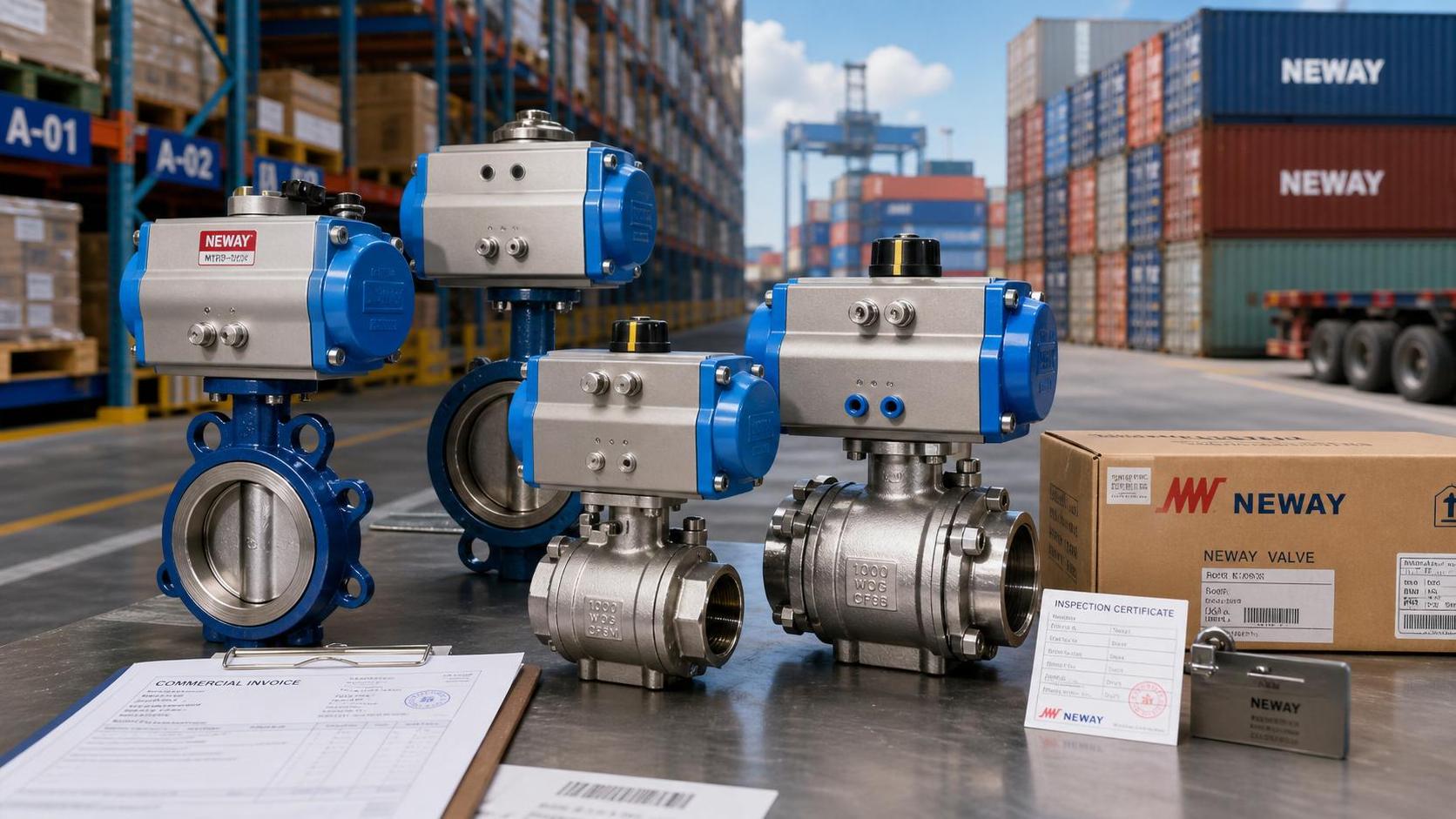
On July 10, 2026, a new trade-control measure entered the Vietnam-bound valve business: the Ministry of Industry and Trade (MOIT) announced a six-month temporary anti-dumping duty of 5% on pneumatic control valves from China under HS 8481.80. For exporters, distributors, and procurement teams handling butterfly valves, ball valves, and actuator assemblies, this is not just a pricing issue; it is a rule change that can affect quotation terms, stocking decisions, and the handling of import-related documentation during the measure period.
What the announced measure covers
According to the information provided, Vietnam's MOIT issued the announcement on July 10, 2026 and applied a temporary anti-dumping measure for six months to pneumatic control valves originating in China, with a duty rate of 5% under HS 8481.80. The measure was based on an investigation into injury to the domestic industry. The products mentioned in the summary include mainstream butterfly valves, ball valves, and actuator combination assemblies.
Where the pressure is likely to appear first
Export quotations face an immediate trade-cost adjustment
From an industry perspective, Chinese exporters selling covered valve products into Vietnam are likely to feel the impact first in pricing and contract execution. A temporary anti-dumping duty changes the landed-cost structure, which means quoted prices, margin assumptions, and customer negotiations may all need to be revisited. What deserves closer attention is whether product descriptions, HS classification handling, and supporting trade documents remain consistent with the covered scope described in the measure.
Distributors may reassess inventory timing and product mix
Observably, Vietnam-side distributors and channel operators are likely to focus on stock planning and replenishment rhythm. Because the measure lasts for six months, inventory decisions may become more sensitive to import timing, product mix, and replacement planning across the covered valve categories. The practical issue here is not only cost, but also whether purchasing and stocking strategies should be adjusted to reflect the temporary duty burden during the measure period.
Procurement and supply-chain teams will need tighter document checks
For procurement teams and supply-chain service providers, the rule change may shift attention toward document accuracy and shipment planning. Analysis shows that when a temporary trade remedy is introduced, the commercial and operational burden often concentrates in quotation review, customs-facing paperwork, technical item descriptions, and delivery scheduling. In this case, the relevant focus remains the covered products under HS 8481.80 and the treatment of butterfly valves, ball valves, and actuator combinations within routine order processing.
Operational points companies should watch now
Recheck whether products fall within the announced scope
Companies dealing in pneumatic valve products should first review whether their exported or procured items align with the covered product description in the announcement summary. This includes checking model descriptions, product specifications, assembly configuration, and HS-related internal records. The current information does not provide a more detailed enforcement breakdown, so businesses should avoid assuming that all adjacent product types will be treated identically without further verification.
Review quotation terms and inventory assumptions
Analysis shows that the most immediate commercial exposure is likely to sit in quoted prices and inventory planning. Exporters may need to examine whether current offers to Vietnam reflect the temporary duty burden, while distributors may need to re-evaluate stocking levels for covered products during the six-month period. This is better understood as a short-term execution issue tied to trade conditions rather than a fully settled long-term market outcome.
Track official wording and practical enforcement closely
What deserves closer attention is the exact administrative and operational interpretation that may follow the announcement. Businesses should continue monitoring official wording, customs-facing practice, and any downstream changes in procurement documents or technical bid requirements that reference product scope, classification, or origin treatment. Since the input does not provide detailed implementation rules, those points should be treated as watch items rather than confirmed outcomes.
Prepare records that support trade and product traceability
For companies already active in this product segment, it is practical to keep trade documents, technical descriptions, and shipment records in order. Observably, where temporary trade measures affect a defined product category, document consistency can become more important across sales, logistics, and after-sales coordination. At this stage, that is a compliance-preparedness point, not evidence of any additional requirement beyond the announced temporary duty.
Why this reads as an execution signal, not the final word
This development is more appropriate to understand as an active trade-enforcement signal with immediate commercial consequences, rather than as a closed policy story. The measure is already framed as temporary, has a defined six-month period, and is tied to a domestic industry injury investigation. Analysis shows that the industry should pay attention not only to the duty itself, but also to how market participants adjust quotations, inventory behavior, and transaction discipline while the measure is in effect. That makes follow-up observation important, especially where practical implementation details are still not supplied in the input.
How the market should read this stage
In practical terms, the July 10 measure matters because it moves the issue from general trade risk into an applied rule affecting covered pneumatic valve products entering Vietnam from China. The immediate significance is clearest in pricing, stock management, and transaction compliance. At the current stage, it is more appropriate to read the announcement as a landed rule change with further execution details still worth monitoring, rather than as a basis for broad conclusions about final market restructuring.
Basis of this article and what still needs verification
This article is generated from the user-provided news title, event date, and event summary. For events of this kind, relevant source types typically include official announcements, releases from regulatory authorities, customs or trade-administration information, industry association materials, standard-setting documents, and reporting by authoritative media. A specific official source link was not provided in the input, so the precise source document should still be verified on an ongoing basis. Further observation is also needed on detailed implementation language, practical compliance interpretation, procurement-document changes, market feedback, and how affected companies execute during the six-month measure period.
Related News