
When a Mechanical Engineering Supplier Becomes a Cost Risk

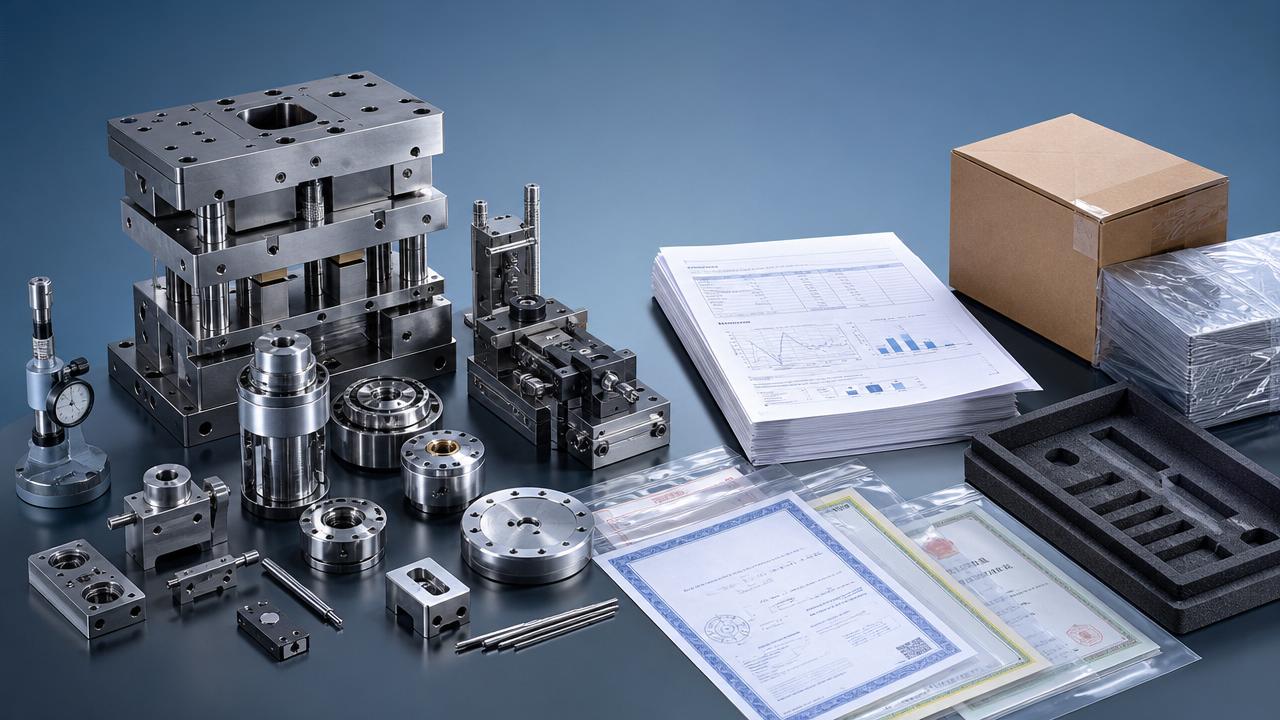
A mechanical engineering supplier can lower sourcing effort and support growth, yet it can also become a hidden cost risk. Unit price rarely shows the full picture.
Delays, rework, weak documentation, unstable material quality, and compliance failures often appear later. By then, margins, delivery promises, and customer trust may already be damaged.
In complex industrial supply chains, the safer decision comes from structured evaluation. This article explains how to detect risk signals early and judge a mechanical engineering supplier beyond quotation sheets.
Why a structured review matters
A mechanical engineering supplier affects tooling life, assembly stability, production uptime, warranty exposure, and regulatory readiness. These factors influence total cost more than many buyers expect.
A checklist approach helps compare suppliers using the same logic. It reduces emotional decisions, highlights hidden variables, and improves long-term cost control across mixed industrial categories.
This matters especially in hardware, electrical support systems, molds, machined parts, and automation-linked components, where small deviations can create large downstream losses.
Core points to check before selecting a mechanical engineering supplier
- Verify whether quoted prices include tooling updates, inspection reports, packaging standards, export compliance, and engineering support, not only the visible production cost.
- Review process capability data, tolerance history, and corrective action speed to understand whether quality consistency can survive scale changes or tighter specifications.
- Check material traceability from source to finished part, including certificates, batch control, and substitution rules during shortages or sudden market volatility.
- Assess lead-time reliability using actual shipment performance, buffer planning, machine utilization, and subcontracting dependence during peak seasonal demand.
- Confirm engineering communication depth, because weak drawing review and unclear revision handling often create scrap, delayed approvals, and repeated design misunderstandings.
- Examine maintenance discipline for molds, fixtures, cutting tools, and test equipment, since neglected upkeep usually appears later as drift, downtime, and unstable dimensions.
- Measure responsiveness to nonconformities, including containment speed, root-cause method, and replacement policy, because recovery capability strongly affects total landed cost.
- Review compliance readiness for applicable standards, marking rules, environmental declarations, and destination market documents to prevent border delays and legal exposure.
- Understand digital maturity in planning, inventory visibility, and revision control, because manual systems often increase error frequency across multi-site industrial programs.
- Test financial resilience and ownership stability, since a mechanical engineering supplier under cash pressure may cut corners on materials, labor, or preventive controls.
Cost signals that deserve immediate attention
- Frequent requoting after technical clarification suggests poor estimation discipline or intentional low-entry pricing designed to recover margin later.
- Unusually low pricing versus market norms may indicate thinner inspections, weaker alloys, shorter tool life, or missing after-sales obligations.
- High staff turnover in quality or engineering roles often weakens process continuity and increases the chance of repeated preventable mistakes.
- Long approval cycles for samples or documents can reveal overloaded teams, fragmented systems, or limited technical ownership.
How hidden costs appear in different industrial situations
Custom machined components
For custom parts, the biggest risk is often variation inside tolerance bands. A mechanical engineering supplier may meet drawings but still create assembly friction or performance inconsistency.
Check CPK data, gauge calibration, burr control, surface finish stability, and changeover discipline. Small machining shortcuts can trigger field failures and expensive sorting campaigns.
Mold and tooling programs
In tooling projects, low upfront cost can hide future maintenance burden. Poor steel selection or weak thermal control may reduce mold life and increase downtime.
Review spare part strategy, cavity balance, repair records, and trial-shot learning speed. The right mechanical engineering supplier protects output stability over the full tool lifecycle.
Fasteners and hardware in harsh environments
Fasteners seem simple, yet coating quality, thread precision, and metallurgical consistency directly affect corrosion resistance and load behavior.
Request salt spray evidence, torque performance data, and lot traceability. A mechanical engineering supplier serving demanding environments must prove durability, not just dimensional acceptance.
Pneumatic and automation-related components
For pneumatic fittings, valves, and support parts, cost risk often comes from leakage, cycle instability, or weak compatibility with control logic.
Evaluate life-cycle testing, seal material consistency, and documentation quality. A mechanical engineering supplier in automation must support reliable repeat performance under operating stress.
Frequently ignored factors that increase total cost
Packaging is treated as an afterthought
Inadequate packaging causes coating damage, mixed lots, moisture exposure, and hidden handling losses. The cheapest packaging option often creates the highest downstream disruption.
Revision control is too informal
Version errors create obsolete production, rejected inventory, and customer complaints. A mechanical engineering supplier should show disciplined document control and acknowledgment records.
Second-tier suppliers remain invisible
A primary supplier may appear capable while relying on unstable outside processes. Heat treatment, coating, casting, or logistics partners can become the real source of cost leakage.
Sample quality is mistaken for mass-production quality
Pilot runs often receive extra attention. Real risk appears when volume increases, shifts multiply, and process discipline weakens. Confirm controls under production conditions, not lab conditions.
Practical execution steps for supplier evaluation
Start with a weighted scorecard. Include price transparency, quality consistency, delivery stability, engineering depth, compliance readiness, and recovery capability.
Then validate claims with evidence. Ask for recent KPI trends, sample reports, audit findings, material certifications, and examples of resolved nonconformities.
Use trial orders where possible. A controlled pilot exposes communication speed, packaging discipline, document accuracy, and schedule reliability before larger commitments.
Compare total landed cost, not ex-works price alone. Include freight, customs exposure, defect risk, downtime impact, engineering hours, and replacement responsiveness.
For higher-risk categories, build a dual-source or backup strategy. Even a strong mechanical engineering supplier should not become a single point of operational failure.
What stronger supplier intelligence looks like
Industrial sourcing decisions improve when evaluation is supported by technical context and market insight. That is where specialized intelligence platforms add practical value.
GHTN tracks the deeper layers of hardware, tooling, electrical systems, molds, and industrial components. Its analysis connects material behavior, process capability, and trade realities.
This perspective helps identify whether a mechanical engineering supplier is merely competitive on paper or genuinely resilient across quality, compliance, and lifecycle cost performance.
For organizations working across OEM supply chains, precision manufacturing, or distribution networks, sharper visibility reduces avoidable cost surprises and supports better sourcing decisions.
Conclusion and next action
A mechanical engineering supplier becomes a cost risk when price hides instability. The warning signs usually appear in process discipline, documentation, maintenance, traceability, and response capability.
The most effective next step is simple. Review current suppliers using a consistent checklist and rank them by total cost exposure, not only by annual spend.
Then strengthen decisions with technical and trade intelligence. Better visibility today protects margin, delivery credibility, and long-term competitiveness across industrial supply chains.
Related News