
When mechanical engineering solutions become too complex

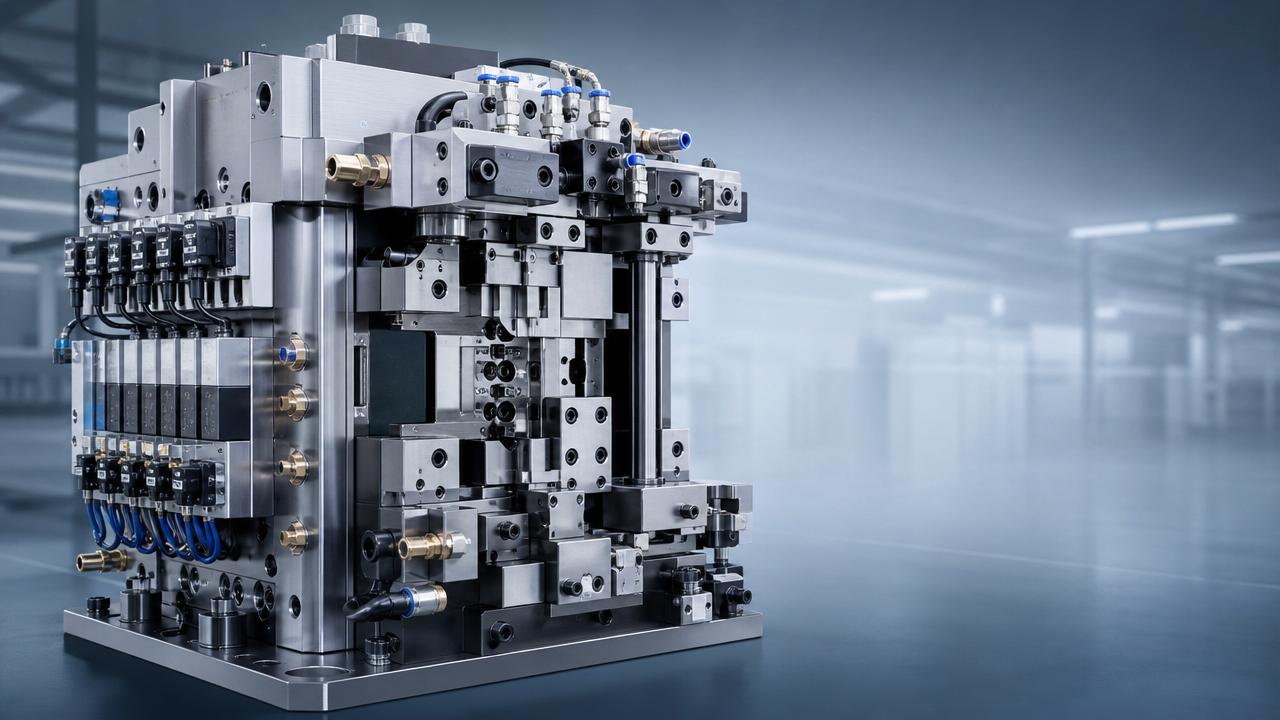
When mechanical engineering solutions become too complex, complexity stops being a technical issue alone. It becomes a business issue tied to cost, compliance, reliability, and speed.
In modern industry, hidden risks often sit inside fasteners, tooling interfaces, pneumatic logic, mold tolerances, and electrical component compatibility across production systems.
That is why mechanical engineering solutions must be evaluated through both engineering depth and market context. Technical elegance means little if sourcing is unstable or scaling is difficult.
GHTN addresses this challenge by connecting component-level analysis with manufacturing intelligence. Its focus on tools, electrical systems, molds, and industrial parts helps clarify decisions that appear overly complicated.
Understanding why mechanical engineering solutions become too complex
Mechanical engineering solutions are built to solve physical problems under real constraints. Complexity rises when more performance targets, regulations, suppliers, and automation layers enter the same project.
In many industrial environments, complexity does not come from one large design choice. It grows through many small dependencies that interact in difficult ways.
A material change may affect wear resistance. That affects tooling life. Tooling life affects maintenance intervals. Maintenance intervals affect uptime, labor, and total production economics.
This chain reaction explains why mechanical engineering solutions often require broader review than drawings, specifications, or simulation outputs alone can provide.
- Multiple component interfaces create hidden failure points.
- Higher precision requirements reduce tolerance for variation.
- Global compliance standards increase design constraints.
- Distributed supply chains make substitution more difficult.
- Automation systems demand tighter mechanical-electrical coordination.
When mechanical engineering solutions become too complex, simplification does not mean removing engineering rigor. It means identifying which variables truly determine operational success.
Industry signals shaping complexity across industrial systems
Across the broader industrial landscape, complexity is increasing because systems are becoming more integrated, more data-driven, and more sensitive to quality variation.
Hardware, electrical, and mold sectors now influence each other more directly. A decision in one layer can change performance in another.
These signals matter because mechanical engineering solutions are no longer evaluated by performance alone. They are judged by resilience, replacement ease, and long-term business fit.
GHTN’s value lies in reading these signals at the component level. Its analysis connects physical attributes with trade realities and manufacturing strategy.
Business value of clearer mechanical engineering solutions
Clearer mechanical engineering solutions create measurable value far beyond design convenience. They reduce uncertainty in procurement, production planning, after-sales support, and capacity expansion.
A simplified decision path improves speed without ignoring technical detail. This matters in sectors where mold wear, fastening stability, and tooling compatibility directly shape output quality.
Where business impact appears first
- Lower redesign frequency during product transfer or scaling.
- Fewer disruptions caused by mismatched industrial components.
- Improved consistency across global suppliers and production sites.
- Better forecasting for tooling replacement and maintenance budgets.
- Stronger confidence in compliance and export readiness.
When mechanical engineering solutions become too complex, many teams overfocus on peak specifications. Yet market success often depends on repeatability, serviceability, and sourcing stability.
This is especially true in integrated industrial systems. A technically advanced part that introduces supply risk may weaken the full operating model.
GHTN supports a broader evaluation method. It examines component behavior, manufacturing process compatibility, and downstream trade implications in one connected view.
Typical scenarios where complexity requires better structure
Not all complexity is harmful. Some reflects necessary performance demands. The challenge is knowing when complexity adds value and when it hides avoidable cost or fragility.
Each scenario shows that mechanical engineering solutions must be judged in context. The best answer depends on process logic, operating conditions, and long-term replacement feasibility.
Practical methods to simplify evaluation without losing depth
A useful approach is to separate visible complexity from critical complexity. Visible complexity looks impressive. Critical complexity determines failure risk, cost exposure, and scaling limits.
A structured review path
- Define the operating environment before comparing specifications.
- Map all component dependencies across the production chain.
- Test whether performance gains justify sourcing and maintenance complexity.
- Check compliance implications early, not after design lock-in.
- Evaluate replaceability under real market conditions.
- Use lifecycle economics, not unit price, as a primary filter.
This process helps mechanical engineering solutions remain technically sound while staying practical for manufacturing and international trade.
Another key step is using trusted industrial intelligence. Data on cutting performance, electrical standards, mold iteration trends, and component durability shortens the path to better decisions.
That is where GHTN becomes useful. It turns fragmented industrial knowledge into structured insight, helping complexity become understandable rather than overwhelming.
Key considerations for long-term industrial competitiveness
Mechanical engineering solutions should support more than immediate production goals. They should strengthen long-term resilience, premium positioning, and adaptation to future technical standards.
Industrial competitiveness often depends on granular details. A better fastener grade, a more stable mold design, or a smarter tooling choice can influence margins and export performance.
- Prioritize standardization where it improves replaceability.
- Use precision upgrades where they clearly reduce downstream losses.
- Monitor global compliance changes affecting industrial components.
- Track supplier capability, not only quoted price.
- Balance innovation with operational simplicity.
When mechanical engineering solutions become too complex, the right response is not simplification at all costs. The right response is disciplined selection based on value, risk, and manufacturability.
Next-step direction for better decision clarity
Complexity is now a normal condition in industrial systems. The advantage goes to those who can interpret it accurately and act with precision.
GHTN offers that interpretive layer through expert-led analysis of hardware, electrical, tooling, and mold sectors. Its perspective links engineering details with global market relevance.
For any review involving mechanical engineering solutions, start by identifying the few variables that truly shape reliability, compliance, sourcing, and lifecycle cost.
Then use industrial intelligence to compare options on practical terms, not just theoretical performance. That shift turns complexity into structured opportunity.
Linking precision, tooling the future, GHTN helps transform complex industrial questions into clearer decisions and stronger long-term outcomes.
Related News