Which Industrial Solutions Actually Reduce Maintenance Burden?

For aftermarket maintenance teams, the best industrial solutions are not always the most complex—they are the ones that cut downtime, simplify servicing, and extend equipment life under real operating conditions. From precision tooling and durable fasteners to reliable electrical and pneumatic components, choosing the right systems can sharply reduce routine workload while improving long-term asset performance.
What Do Maintenance-Reducing Industrial Solutions Actually Look Like?
In maintenance-heavy environments, the most effective industrial solutions are rarely defined by novelty alone. They are defined by serviceability, durability, compatibility, and predictable failure behavior. For aftermarket teams working across mixed fleets, aging equipment, and tight service windows, the goal is practical: reduce intervention frequency, shorten repair time, and lower the risk of repeat faults.
That changes how solutions should be evaluated. A lower-cost fastener that corrodes in aggressive environments creates more labor hours later. A pneumatic valve with inconsistent response may trigger repeated troubleshooting. An electrical connector that is difficult to inspect can stretch shutdowns and increase safety risk. In other words, maintenance burden is often designed into the component choice long before a technician arrives on site.
For this reason, aftermarket decision-making should focus on a few core outcomes:
- Fewer unplanned stoppages caused by wear, loosening, contamination, or electrical instability.
- Faster replacement and adjustment during routine servicing or emergency repair.
- Longer usable life in heat, vibration, moisture, dust, and chemical exposure.
- Easier sourcing of equivalent or standardized parts across facilities and regions.
This is where GHTN adds value. Its focus on underlying industrial components, precision tooling, electrical systems, and mold-related manufacturing logic helps maintenance teams look beyond surface specifications. By connecting material behavior, production realities, and trade intelligence, GHTN supports more grounded decisions on which industrial solutions truly reduce maintenance work instead of simply shifting it downstream.
Which Component Categories Deliver the Biggest Maintenance Savings?
Not every component has the same impact on maintenance workload. In most industrial settings, a few categories create a disproportionate share of service calls. The table below compares where maintenance teams usually gain the most when selecting better industrial solutions.
The pattern is clear: industrial solutions that reduce maintenance burden do so by stabilizing the most failure-prone points in a system. Small parts matter. A reliable washer system, better gland sealing, or more consistent air preparation can cut recurring service incidents far more effectively than a broad but poorly matched upgrade.
Fasteners: Often Small, Often Ignored, Often Responsible
Maintenance teams know that many repeat failures begin with mechanical loosening or environmental attack. Fasteners used in vibration zones, humid plants, outdoor installations, or thermally cycling machinery should be chosen for actual operating stress, not just nominal dimensions. Stainless steel is not automatically the best answer; galling, strength class, and chemical exposure all matter. In some settings, coated carbon steel or alloy steel with proper locking features performs better and is easier to maintain.
Pneumatics: Reliability Depends on the Whole Air Path
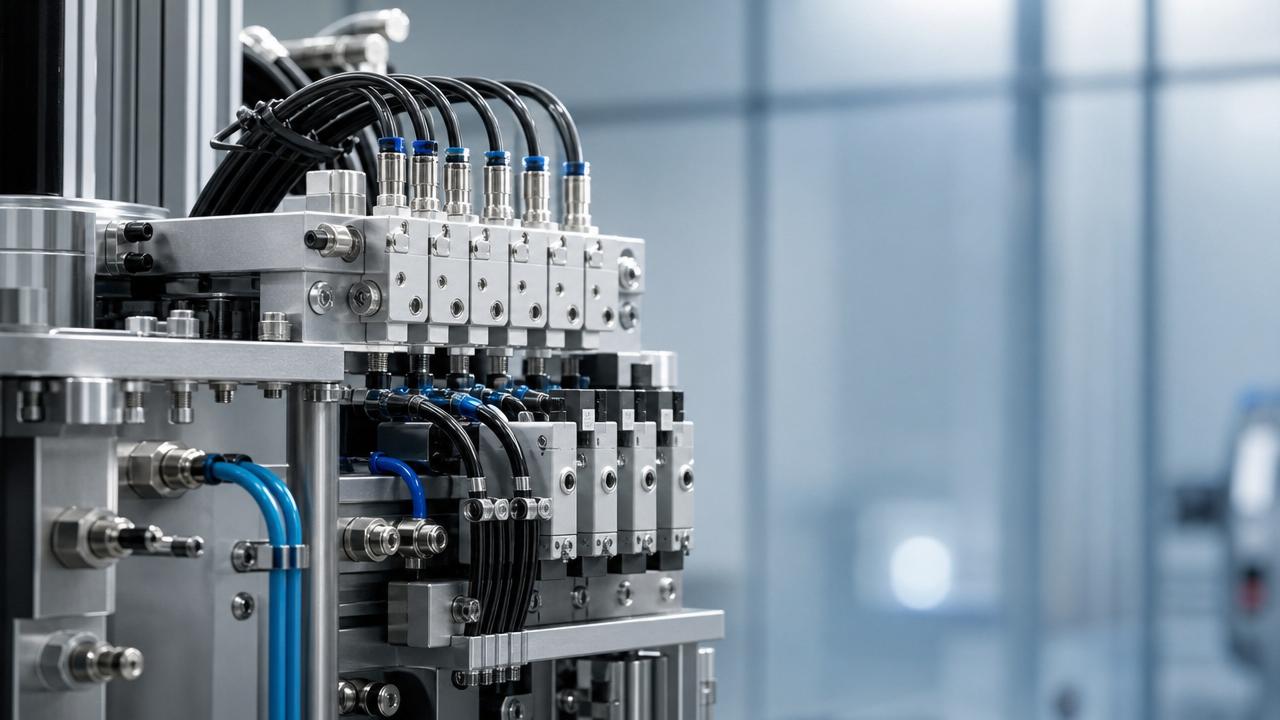
Many plants replace valves repeatedly without solving the root cause. The real issue may be poor filtration, incompatible seals, condensate, or line contamination. The right industrial solutions for pneumatics therefore include not only cylinders and valves, but also filtration, pressure regulation, fitting quality, and maintenance accessibility. If a unit is hard to isolate, clean, or swap, burden remains high even when the part itself is acceptable.
Electrical Components: Better Access Means Faster Recovery
Electrical downtime is expensive because diagnosis can be slow. Connectors, terminals, distribution hubs, and control interfaces should support quick inspection and secure reconnection. Components selected with suitable IP ratings, thermal stability, and documented compliance can reduce nuisance faults and lower the need for repeated tightening or retermination.
How Should Aftermarket Teams Compare Industrial Solutions Before Purchase?
The cheapest line item is rarely the cheapest maintenance outcome. To compare industrial solutions properly, aftermarket teams need a selection framework that reflects labor, downtime, replacement frequency, and compatibility risk. The table below can be used during sourcing, vendor review, or internal approval.
This comparison method helps shift procurement from price-only decisions to operational decisions. For maintenance teams, the best industrial solutions are those that can be specified with fewer unknowns, installed with fewer adjustments, and supported with fewer emergency purchases.
A Practical Selection Checklist
- Define the real failure mode first. Is the issue wear, misalignment, overheating, vibration, contamination, or operator handling?
- Map service constraints. Check access space, shutdown duration, available tools, skill level, and spare inventory limits.
- Compare lifecycle effort, not only item cost. Include inspection frequency, replacement labor, and production impact.
- Review standards and documentation early. This avoids delays caused by internal compliance or customer approval processes.
Which Scenarios Most Benefit From Better-Fit Industrial Solutions?
Some maintenance environments gain more than others from upgraded industrial solutions. The strongest results usually appear where service teams are under pressure from recurring stoppages, harsh conditions, and mixed equipment history. In these situations, better component decisions have a direct labor and uptime impact.
High-Vibration Equipment and Repetitive Motion Systems
Conveyors, automated handling units, stamping support systems, and motor-driven assemblies often suffer from fastener loosening, bracket shift, and connector fatigue. Here, industrial solutions should prioritize locking reliability, fatigue resistance, and easy verification during inspection rounds. A minor upgrade in retention method can eliminate frequent retightening tasks.
Wet, Corrosive, or Outdoor Installations
Water treatment, external electrical cabinets, process utility areas, and marine-adjacent facilities place heavy demands on coatings, seals, and housings. Aftermarket teams should review galvanic compatibility, ingress protection, and seal material performance. If corrosion causes seized fasteners or intermittent electrical contact, routine maintenance rapidly becomes reactive maintenance.
Automated Lines With Pneumatic Logic
In automated lines, a small leak or sticky actuator can trigger wider sequence errors. Industrial solutions that improve filtration, reduce leakage points, and maintain switching consistency can cut diagnostic time dramatically. GHTN’s attention to the logic control of pneumatic components is especially relevant here, because maintenance burden is often hidden in interaction effects rather than isolated part failure.
Mixed-Age Fleets and Legacy Systems
Older machines create sourcing problems. Documentation may be incomplete, dimensions may vary by region, and some original parts may be discontinued. In these cases, industrial solutions should emphasize standardization pathways, alternative materials, and replacement compatibility. Technical trade insight is valuable because it helps teams identify practical substitutes without increasing fitment risk.
What Technical Signals Usually Predict Lower Maintenance?
Maintenance teams do not always need advanced simulation data, but they do need a reliable set of technical signals. The following indicators can help predict whether industrial solutions will perform with lower service burden over time.
- Stable material behavior under expected temperature and chemical exposure, especially for seals, coatings, and insulating parts.
- Consistent dimensional tolerance, which matters for alignment, thread engagement, and tool fit.
- Predictable wear pattern rather than abrupt failure, allowing planned replacement during scheduled maintenance.
- Accessible interfaces for inspection, tightening, disconnection, or cleaning without large-scale disassembly.
- Availability of test reports, material declarations, and standard references that support internal validation.
This is where a component-focused portal like GHTN is useful. Instead of treating hardware, electrical parts, and mold-related precision items as isolated categories, it looks at manufacturing logic and physical behavior together. That helps maintenance teams understand not just what a component is, but how it is likely to behave after installation, repeated servicing, and exposure to real plant conditions.
How Do Cost and Alternatives Affect the Decision?
Cost pressure is real, especially for aftermarket departments managing broad inventories. But a low upfront price can become expensive when service intervals shrink or installation complexity rises. Industrial solutions should therefore be assessed with a simple total-maintenance-cost lens.
Useful cost questions include:
- How many labor hours will this choice add or save over one year?
- Will technicians need special tools, retraining, or modified procedures?
- Does the part reduce emergency stock needs by improving reliability or standardization?
- Is there a realistic alternative that offers easier sourcing with acceptable performance trade-offs?
Alternatives are not always downgrades. In some applications, switching from a specialized component to a more standardized one can reduce lead time and spare complexity without harming function. In other cases, paying more for a seal system, coating, or precision tool is justified because it prevents repeated intervention. The right answer depends on failure history, service frequency, and operating environment rather than list price alone.
What Standards and Compliance Points Should Maintenance Buyers Watch?
Standards matter because they affect interchangeability, safety, approval, and cross-border sourcing. Maintenance teams do not always control the original equipment design, but they do control whether replacement industrial solutions create new compliance headaches. It is wise to verify common references relevant to the component type and market destination.
Compliance is not only a legal or export issue. It is also a maintenance issue, because undocumented substitutions can delay repairs, complicate audits, or create future sourcing barriers. GHTN’s strength in tracking international electrical compliance trends and material-related decision factors can help buyers reduce that risk earlier in the process.
Common Mistakes That Increase Maintenance Burden
Many teams already know which machines fail most often, but not always why the burden persists. The following mistakes are common when industrial solutions are chosen too narrowly.
- Selecting by nominal size only, while ignoring vibration, media exposure, temperature swing, or duty cycle.
- Replacing like-for-like after every failure without investigating whether the original design choice was the problem.
- Purchasing isolated components without checking system compatibility, especially in pneumatic and electrical assemblies.
- Treating maintenance tools as secondary, even though poor tool fit often causes thread damage, over-torque, or inaccurate adjustment.
- Ignoring documentation quality, which later slows troubleshooting, approval, and alternate sourcing.
Reducing burden means breaking this cycle. Better industrial solutions are usually the result of better problem framing: not “What part replaces this one?” but “What choice will make this task happen less often, faster, and with lower risk?”
FAQ: What Do Maintenance Buyers Ask Most Often?
How do I know whether an industrial solution will really lower maintenance, not just shift cost?
Review three things together: failure frequency, replacement labor, and downtime consequence. If a higher-grade component extends service interval, shortens installation time, or avoids unplanned stoppage, it often lowers total burden even if unit price is higher. The key is to compare annual intervention effort, not only purchase cost.
Which industrial solutions are usually worth upgrading first?
Start with components that fail frequently and affect broader system stability: fasteners in vibration zones, seals and fittings in pneumatic lines, electrical connectors exposed to moisture or heat, and service tools that influence assembly accuracy. These categories often produce fast, measurable maintenance gains when upgraded intelligently.
What should I prepare before requesting a quotation or technical recommendation?
Provide the operating environment, duty cycle, existing component dimensions or interface details, known failure mode, preferred materials if required, and any compliance constraints. If possible, include photos, drawings, or maintenance notes. Better input leads to better industrial solutions and fewer clarification loops.
Are standardized parts always better for aftermarket maintenance?
Not always, but often. Standardized parts simplify stocking and replacement. However, they still need to match the real stress profile. A standard part with poor environmental fit will increase maintenance burden despite easier sourcing. Standardization is strongest when combined with proper material and performance selection.
Why Work With GHTN When Evaluating Industrial Solutions?
Maintenance teams often sit between urgent field problems and incomplete market information. GHTN helps close that gap by connecting granular component knowledge with manufacturing logic, technical trend analysis, and trade insight across hardware, electrical systems, and mold-related precision tooling. That matters when your decision affects uptime, service labor, and long-term replacement strategy.
If you are comparing industrial solutions for aftermarket use, you can consult GHTN on practical issues such as:
- Parameter confirmation for materials, dimensions, environmental exposure, and service conditions.
- Product selection across fasteners, precision tools, electrical components, and pneumatic-related assemblies.
- Lead time and sourcing discussion for replacement parts, alternatives, or multi-region supply planning.
- Custom solution evaluation where standard products do not fully match field constraints.
- Certification and compliance review based on target market or customer documentation needs.
- Sample support and quotation communication for trial validation before volume procurement.
When maintenance burden is high, the right question is not simply what to replace. It is what to replace it with so the problem returns less often. That is the value of better industrial solutions—and the reason a component-focused knowledge partner can make procurement more accurate, service work lighter, and asset performance more stable over time.
Related News