
Why does industrial automation technical analysis fail?

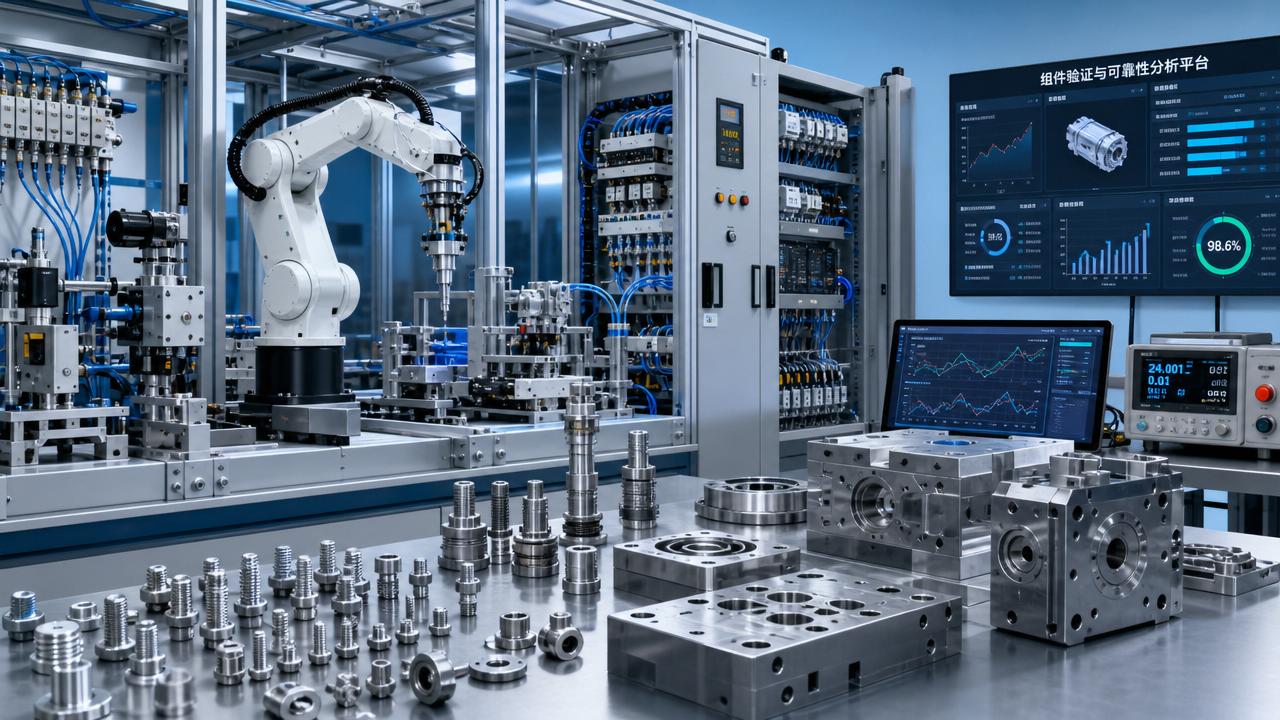
Industrial automation technical analysis often fails not because engineers lack data, but because the evaluation framework overlooks field constraints, component-level variability, compliance shifts, and the real behavior of tools, fasteners, electrical systems, and pneumatic controls under production pressure. For technical evaluators, understanding these failure points is essential to separate theoretical efficiency from measurable operational reliability. This article examines why automation assessments break down and how a more granular, manufacturing-focused approach can improve decision quality.
Where Industrial Automation Technical Analysis Starts to Break Down
A typical industrial automation technical analysis begins with cycle time, equipment capacity, control architecture, and return on investment. These are necessary, but they rarely capture the stress points that decide whether a line performs consistently.
Technical evaluators often receive clean supplier data, simulated throughput, and ideal maintenance assumptions. The production floor then adds vibration, dust, heat, tool wear, unstable air pressure, operator intervention, and batch variation.
The common gap between model and factory
- The model assumes stable component behavior, while real fasteners, bearings, molds, and pneumatic valves age differently under load.
- The business case uses average output, but high-mix manufacturing depends on changeover discipline, tooling repeatability, and setup accuracy.
- The control design appears compliant, yet electrical standards, regional certification rules, and customer audit requirements may change during deployment.
- The evaluation isolates machines, while actual performance depends on the interaction among mechanical tooling, electrical hubs, sensors, fixtures, and materials.
This is why industrial automation technical analysis should not be treated as a software-only or equipment-only review. It must evaluate the granular industrial components that carry the process.
Why Clean Data Produces Unreliable Automation Decisions
Data-driven evaluation is valuable, but data quality is frequently misunderstood. A dashboard can show machine uptime while hiding fixture drift, tool deflection, loose terminal contact, or compressed air instability.
The following comparison shows why industrial automation technical analysis must distinguish between simulated assumptions and production evidence before procurement approval.
The issue is not whether data exists. The issue is whether the data reflects the mechanical, electrical, and material conditions that govern daily operation.
Component-Level Variability: The Hidden Failure Driver
Many failed automation assessments treat components as interchangeable. In complex manufacturing, a fastener, cutter, connector, mold insert, or pneumatic fitting can alter the stability of the whole system.
GHTN focuses on this granular layer because industrial automation technical analysis becomes more accurate when the evaluator understands how base components behave under real production pressure.
Component questions evaluators should ask
- Will the selected fastener maintain preload under vibration, thermal cycling, or corrosive exposure?
- Does the cutting tool maintain edge stability across the full material tolerance range?
- Can electrical terminals, relays, and protection devices meet both process demand and destination-market compliance?
- Does the mold design account for micron-level dimensional change during heat transfer and repeated injection cycles?
- Will pneumatic components keep timing accuracy after pressure fluctuation, seal wear, or contamination?
When these questions are skipped, industrial automation technical analysis may approve an attractive design that later fails in commissioning or mass production.
How to Build a More Reliable Technical Evaluation Framework
A stronger framework connects process targets with component verification, supplier evidence, compliance review, and maintenance practicality. It should support procurement, engineering, quality, and production teams at the same time.
For technical evaluators, the following matrix can be used to structure industrial automation technical analysis before supplier selection or project approval.
This approach makes industrial automation technical analysis more useful for commercial decisions because it connects engineering findings to delivery risk, budget control, and supplier accountability.
Compliance and Standards: Why Late Review Creates Expensive Rework
Compliance is often reviewed after the core equipment selection. That timing is risky. A control cabinet, actuator, electrical protection device, or safety circuit may require redesign if standards are considered too late.
Industrial automation technical analysis should include commonly referenced frameworks such as ISO 12100 for machinery risk assessment, IEC 60204-1 for electrical equipment, and ISO 13849 for safety-related control systems when relevant.
Compliance checkpoints before purchase orders
- Confirm the destination market, because electrical markings, documentation language, and conformity expectations may differ by region.
- Review safety functions early, including emergency stop design, guarding logic, interlock behavior, and reset procedures.
- Check whether selected components have traceable documentation, especially for electrical protection, cables, terminals, sensors, and pneumatic safety valves.
- Align supplier drawings with internal audit requirements before final acceptance tests, not after shipment.
For global OEMs and distributors, compliance gaps can be as damaging as mechanical failure. They delay market entry and weaken customer confidence.
Procurement Decisions: What Technical Evaluators Should Prioritize
Procurement pressure often pushes teams toward the lowest equipment price. Yet automation cost is distributed across commissioning, tooling, spares, downtime, certification, operator training, and process adjustment.
A practical industrial automation technical analysis should translate engineering evidence into purchasing priorities that can be defended during budget review.
The best purchasing decision is not the cheapest line. It is the line whose risks are visible, measurable, and manageable before the contract is signed.
Implementation Flow for Better Automation Assessment
A dependable assessment process should move from requirements to validation, not from quotation to installation. Early discipline reduces late engineering disputes and supplier ambiguity.
Recommended evaluation sequence
- Define production scenarios, including product mix, tolerances, materials, shift pattern, available utilities, and target market requirements.
- Map the critical components that influence output, such as molds, cutters, fasteners, electrical devices, sensors, and pneumatic actuators.
- Request evidence that matches the real application, including sample testing, maintenance assumptions, and failure mode analysis.
- Review compliance documents, safety design, and electrical architecture before finalizing the supplier scope.
- Compare quotations using total operating risk, not only line price, rated speed, or advertised automation level.
This sequence turns industrial automation technical analysis into a decision tool. It supports engineering precision while giving procurement a clearer basis for negotiation.
FAQ: Practical Questions About Industrial Automation Technical Analysis
How early should industrial automation technical analysis begin?
It should begin before supplier shortlisting. If analysis starts after quotations arrive, evaluators may be forced to compare incomplete scopes, inconsistent component choices, and different compliance assumptions.
What is the most common mistake in automation evaluation?
The most common mistake is accepting rated performance as operational performance. Technical evaluators should verify output under expected material variation, tooling wear, maintenance limits, and operator workflow.
Should component selection be part of automation analysis?
Yes. Industrial automation technical analysis is incomplete without component review. Fasteners, molds, electrical hubs, pneumatic controls, and mechanical tools can determine repeatability, safety, and lifecycle cost.
How can evaluators manage tight delivery schedules?
They should identify long-lead components early, confirm substitute options, freeze critical specifications, and separate essential commissioning tests from optional optimization work.
Why Work with GHTN for Granular Industrial Insight
GHTN helps technical evaluators look beneath surface-level automation claims and examine the industrial parts that shape real performance. Our focus covers mechanical tools, electrical systems, fasteners, molds, and pneumatic components.
Through technology trend analysis and trade insight, GHTN connects manufacturing logic with sourcing reality. This is valuable when teams must balance budget, delivery, certification, durability, and production flexibility.
Consult us when you need clarity on:
- Parameter confirmation for tools, fasteners, molds, electrical components, or pneumatic control elements used in automated lines.
- Product selection support when different suppliers present conflicting performance claims or incomplete technical documents.
- Delivery-cycle assessment for critical components, spare parts, tooling packages, and customized industrial assemblies.
- Certification and compliance review for export-oriented projects, including documentation expectations and standard references.
- Quotation communication, sample support, and custom solution discussion for precision manufacturing applications.
If your industrial automation technical analysis needs a more reliable component-level foundation, GHTN can help you evaluate risks before they become commissioning delays or operating losses.
Linking Precision, Tooling the Future means turning hidden industrial details into clearer decisions. Contact GHTN to discuss technical parameters, supplier evidence, compliance needs, and practical sourcing paths for your next automation project.
Related News