
Why industrial collaboration is reshaping supply chains

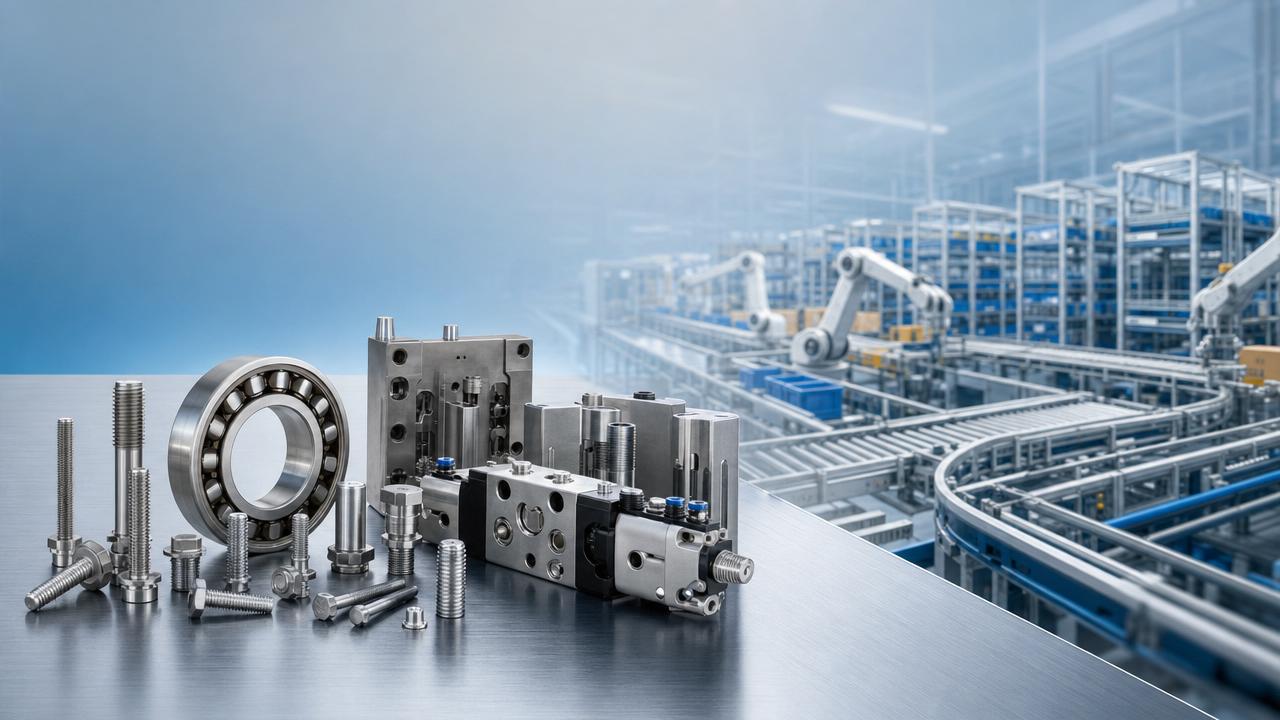
Industrial collaboration is no longer a strategic option—it is becoming the operating model for resilient, intelligent supply chains.
As OEMs, toolmakers, component suppliers, and distributors face volatile demand, shared data and cross-border partnerships are redefining industrial value creation.
The shift is clear: supply chain advantage now depends on connected expertise, reliable components, and market intelligence working as one coordinated ecosystem.
Industrial Collaboration as a Supply Chain Operating Model
Industrial collaboration describes structured cooperation across companies, technical teams, standards bodies, digital platforms, and logistics networks.
It goes beyond transactional purchasing. It connects design decisions, material selection, production capacity, quality control, and market entry planning.
In practical terms, industrial collaboration turns fragmented supply chains into shared systems of insight, accountability, and response.
For precision industries, this shift is especially important. A fastener, mold insert, relay, bearing, or pneumatic valve may determine system reliability.
When these parts are specified in isolation, supply risk increases. When selected through industrial collaboration, performance and availability improve together.
The Global Hardware & Tooling Network views this change from the granular core of industry.
Every precision mold, durable fastener, electrical hub, and mechanical tool contributes to larger industrial systems.
Industrial collaboration links these hidden elements with high-end market demand, compliance requirements, and long-term competitiveness.
Current Signals Reshaping Global Supply Chains
Several forces are accelerating industrial collaboration across hardware, electrical, tooling, and mold sectors.
These forces affect sourcing models, production planning, certification pathways, and technical communication.
These signals show why industrial collaboration has moved from discussion to daily execution.
A disconnected supply chain reacts late. A collaborative supply chain detects stress earlier and adjusts with better information.
Why Collaboration Matters in Component-Level Decisions
Supply chain resilience often depends on decisions made at the component level.
A fastening material may affect corrosion resistance. A mold design change may influence cycle time and defect rates.
An electrical connector may determine compliance readiness. A pneumatic component may affect automated line stability.
Industrial collaboration brings these details into shared decision-making before problems reach production or delivery.
This is where specialist networks create practical value. Knowledge about materials, standards, tooling, and regional trade becomes actionable.
- Mechanical tool expertise supports cutting efficiency, durability, and process stability.
- Electrical system knowledge improves compliance alignment and safety documentation.
- Mold design insight reduces micron-level variation and production uncertainty.
- Trade intelligence improves market entry timing and supplier evaluation.
Industrial collaboration also reduces the cost of hidden errors.
When component data, performance evidence, and application context are shared, fewer assumptions remain in the sourcing process.
Business Value Across the Industrial Ecosystem
The value of industrial collaboration can be measured through speed, quality, flexibility, and risk control.
It enables better coordination between product development, factory execution, logistics planning, and aftermarket support.
In the hardware and tooling sectors, this coordination has direct financial meaning.
A qualified alternate supplier can reduce downtime. A shared test report can shorten approval cycles.
A standardized component library can improve design reuse. A transparent capacity plan can prevent urgent premium freight.
This value does not come from communication alone.
It comes from structured industrial collaboration supported by data discipline, technical depth, and clear decision ownership.
Typical Collaboration Scenarios in Industrial Supply Chains
Industrial collaboration appears in many practical scenarios, from early design to market expansion.
The following categories show where collaboration often produces the strongest results.
These scenarios show that industrial collaboration is not limited to digital platforms.
It combines technical evidence, commercial alignment, and operational timing.
When these elements align, complex supply chains become easier to manage and improve.
Data, Standards, and Trust as Core Enablers
Industrial collaboration depends on trust, but trust must be supported by usable data.
Component drawings, test results, certificates, process parameters, and delivery records should be structured for quick interpretation.
Unstructured files and inconsistent naming slow collaboration and increase error risk.
Standards also matter. Electrical compliance, mechanical tolerances, surface treatment rules, and material declarations require disciplined tracking.
In cross-border supply chains, industrial collaboration helps translate regulatory expectations into production-ready requirements.
- Use consistent part numbers, revision codes, and document ownership rules.
- Link certificates to batches, suppliers, test methods, and expiration dates.
- Track engineering changes with clear approval and implementation milestones.
- Create shared dashboards for lead time, quality, and risk indicators.
These steps make industrial collaboration more repeatable.
They also reduce dependency on informal knowledge held by a few individuals.
Practical Steps for Building Collaborative Supply Chains
A strong collaboration model should start with specific supply chain pain points.
Common starting points include long approval cycles, unstable component quality, limited alternate sources, or unclear compliance documentation.
Industrial collaboration becomes more effective when each pain point is linked to measurable action.
- Map critical components by risk, value, lead time, and substitution difficulty.
- Identify knowledge gaps in materials, tooling, electrical compliance, or mold design.
- Build verified supplier profiles with capability, certification, and performance data.
- Create shared review cycles for demand changes, quality trends, and technical updates.
- Measure outcomes through defect reduction, approval speed, inventory stability, and delivery reliability.
The goal is not to collaborate on everything.
The goal is to focus industrial collaboration where uncertainty, precision, or strategic dependency is highest.
Common Risks and Control Points
Poorly managed industrial collaboration can create confusion instead of clarity.
Too many participants, unclear data rights, or weak governance may slow decisions.
Effective collaboration requires rules for access, confidentiality, validation, and escalation.
The best control systems are simple, visible, and connected to real operational decisions.
They keep industrial collaboration practical rather than bureaucratic.
The Role of GHTN in a Collaborative Industrial Network
GHTN supports industrial collaboration by connecting component-level expertise with broader trade and technology insight.
Its focus spans mechanical tools, electrical hubs, mold manufacturing, fasteners, pneumatic components, and precision production resources.
This perspective helps link hidden specialist capabilities with application demand and global market pathways.
Through technical trend analysis and trade insights, GHTN supports more informed industrial collaboration across complex value chains.
The mission is aligned with the Stitch Principle: connect niche excellence directly with high-value industrial requirements.
This approach supports standardization, greener component choices, and stronger competitiveness for specialized industrial enterprises.
Next Steps for More Resilient Supply Chains
Industrial collaboration is reshaping supply chains because isolated optimization is no longer enough.
Resilience now depends on connected technical knowledge, transparent component data, and coordinated market response.
Start by selecting one critical component family, one compliance bottleneck, or one high-risk sourcing route.
Then build a focused collaboration loop with clear data, responsible participants, and measurable improvement targets.
With the right structure, industrial collaboration becomes a repeatable capability rather than a crisis response.
GHTN continues to link precision, technical intelligence, and global industrial opportunity—tooling the future through connected supply chain ecosystems.
Related News