
Greening Components Explained: Materials, Compliance Standards, and Use Cases

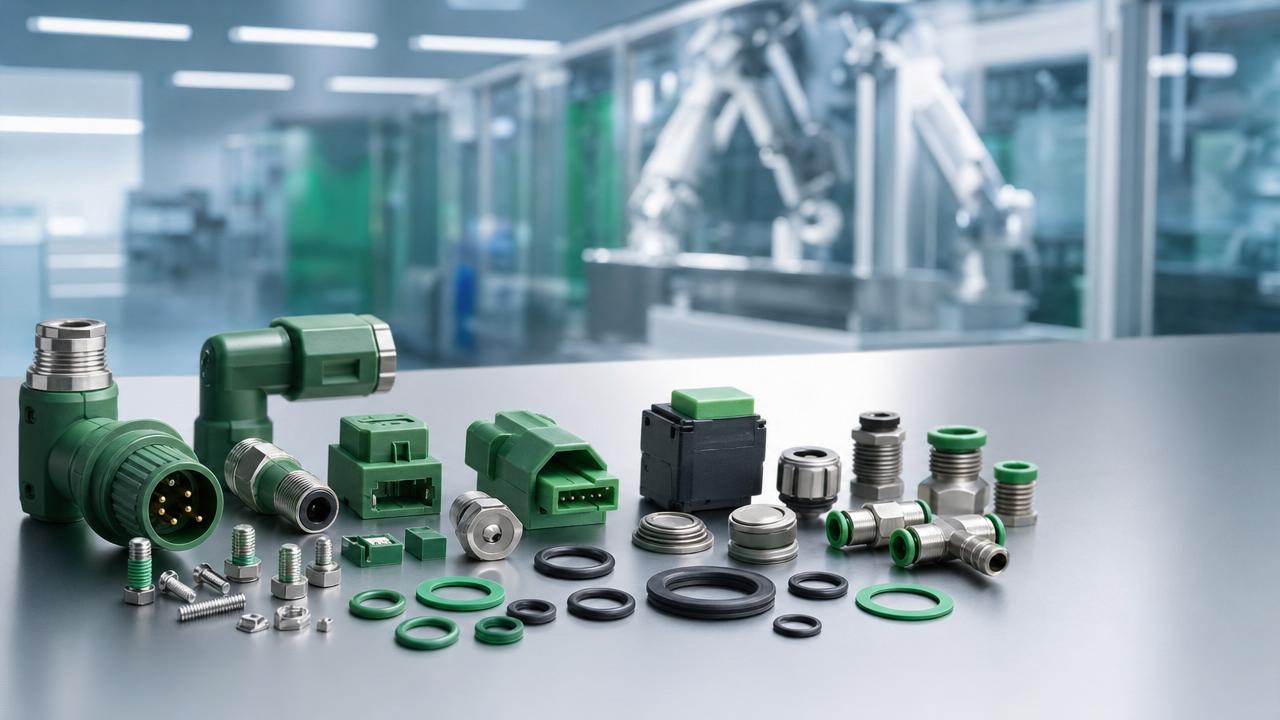
Greening components have moved from a niche technical topic to a practical business issue across industrial supply chains. In tools, electrical systems, molds, fasteners, and pneumatic products, material choices now affect compliance, export access, product reputation, and long-term sourcing stability. That is why understanding greening components means more than using “eco-friendly” materials. It means knowing how substances, standards, processes, and applications connect in real products.
What greening components really means
In industrial practice, greening components are parts designed, selected, or manufactured to reduce environmental impact and regulatory risk. The idea covers both the component itself and the way it fits into a wider product lifecycle.
That usually includes lower hazardous substance content, better recyclability, improved energy efficiency, and cleaner production control. It also includes traceability, because claims about sustainability must be backed by data.
A connector, fastener coating, switch housing, mold steel treatment, or pneumatic seal can all become part of a greening strategy. In many cases, the component looks ordinary, but its compliance profile is very different.
Why the topic matters now
Several pressures are converging. Environmental regulations are tightening. Customers are asking for documented compliance earlier in the sourcing process. Export markets are also screening materials more closely.
At the same time, supply chains are becoming more transparent. A problem with plating chemistry, flame retardants, plastic additives, or surface treatment can delay shipments and trigger costly redesigns.
For an industry platform such as GHTN, this topic sits at the center of product knowledge and market access. It affects component selection, manufacturing analysis, supplier comparison, and global trade readiness across multiple categories.
Materials are the starting point
Most discussions about greening components begin with materials, and for good reason. Material composition determines whether a part can satisfy chemical restrictions, recycling requirements, and customer specifications.
Metals and surface treatments
In fasteners, tooling, and electrical hardware, base metals may perform well but coatings often create the main compliance risk. Hexavalent chromium, lead-containing finishes, and certain passivation systems remain common review points.
A greening approach may involve trivalent chromium, zinc-nickel alternatives, controlled phosphate processes, or lower-impact finishing routes. The right option depends on corrosion needs, cost, and end-market rules.
Plastics, elastomers, and additives
Electrical connectors, switches, seals, valve components, and tool housings rely heavily on polymers. Here, attention often shifts to halogens, phthalates, brominated flame retardants, and plasticizer choices.
Greening components in this category may use halogen-free compounds, recycled engineering plastics, or more stable additive packages. Still, material substitution must not weaken heat resistance, insulation, or sealing performance.
Packaging and secondary materials
A component may meet all material rules and still create problems through labels, inks, bags, foams, or pallets. Secondary materials are often overlooked until an audit or shipment review.
Compliance standards shape market access
No single standard defines all greening components. Instead, different regulations and customer frameworks apply depending on product type, destination, and industrial use.
Compliance is not only about passing a lab test once. It requires supplier declarations, bill of materials control, change management, and periodic review. This is where many greening components programs either become reliable or break down.
Where greening components show up in practice
Across GHTN-related categories, the use cases are broad and highly practical. The same logic applies differently depending on function, environment, and market destination.
Electrical components
Circuit breakers, connectors, switches, terminals, and cable accessories often face the most visible compliance checks. RoHS, REACH, and flame retardant selection are common review areas.
Here, greening components help reduce non-compliance risk while supporting product acceptance in global equipment markets.
Tools and tooling
Hand tools, power tools, cutting tools, molds, and stamping tools involve metals, coatings, oils, grips, and packaging. Environmental performance may depend more on treatment processes than on the core structure.
A mold with better process chemistry control or a tool with lower-impact surface finishing can become more export-ready without changing its core function.
Fasteners and assembly hardware
Bolts, screws, anchors, and rivets seem simple, yet coating systems, lubrication layers, and packaging often decide whether they qualify as greening components.
Pneumatic products
Air cylinders, valves, compressors, and fittings raise additional questions about seal materials, lubricants, energy efficiency, and maintenance life. Greening components in pneumatic systems can support both compliance and lower operating waste.
How to evaluate greening components without oversimplifying
A useful evaluation does not stop at “green” claims. It compares technical suitability, regulatory evidence, and supply chain consistency at the same time.
- Check the material declaration, not only the marketing sheet.
- Review coatings, adhesives, inks, and additives separately.
- Confirm whether test data matches the exact part number.
- Ask how material changes are controlled after approval.
- Compare compliance needs by destination market and application sector.
- Balance environmental targets with performance, durability, and cost.
This balanced view matters because greening components are rarely judged on one factor alone. A cleaner material that shortens service life may not improve the real sustainability outcome.
Common gaps that create risk
Many compliance problems do not come from major design errors. They come from smaller disconnects between sourcing, engineering, quality, and documentation.
One common issue is assuming all versions of a component share the same compliance status. A plating change, resin substitution, or supplier switch can alter the entire profile.
Another issue is relying on outdated declarations. Standards evolve, SVHC lists change, and customer requirements often move faster than internal files. Greening components need active review, not one-time verification.
What a practical next step looks like
The most effective starting point is usually a component-level map. Identify which parts carry the highest material complexity, export exposure, or customer compliance pressure.
From there, build a short review framework around material composition, applicable standards, supplier evidence, and change-control discipline. This makes greening components easier to compare across product categories.
For businesses tracking industrial tools, electrical parts, molds, fasteners, and pneumatic systems, the value is clear: better decisions come from clearer component intelligence. The next move is not to label everything as green, but to define which requirements matter, which parts are exposed, and which evidence supports confident action.
Related News