Industrial Digitalization in Manufacturing: Which Processes to Automate First

Industrial Digitalization in Manufacturing: Which Processes to Automate First
Industrial digitalization is no longer a future concept for manufacturers. It is now a practical way to improve cost, speed, quality, and resilience.
The harder question is not whether to automate. It is where to start so investment produces visible gains without disrupting the entire operation.
In real factories, the best starting point is rarely the most advanced technology. It is usually the process with repeatable work, measurable delays, and clear business impact.
That is why industrial digitalization should begin with process selection, not technology selection. Good priorities create momentum. Poor priorities create expensive frustration.
For manufacturers across tooling, fasteners, electrical components, molds, and pneumatic products, the pattern is similar. Early wins usually come from planning, quality, material movement, and data visibility.
This article explains which processes to automate first, how to rank them, and what risks to manage so industrial digitalization supports real operational results.
Start With Business Friction, Not Technology Hype
A smart industrial digitalization strategy starts by identifying friction points. These are the daily issues that slow output, increase waste, or create avoidable management effort.
Typical examples include manual production scheduling, paper-based inspections, inventory uncertainty, machine downtime, and repeated data entry between disconnected systems.
From a decision perspective, the first automation targets should meet four conditions. They should be frequent, labor-intensive, error-prone, and linked to financial outcomes.
- High repetition across shifts or product lines
- Strong effect on throughput, scrap, or delivery
- Easy data capture before and after automation
- Manageable integration with current equipment
This approach keeps industrial digitalization grounded in operations. It also helps teams justify investment using numbers instead of assumptions.
The Best Processes to Automate First
Not every process delivers the same return. Some areas create faster payback because they influence multiple departments at once.
1. Production Planning and Scheduling
Manual scheduling is often the hidden bottleneck in manufacturing. It becomes worse when order mix changes, machine capacity shifts, or urgent jobs interrupt normal flow.
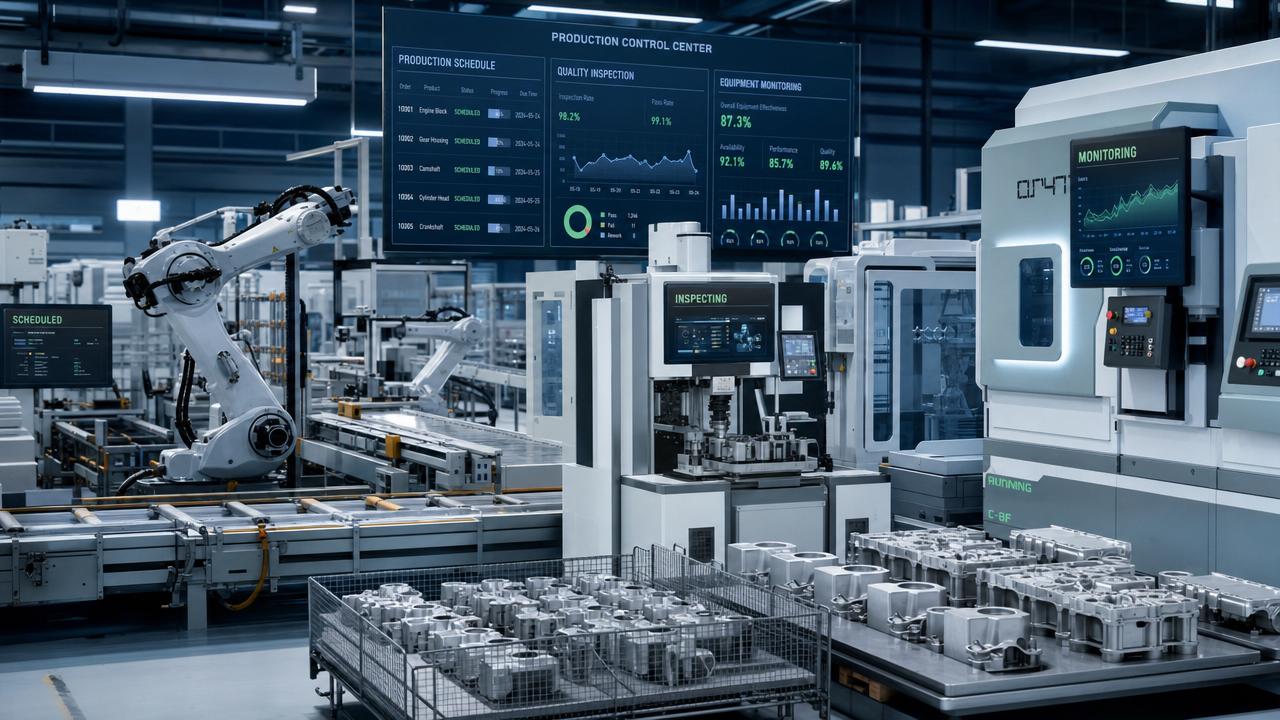
Automating planning through digital scheduling tools can improve line balance, reduce idle time, and shorten response time to customer demand changes.
In mold shops or fastener production, scheduling automation can also improve setup sequencing. That lowers changeover waste and protects delivery reliability.
2. Quality Inspection and Traceability
Quality is a strong starting point for industrial digitalization because defects are costly, visible, and measurable. Manual checks also depend too heavily on individual experience.
Digital inspection systems, vision tools, and traceability records can reduce missed defects, support root-cause analysis, and strengthen customer confidence.
This matters in electrical components, tooling, and precision molds, where tolerance control and batch documentation directly affect compliance and downstream performance.
3. Material Handling and Internal Logistics
Material movement looks simple, but it often hides lost time. Operators wait for parts, forklifts make unnecessary trips, and work-in-progress builds up between stations.
Automating internal logistics through barcode tracking, digital pick lists, sensors, or guided transport systems improves flow and increases labor productivity.
For plants handling heavy tooling, compressed air assemblies, or mixed component inventory, this step often delivers immediate operational clarity.
4. Machine Monitoring and Maintenance
A machine that stops unexpectedly damages output far beyond the maintenance department. It affects labor allocation, customer deadlines, and inventory timing.
Industrial digitalization can connect machines to dashboards that track uptime, cycle time, temperature, vibration, and fault frequency in real time.
This does not require a full smart factory from day one. Even basic monitoring can reveal recurring losses and support preventive maintenance decisions.
5. Inventory and Procurement Coordination
Stock errors are expensive because they create both shortages and excess. In many factories, purchasing still reacts too late because inventory data is delayed or incomplete.
Automated inventory tracking helps purchasing teams align raw materials, standard components, and safety stock with actual production demand.
This is especially useful when managing imported hardware, custom tooling parts, or multi-source electrical items with long lead times.
How to Prioritize Industrial Digitalization Projects
A clear ranking model helps avoid scattered spending. In practice, the best industrial digitalization roadmap balances quick wins with long-term process value.
A simple evaluation matrix can make decisions more objective. Score each candidate process using the criteria below.
When several options score closely, choose the one with the cleanest implementation path. Early success matters because it builds trust across operations, finance, and engineering.
Common Mistakes That Slow Down Results
Many industrial digitalization projects fail for predictable reasons. The issue is usually not software capability. It is poor scope control or weak process alignment.
- Automating a broken process without redesigning the workflow
- Launching too many systems at the same time
- Ignoring operator adoption and training needs
- Choosing tools that cannot connect to existing data sources
- Tracking activity metrics instead of business outcomes
A more effective path is to automate one operational pain point, validate results, and then extend the model. This keeps industrial digitalization disciplined and sustainable.
It also helps leadership distinguish between digital visibility and real transformation. Seeing data is useful. Improving decisions with that data is the real value.
A Practical First-Step Roadmap
If the goal is practical progress, a phased roadmap works better than a large-scale rollout. Industrial digitalization should move at the speed the organization can absorb.
- Map the current process and quantify delays, errors, and labor time.
- Select one process with high repetition and clear financial impact.
- Define baseline metrics such as cycle time, scrap, uptime, or picking accuracy.
- Deploy a focused digital tool with limited scope and responsible ownership.
- Review outcomes after a fixed period and standardize the lesson learned.
- Expand only after the first use case proves operational value.
This sequence is practical for diverse industrial sectors. It works for component makers, contract manufacturers, tooling workshops, and assembly plants with mixed automation maturity.
From a market perspective, the stronger signal is clear. Buyers, suppliers, and manufacturing partners increasingly expect faster data, more stable quality, and better traceability.
That means industrial digitalization is not just an internal efficiency project. It also shapes competitiveness, supplier credibility, and responsiveness in global industrial trade.
Conclusion
The best place to begin industrial digitalization is where process pain, measurable waste, and operational value clearly meet. For most manufacturers, that starts with planning, quality, logistics, maintenance, or inventory.
The goal is not to automate everything at once. The goal is to automate the right process first, prove results, and build a stronger digital model from there.
When manufacturers take that disciplined route, industrial digitalization becomes easier to scale, easier to justify, and far more likely to improve real business performance.
Related News