
UL Sets AI Checks for Smart Breaker Certification

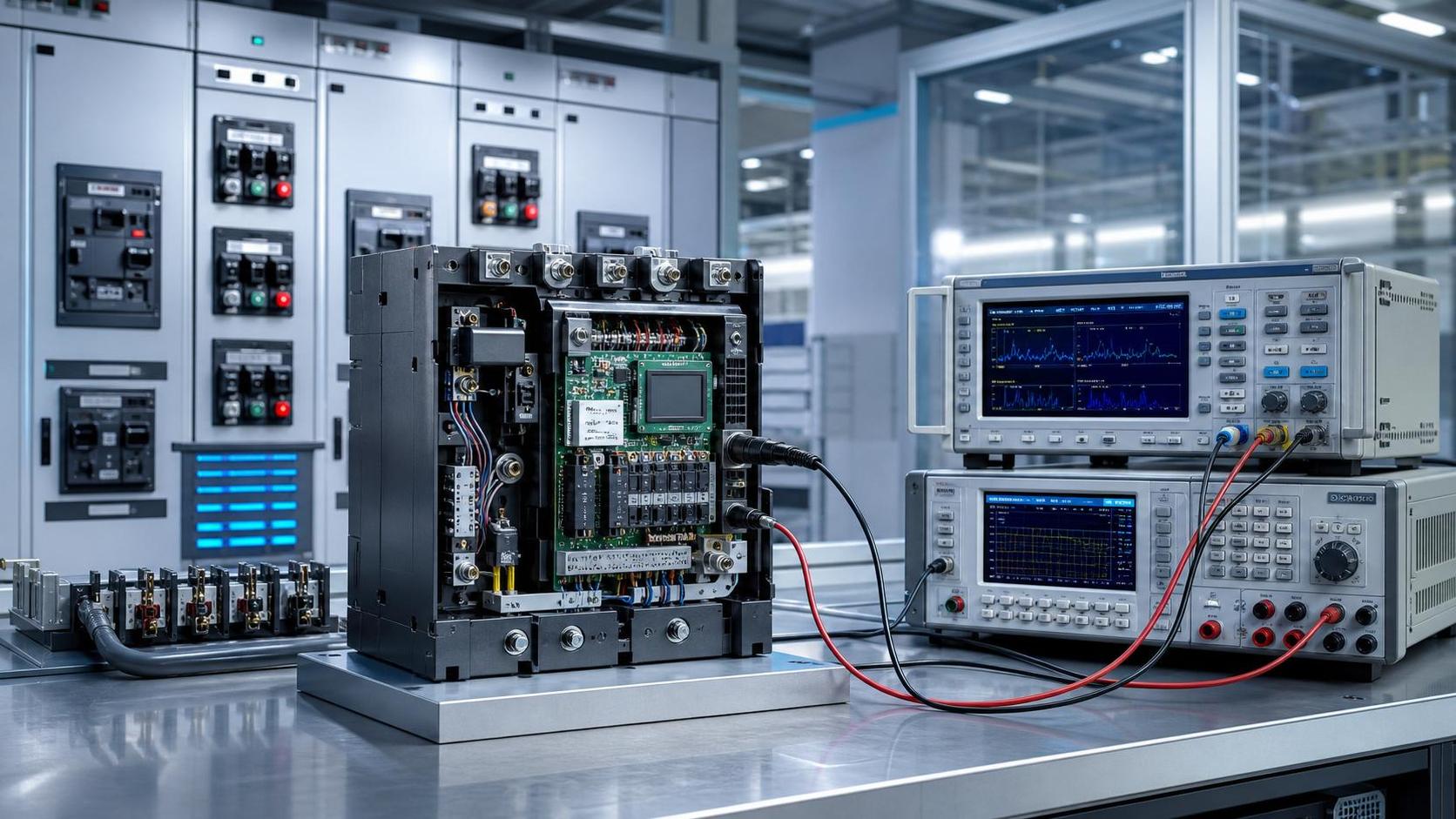
On 5 July 2026, UL Solutions announced a new certification pathway for smart circuit breakers that use embedded AI decision logic, turning AI verification into a defined compliance issue rather than a product feature discussion. From 1 January 2027, products seeking UL 67 and UL 489 certification will face added scrutiny over edge AI model integrity, training data provenance, and fail-safe behavior under cyber-physical stress tests. For manufacturers, certification teams, buyers, and testing partners serving North America, Australia, and GCC markets, this is worth close attention because it can affect product qualification, documentation readiness, lab coordination, and delivery planning.
What the new certification pathway formally changes
According to the information provided, UL Solutions introduced a new certification pathway on 5 July 2026 for smart circuit breakers that include embedded AI decision logic such as predictive trip and load anomaly detection.
The stated change is that, starting on 1 January 2027, UL 67 and UL 489 certifications will require independent verification in three areas: edge AI model integrity, training data provenance, and fail-safe behavior under cyber-physical stress tests.
The information provided also states that this change affects global manufacturers supplying smart breakers to North America, Australia, and GCC markets, and that AI model documentation and validation through UL-accredited labs will be required.
Where the compliance impact is likely to appear first
For manufacturers integrating AI into breaker functions
Analysis shows the most direct impact will fall on manufacturers whose smart breakers rely on embedded AI for operating decisions. The immediate pressure point is not only product design, but also whether technical files can support independent verification of model integrity and training data provenance. In practice, these companies need to pay close attention to certification preparation, model-related documentation, and coordination with UL-accredited validation labs before market access or shipment planning is finalized.
For export and market access teams handling regulated deliveries
From an industry perspective, exporters serving the affected markets may need to treat AI-related certification readiness as part of the delivery gate. Where a product previously centered its compliance file on electrical and safety certification alone, the new pathway indicates that supporting records for embedded AI behavior may become part of qualification review. That creates a practical link between compliance status, shipment timing, customer acceptance, and bid or contract documentation.
For buyers, specifiers, and project procurement functions
Observably, procurement teams sourcing smart breakers for projects in the affected markets may need to review whether supplier qualification criteria, technical specifications, and acceptance documents reflect the new certification pathway. The commercial issue here is less about pricing in isolation and more about whether a supplier can produce the required AI model documentation and complete validation through an eligible lab in time for procurement and delivery schedules.
For testing and certification support providers
The information provided points directly to a larger role for UL-accredited validation labs. Analysis shows testing service providers and certification support firms will need to align their workflows with the new verification expectations, particularly where clients need evidence related to model integrity, data provenance, and fail-safe behavior. The operational effect is likely to be seen in document review, lab scheduling, and certification sequencing.
What companies should monitor before the 2027 start date
Documentation is becoming part of product readiness
What deserves closer attention is that AI model documentation is expressly referenced in the supplied information. Companies with affected products should therefore review whether their existing technical files can clearly support certification review, especially where model behavior and training data traceability are involved. This should be understood as a compliance preparation issue, not only an engineering recordkeeping matter.
Validation capacity may affect certification timing
Analysis shows the requirement for UL-accredited validation labs could influence certification lead times and internal launch schedules. Because the input does not provide execution detail, it would be premature to state how large that effect will be. Still, companies planning new certifications or renewals should watch lab access, submission timing, and the order in which testing and documentation reviews may need to occur.
Market-facing files may need revision
From an industry perspective, businesses should examine tender materials, product declarations, technical submittals, and customer compliance packs for smart breakers sold into the affected markets. If the certification pathway changes what evidence is expected, market-facing documents may need to be updated so that sales, bidding, and delivery teams are not working from outdated compliance assumptions.
Execution details still need follow-up
Observably, the announcement establishes the direction of travel, but the supplied information does not set out a full execution framework. Companies should therefore continue monitoring how the certification requirement is described in practice, including any later clarification on review scope, submission expectations, or supporting test evidence.
Why this looks like an execution signal, not just a technology headline
Analysis shows this development is more appropriately understood as a certification rule change tied to market access than as a general statement about AI adoption. The key point is that embedded AI in smart circuit breakers is being brought into a defined verification process connected to UL 67 and UL 489 certification from a stated future date.
At the same time, this should not yet be treated as a fully mapped implementation outcome across every business process. Observably, the confirmed information sets the requirement direction and timing, while the practical interpretation for documentation depth, lab workflow, customer acceptance language, and procurement handling still deserves continued attention.
How the market is likely to read this announcement for now
In practical terms, the announcement signals that certification for smart breakers with embedded AI is moving toward a more formal compliance threshold. That matters because it connects AI design choices with testability, documentation, and recognized validation capacity.
A measured reading is therefore the most appropriate one. This is not merely background industry noise, but it is also not a basis for assuming uniform market outcomes before more execution detail is visible. For now, it is better understood as a concrete compliance signal with a defined start date, alongside an ongoing need to watch how certification practice, procurement requirements, and industry responses develop.
Basis of this article and what still needs verification
This article is based on the user-provided news title, event date, and event summary. In reporting and assessing changes of this kind, the source types typically relevant would include official announcements, regulatory or trade authority releases, industry association updates, standards organization documents, certification body communications, and reporting from established industry media.
No specific official source link was provided in the input, so the underlying announcement text and any later supporting documents still need to be verified on an ongoing basis. What remains worth monitoring includes later certification guidance, implementation language, tender document changes, market feedback, and how affected companies adjust their compliance and delivery arrangements.