
Cutting Tool Wear Patterns That Change Machining Results

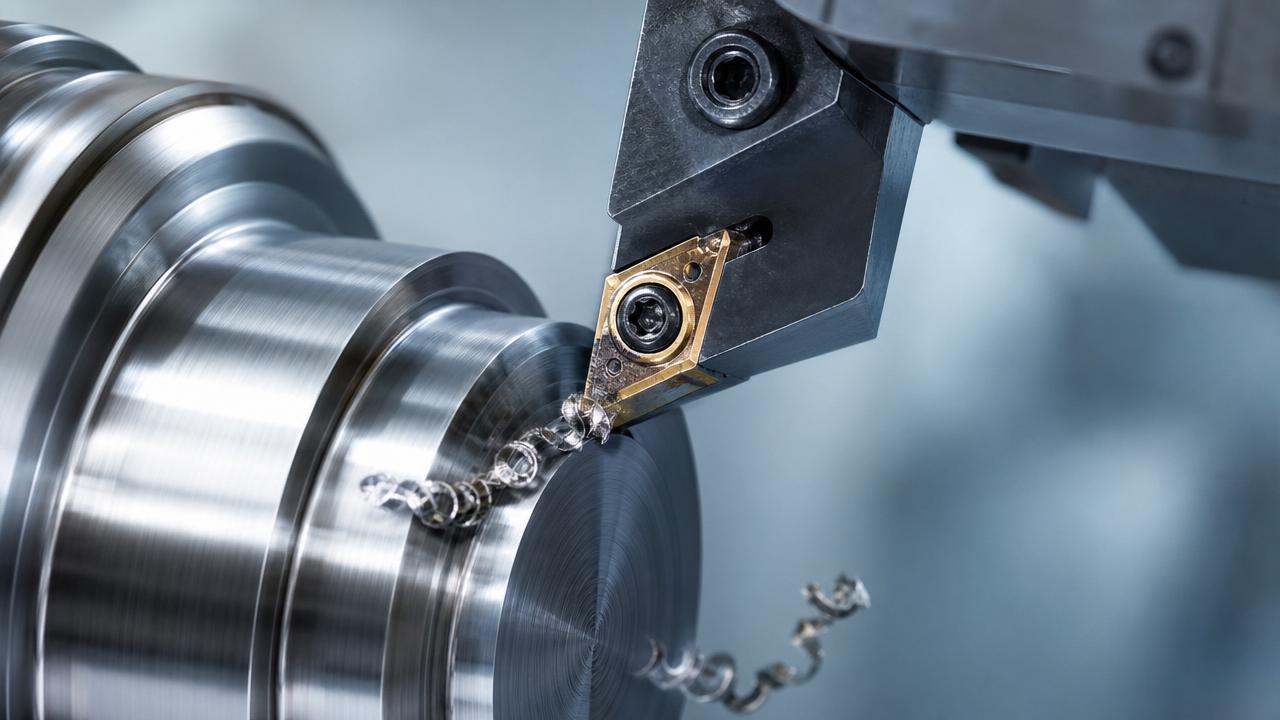
Cutting tool wear patterns can quietly shift machining accuracy, surface finish, cycle time, and overall part quality before operators notice obvious failure. This technical analysis of cutting tools introduces the wear signals that matter most, helping users and machine operators recognize early changes, reduce unexpected downtime, and make smarter tooling decisions that improve consistency, cost control, and production results.
Understanding wear patterns in practical machining
In daily production, tool wear is not simply a sign that a cutter is old. It is a process that reflects heat, friction, cutting speed, feed rate, material hardness, coating quality, machine rigidity, coolant strategy, and chip evacuation. For operators, this means that wear is a readable signal. A proper technical analysis of cutting tools does not begin when a tool breaks. It begins when small changes appear on the edge, the flank, the rake face, or the nose radius, because those changes often explain why machining results start drifting.
Across general industry, from automotive components and electrical hardware to mold machining and precision fastener production, even minor wear can alter dimensions and repeatability. A worn tool may still cut, but it can gradually increase cutting force, generate more heat, worsen burr formation, and create unstable surface quality. In high-mix environments, these issues are easy to misread as machine instability or material variation. That is why operators benefit from a structured technical analysis of cutting tools that connects visible wear with process outcomes.
Why the industry pays close attention to tool wear
Modern manufacturing depends on precision under pressure. Shops are expected to produce tighter tolerances, shorter lead times, and better traceability while controlling tooling cost. In this context, wear patterns matter because they influence more than tool life alone. They affect machine load, energy use, inspection frequency, rework rates, scrap levels, and delivery confidence.
For sectors followed by GHTN, including mechanical tooling, electrical component production, and mold manufacturing, the connection is direct. A mold cavity with poor finish may increase polishing time. A threaded fastener made with unstable tooling may fail fit checks. A precision slot in an electrical housing may drift from tolerance because flank wear progressed too far before a scheduled offset adjustment. The value of a technical analysis of cutting tools is that it helps operators and production teams see these links early rather than after quality losses appear.
Main wear types and what they usually indicate
Different wear patterns form for different reasons. Understanding them gives operators a practical language for diagnosing process behavior.
This classification is useful because not all wear is equally dangerous. Uniform flank wear can be manageable and predictable. Random chipping is not. A good technical analysis of cutting tools separates acceptable wear progression from wear modes that signal immediate process risk.
How wear patterns change machining results
Operators usually notice wear through results before they see it under magnification. One of the first signs is dimensional change. As flank wear grows, the effective cutting geometry changes, and the tool may push more than cut, especially in finishing passes. This can lead to oversized holes, taper, poor flatness, or drifting shoulder dimensions.
Surface finish is another common indicator. A smooth process can suddenly produce tearing, feed marks, or dull-looking surfaces when built-up edge develops or when micro-chipping disrupts the edge. In mold and die work, this often leads to costly secondary finishing. In hardware and electrical parts, it may affect fit, coating adhesion, or sealing performance.
Cycle time also changes. Worn tools can require lower feed rates, extra spring passes, more frequent offset adjustments, or emergency stops for inspection. Even when a machine continues running, overall productivity drops. This is why a technical analysis of cutting tools should include process metrics such as spindle load trends, part-to-part variation, noise changes, and coolant behavior, not only visual inspection after failure.
Typical wear behavior by application scenario
Wear does not look the same in every machining task. Application context matters, especially in mixed industrial production.
For users and operators, this means tool monitoring should match the process. A roughing tool in interrupted cutting needs a different inspection focus than a finishing tool used on a cavity wall. The technical analysis of cutting tools becomes more accurate when wear is evaluated against the actual cutting conditions rather than by a single universal rule.
What operators should watch during production
The most effective wear control usually comes from disciplined observation. Operators do not always need advanced lab tools to detect meaningful change. A stable routine can reveal wear progression early.
- Listen for new cutting sounds such as intermittent clicking, squealing, or harsh engagement.
- Watch spindle load or cutting force trends for gradual increases over repeated cycles.
- Check chips for color, shape, and consistency, because chip changes often reflect heat and edge condition.
- Inspect critical dimensions at planned intervals instead of waiting for final inspection failures.
- Review surface finish under consistent lighting, especially after tool offsets are adjusted.
- Record wear mode, not just tool life in minutes, to improve future setup decisions.
These habits support a more practical technical analysis of cutting tools because they turn wear into usable production knowledge. Over time, operators can identify repeat patterns tied to specific materials, batches, programs, or machine setups.
Practical ways to reduce harmful wear
Once wear patterns are understood, improvement becomes more targeted. If built-up edge is the main issue, raising cutting speed moderately or improving lubrication may help. If crater wear is excessive, reducing heat through speed adjustment or selecting a more suitable coating may be more effective. If chipping appears, setup rigidity, tool overhang, entry strategy, and interrupted contact should be checked before simply changing inserts.
Tool selection matters as well. Substrate toughness, edge preparation, coating type, and geometry should fit the workpiece and operation. For example, a sharp edge may improve cutting in softer materials, but a stronger edge preparation may perform better in interrupted applications. Coolant delivery should also be reviewed. Poor direction or pressure can cause heat concentration and unstable chip evacuation, both of which accelerate wear.
From a business perspective, the goal is not to eliminate wear, which is impossible, but to make wear predictable. Predictable wear supports planned tool changes, more stable quality, and better cost control. That is the operational value behind a technical analysis of cutting tools in modern industrial settings.
Building a better evaluation routine
A reliable evaluation routine should connect shop-floor observation with process records. Start by defining wear limits for each critical operation. Then document the cutting data, workpiece material, coolant condition, insert grade, and actual wear pattern at each change point. Even simple photo records taken under consistent conditions can reveal whether wear is uniform, thermal, adhesive, or impact-related.
This method is especially useful for OEMs, distributors, and SMEs working across multiple product lines. It allows teams to compare results more objectively and shorten troubleshooting time. Within the wider manufacturing network, better wear documentation also improves communication between operators, process engineers, tool suppliers, and quality personnel.
Conclusion and next-step focus
Wear patterns are not just maintenance details. They are process indicators that shape dimensional accuracy, finish quality, machine stability, and production cost. A sound technical analysis of cutting tools helps operators move from reactive replacement to informed control. By learning to read flank wear, crater wear, notch wear, built-up edge, and chipping in context, users can reduce downtime, improve consistency, and make better decisions about speeds, feeds, cooling, and tool selection.
For industrial teams aiming to strengthen machining performance, the next practical step is simple: establish a wear review standard for your key operations and treat each worn tool as data, not waste. That habit creates a clearer path to stable production, stronger quality outcomes, and smarter tooling strategy across the broader precision manufacturing environment.
Related News