
How a cutting tools distributor affects tool life

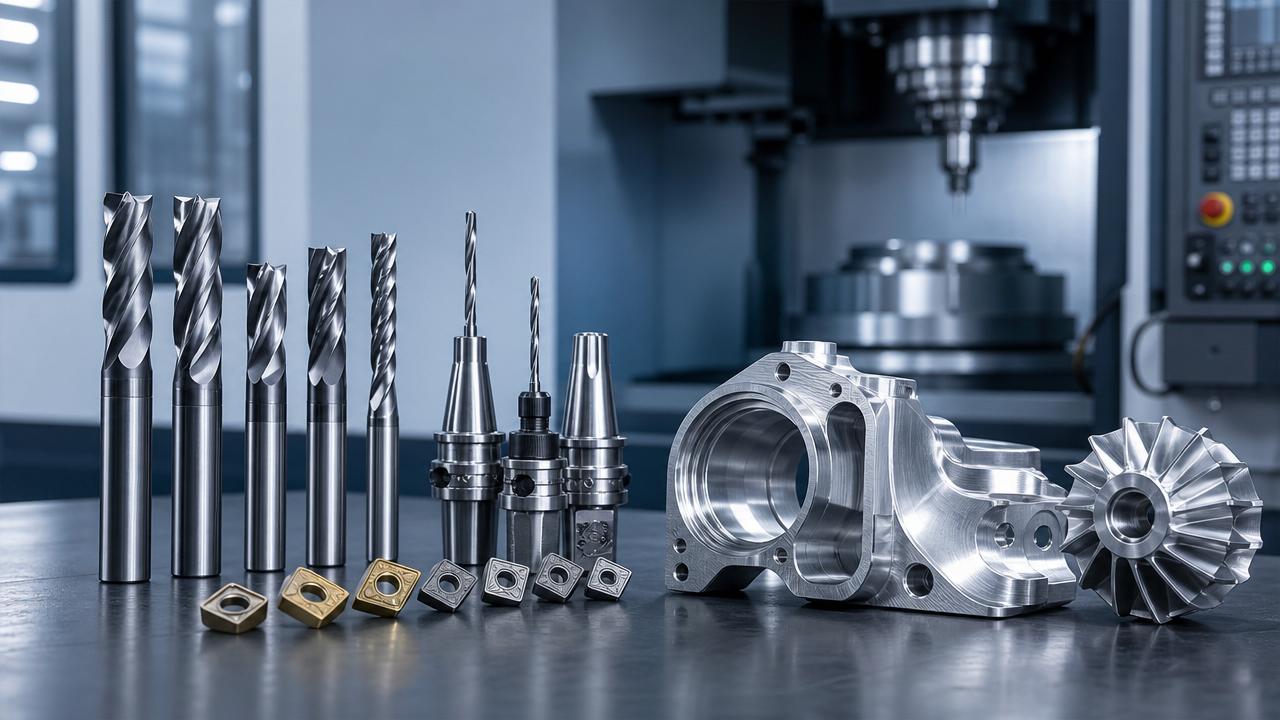
A cutting tools distributor does far more than move inventory from shelf to shop floor. Its choices shape tool life, cutting stability, surface finish, and the rhythm of daily production.
When the distributor understands machining conditions, tool materials, and application risk, tool wear becomes more predictable. When support is weak, even premium tools can fail early and raise total cost.
In the broader industrial ecosystem, this matters across metalworking, mold making, repair operations, and component manufacturing. A reliable cutting tools distributor helps connect tooling decisions with measurable operational results.
Why tool life changes across different machining scenarios
Tool life is never determined by the cutting tool alone. Material hardness, machine rigidity, coolant delivery, spindle behavior, and programming quality all influence wear patterns.
Because these conditions vary, the role of a cutting tools distributor also changes by scenario. In some cases, supply speed matters most. In others, application engineering is the deciding factor.
The best results come when the distributor matches inserts, end mills, drills, holders, and coatings to the real working environment, not only to a catalog description.
Scenario 1: High-volume production where consistency matters more than unit price
In continuous production, small changes in tool life create large cost differences. An unstable insert grade or inconsistent geometry can trigger scrap, stoppages, and extra tool changes.
Here, a cutting tools distributor affects performance through lot consistency, traceability, and repeat supply. If the same tool behaves differently between deliveries, process control becomes difficult.
Core judgment points in this scenario
- Can the distributor keep stable stock for critical tools?
- Does it provide repeatable grades and geometry references?
- Can it support wear analysis after unexpected failures?
- Does it recommend holder and coolant improvements?
In this setting, the right cutting tools distributor protects uptime. That support often extends tool life more effectively than chasing the lowest purchase price.
Scenario 2: Mixed-material workshops where tool selection drives wear behavior
Many operations cut carbon steel, stainless steel, aluminum, and hardened materials within the same week. A single tool family rarely performs well across all those conditions.
A capable cutting tools distributor reduces mismatch. It helps separate roughing from finishing needs, short-run work from repeat work, and standard drilling from high-precision holemaking.
What often goes wrong
General-purpose tooling is sometimes used as a default solution. That may simplify purchasing, but it often shortens tool life under heat, vibration, or chip evacuation pressure.
An experienced cutting tools distributor can identify whether the issue is coating choice, substrate toughness, flute design, edge preparation, or holder runout.
Scenario 3: Precision mold and die work where micro-failure becomes expensive
Mold and die applications demand tight tolerances, stable finishes, and reliable edge retention. A minor chipping event can ruin expensive workpieces and delay delivery.
In this scenario, a cutting tools distributor influences tool life by recommending micro-grain carbides, fine-edge geometries, balanced holders, and process-specific cutting data.
Critical support expectations
- Advice for hardened steel, graphite, or copper alloys
- Guidance on tool reach versus rigidity
- Recommendations for semi-finishing and finishing sequences
- Fast alternatives when a tool becomes obsolete
Without this level of support, shops may overload fragile cutters or use incorrect speeds. Tool life then drops for reasons that appear random but are actually preventable.
Scenario 4: Maintenance and urgent repair work where availability decides outcomes
Repair work is different from planned production. Tool life still matters, but immediate availability and substitute guidance often matter just as much.
A strong cutting tools distributor helps by offering equivalent options, rapid delivery, and practical advice for interrupted cuts, damaged surfaces, or uncertain workpiece history.
In urgent situations, poor substitution is a hidden risk. A tool that fits the machine may still fail early if its edge strength or coating is wrong for the repair condition.
How scenario differences change distributor requirements
Practical signs that a cutting tools distributor will improve tool life
Not every distributor contributes equally. Some mainly process orders. Others become part of the tooling improvement chain and actively reduce premature wear.
Look for these capabilities
- Application-based recommendations instead of brand-only selling.
- Failure analysis using wear photos, data, and operating conditions.
- Inventory planning for fast-moving and mission-critical tools.
- Knowledge of holders, balancing, coolant, and machine limits.
- Transparent replacement paths for discontinued tools.
These factors matter because tool life is systemic. The cutting tools distributor should understand the relationship between tool, machine, material, and process stability.
Scenario-based recommendations for better distributor fit
Common misjudgments that shorten tool life
One common mistake is assuming brand reputation alone guarantees results. Even excellent tools fail quickly when the distributor does not match them to actual cutting conditions.
Another mistake is focusing only on tool price. A cheaper option with unstable performance may increase machine downtime, rework, and holder damage.
A third oversight is ignoring after-sales support. Tool life issues often require feedback loops. A responsive cutting tools distributor can turn wear problems into useful process corrections.
It is also risky to overlook accessory compatibility. Collets, hydraulic chucks, shrink-fit holders, and coolant systems can strongly influence how long a cutting edge survives.
A practical next step for evaluating your current support
Review three recent cases of short tool life. Compare material, spindle speed, feed, holder type, coolant method, and source of tooling recommendations.
Then ask whether your cutting tools distributor offered application guidance, substitute logic, and failure analysis. The answer often reveals whether the problem was tooling, process, or support quality.
GHTN follows these industrial details closely, linking precision tooling knowledge with broader trade and manufacturing insight. That perspective helps identify where better distributor support can protect tool life and production value.
If consistent performance matters, evaluate your cutting tools distributor by scenario, not by catalog size alone. Better alignment between application and support is often the fastest route to longer tool life.
Related News