
Technical analysis of cutting tools that improves tool life

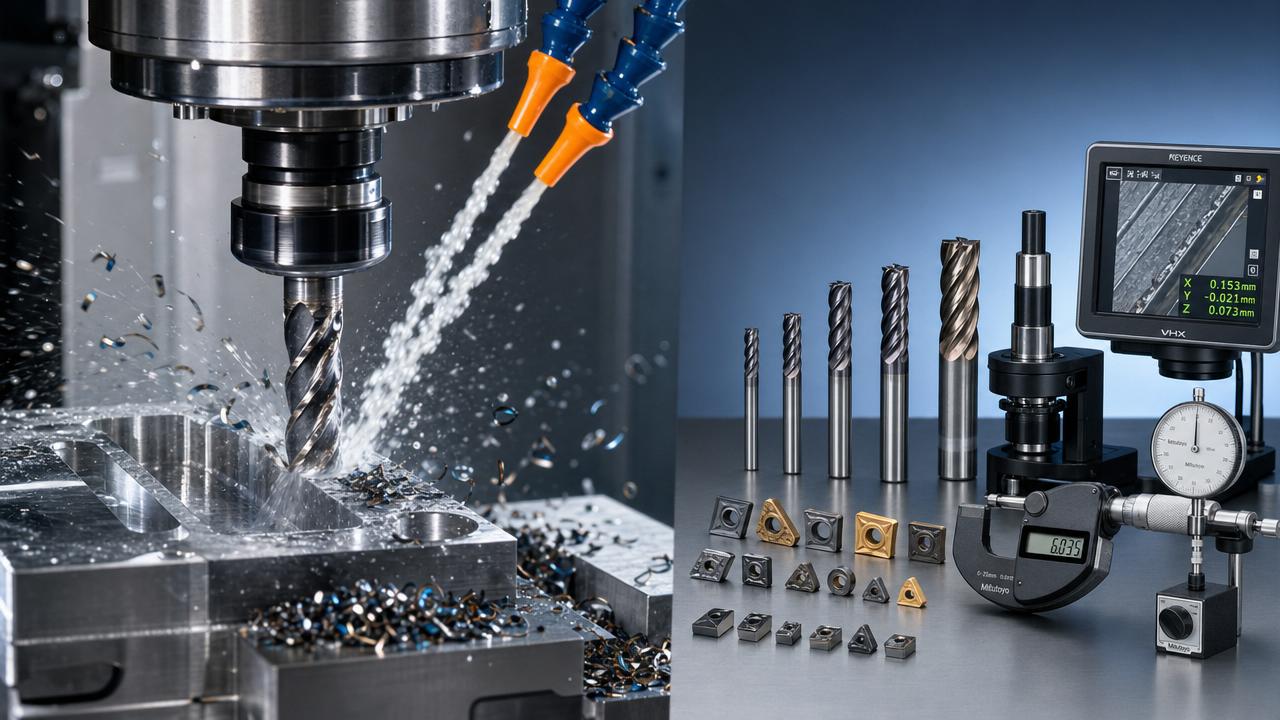
For operations focused on stable machining and lower replacement costs, technical analysis of cutting tools provides a practical route to longer service life. It turns visible wear, spindle load, chip shape, and surface finish into useful decisions. When tool behavior is measured instead of guessed, machining becomes more repeatable, downtime drops, and cost per part becomes easier to control across mixed industrial applications.
Why a checklist matters in technical analysis of cutting tools
A checklist prevents tool life decisions from depending on habit alone. It aligns machine settings, insert grade, workpiece material, and coolant practice before wear becomes expensive failure.
In the broader industrial environment, cutting conditions vary by batch quality, machine rigidity, and cycle time targets. A checklist supports consistent evaluation across automotive parts, molds, electrical housings, fasteners, and general precision components.
Good technical analysis of cutting tools also improves communication. Wear data, edge condition, and dimensional drift can be compared clearly between shifts, suppliers, and process engineers without relying on vague impressions.
Core checklist for extending tool life
Use the following points as a working sequence during setup review, trial cutting, and routine production control.
- Check workpiece material hardness, microstructure, and coating condition before choosing geometry, because the wrong match accelerates flank wear, built-up edge, and unstable chip formation.
- Verify cutting speed against insert grade and substrate toughness, since excessive speed raises crater wear, while low speed can increase rubbing and material adhesion.
- Set feed rate according to edge strength and desired chip load, because underfeeding wastes edge capacity and overfeeding causes chipping, vibration, and dimensional deviation.
- Confirm depth of cut is stable and appropriate for tool nose radius, so the edge cuts cleanly instead of skimming hardened layers or recutting fragmented chips.
- Inspect machine rigidity, holder runout, and spindle condition, because weak clamping and poor concentricity often reduce tool life faster than parameter errors.
- Observe chip color, shape, and evacuation path during cutting, since chip behavior reveals thermal load, shearing efficiency, and whether coolant reaches the actual cutting zone.
- Measure wear land width at scheduled intervals instead of waiting for breakage, because controlled indexing protects part quality and prevents sudden machine stoppage.
- Match coolant type, pressure, and nozzle position to the process, because thermal shock, poor lubrication, or blocked flow can shorten tool life significantly.
- Review coating performance in relation to temperature and work material, since TiAlN, AlCrN, and uncoated options behave differently in steel, aluminum, and cast iron.
- Record tool life by parts produced, minutes in cut, and failure mode, because technical analysis of cutting tools depends on comparable data, not isolated observations.
Key wear patterns to identify early
Flank wear usually indicates normal abrasion, but its rate matters. A steady wear land is often acceptable. Rapid growth suggests speed, abrasiveness, or insufficient cooling is out of balance.
Crater wear points to excessive temperature on the rake face. It often appears in high-speed steel cutting or long engagement cuts where heat remains concentrated near the chip flow zone.
Edge chipping is commonly linked to interrupted cuts, vibration, hard inclusions, or an insert grade that is too brittle. Notching near the depth-of-cut line often reflects work hardening or scale.
Built-up edge is frequent in gummy materials and low-to-medium cutting speeds. It can distort dimensions, damage finish, and tear away coating when the welded material breaks off.
Application notes for different machining scenarios
Turning alloy steel components
For alloy steel shafts, rings, and structural parts, technical analysis of cutting tools should begin with thermal balance. Steel often allows productive speed, but heat concentration drives crater wear and edge softening.
Use a tougher grade for interrupted surfaces or forged skin. If surface finish declines before dimensional loss appears, examine chip control and coolant targeting before changing the insert.
Milling aluminum housings and electrical enclosures
Aluminum cutting usually fails through adhesion rather than pure abrasion. Sharp geometry, polished flutes, and stable evacuation are more important than simply lowering speed.
If material smears along the edge, review lubrication and chip packing first. A worn tool in aluminum may still look visually intact while already causing burrs and tolerance drift.
Machining cast iron and mold base materials
Cast iron creates abrasive dust and steady edge wear. Here, technical analysis of cutting tools should emphasize coating durability, insert edge preparation, and machine cleanliness.
Dry cutting can work well when thermal conditions are stable. However, once vibration begins, the wear pattern can shift from gradual abrasion to sudden chipping at corners.
Drilling small precision holes
Small-diameter drilling is sensitive to runout, peck strategy, and coolant penetration. Minor misalignment quickly becomes margin wear, oversized holes, or drill breakage.
Track spindle load and hole surface condition together. When torque rises while finish worsens, the cause is often chip evacuation failure rather than simple end-of-life wear.
Commonly ignored factors and risk warnings
Ignoring toolholder quality is a frequent mistake. Even the best insert cannot perform well with poor clamping force, damaged contact faces, or excessive projection length.
Changing several variables at once hides the real cause of failure. Adjust only one major factor per test, then compare wear mode, cycle time, and part quality.
Judging tool life only by breakage creates hidden cost. Surface degradation, burr formation, and dimensional drift often become expensive earlier than catastrophic failure.
Assuming coolant always helps can be risky. In some interrupted cuts, inconsistent coolant delivery causes thermal shock and shortens tool life instead of extending it.
Overlooking incoming material variation also weakens technical analysis of cutting tools. Heat treatment inconsistency, scale, or inclusions may explain sudden life changes better than parameter shifts.
Practical execution steps
- Define one baseline tool, one material batch, and one machine condition before testing any optimization.
- Capture wear photos at fixed intervals and label them by speed, feed, depth of cut, and coolant condition.
- Set a clear replacement rule using wear width, surface finish, or dimensional limit instead of waiting for sudden failure.
- Compare cost per part, not only tool price, when selecting grades, coatings, or premium holders.
- Review the data weekly and standardize the best setting into setup sheets and operator checks.
Across general industry, the strongest gains usually come from small corrections. Better nozzle aiming, lower runout, or a tougher edge preparation can outperform dramatic parameter changes.
This is where a disciplined technical analysis of cutting tools supports broader manufacturing goals. It links precision, uptime, energy use, and part consistency in one measurable process.
Conclusion and next action
Technical analysis of cutting tools is most effective when it combines wear observation, stable testing, and clear replacement criteria. Tool life improves when geometry, grade, parameters, machine condition, and coolant strategy are evaluated together.
Start with one recurring operation, apply the checklist, document failure modes, and refine only one variable at a time. That simple discipline creates longer tool life, more predictable machining, and lower total production cost.
Related News