
Die-casting process technical analysis that cuts defects

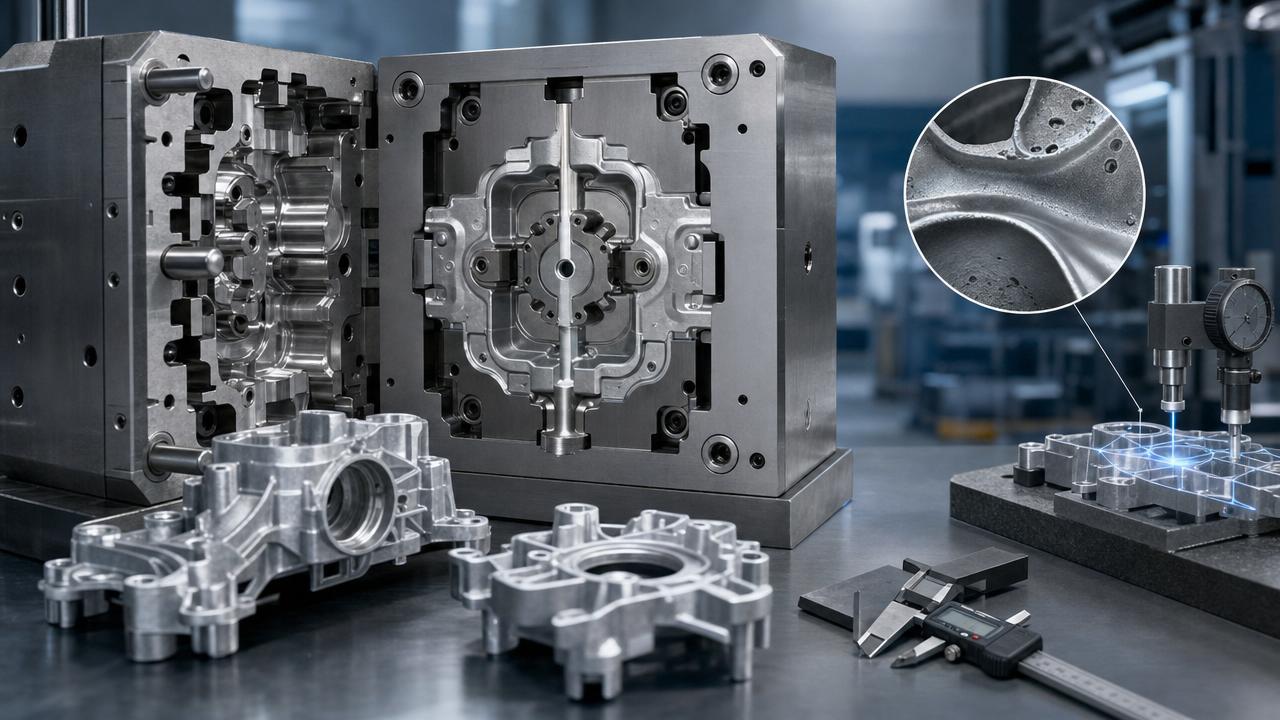
For quality control and safety managers, die-casting process technical analysis is more than a production review—it is a practical path to reducing porosity, dimensional instability, and hidden risk on the line. By examining mold design, melt behavior, process parameters, and defect patterns together, this article shows how disciplined analysis can cut defects, strengthen consistency, and support safer, more reliable manufacturing outcomes.
Why die-casting process technical analysis matters
In modern industry, die casting supports housings, brackets, covers, connectors, and structural parts across hardware, electrical, and tooling supply chains.
A weak process can create scrap, rework, delayed delivery, and unstable downstream assembly performance.
That is why die-casting process technical analysis has become a core control method, not only a troubleshooting exercise.
It connects design intent, machine behavior, metal flow, cooling balance, and defect evidence into one decision framework.
For a portal such as GHTN, this topic fits the broader need for precision, reliability, and cross-border manufacturing intelligence.
A practical definition
Die-casting process technical analysis is the systematic study of how molten metal, tooling, timing, pressure, and thermal conditions shape final part quality.
Its goal is simple: find the real causes of defects and set stable controls that prevent recurrence.
A strong analysis does not isolate one variable. It examines the full process window and the interactions inside it.
Core elements examined in die-casting process technical analysis
Most defect reduction programs fail when they focus only on visible symptoms.
Effective die-casting process technical analysis starts with four linked areas.
1. Mold and gating design
Gate location, runner balance, overflow design, and venting directly affect filling stability and gas evacuation.
Poor venting often appears later as porosity, blistering, or weak machining performance.
2. Melt condition and metal cleanliness
Alloy temperature, holding practice, oxidation, and contamination influence flow, shrinkage, and internal soundness.
Stable chemistry and clean melt handling reduce random defects that are difficult to trace later.
3. Machine parameters and timing
Shot speed, intensification pressure, sleeve fill ratio, switch-over point, and dwell time shape cavity filling and solidification behavior.
Even small timing drift can increase turbulence, trapped air, flash, or incomplete filling.
4. Cooling and thermal balance
Die temperature uniformity is essential for dimensional control, surface quality, and cycle stability.
Uneven thermal zones can drive warpage, sticking, soldering, and local shrinkage.
Current industry signals and common defect patterns
Across the integrated industrial sector, quality expectations are rising while tolerance windows are shrinking.
Electrical enclosures, tool bodies, and precision hardware parts now demand both structural consistency and visual stability.
This is where die-casting process technical analysis creates measurable value.
The most common defects usually point to a process interaction, not a single isolated cause.
- Gas porosity often links to venting, shot profile, and melt turbulence.
- Shrinkage porosity often links to hot spots, pressure transfer, and local section thickness.
- Flash often links to die wear, clamp force loss, or excessive injection energy.
- Cracks often link to thermal stress, ejection timing, and geometric stress concentration.
Business value across hardware, electrical, and tooling chains
The value of die-casting process technical analysis reaches far beyond the casting cell.
When defect causes are identified early, machining, coating, assembly, and field performance become more predictable.
This matters in the comprehensive industrial sector, where one unstable component can disrupt a full product platform.
Operational gains
- Lower scrap and rework rates
- Better OEE through stable cycle control
- Reduced tooling damage from unmanaged thermal stress
- More consistent downstream machining yield
Commercial gains
- Improved delivery confidence for export programs
- Better traceability during quality audits
- Stronger reputation for precision component reliability
- Higher long-term competitiveness in value-sensitive markets
For GHTN’s industry scope, this aligns with the need to link precision manufacturing logic with practical trade insight.
Typical application scenarios for defect-focused analysis
Not every casting requires the same analytical depth, but several scenarios repeatedly justify close process review.
Practical method for conducting die-casting process technical analysis
A disciplined method prevents guesswork and short-term fixes.
- Define the defect clearly by location, frequency, severity, and downstream effect.
- Separate appearance defects from structural defects using sectioning, machining, or NDT where needed.
- Review mold layout, gate path, vents, overflows, and cooling channels.
- Collect actual machine data, not only set values from recipes.
- Compare defect timing with die temperature trends, maintenance history, and alloy handling records.
- Run controlled trials with one major variable changed at a time.
- Standardize the confirmed window and train operators on the visual warning signs.
This step-by-step die-casting process technical analysis approach helps teams avoid confusing correlation with root cause.
Key precautions that often determine success
- Do not judge porosity only from external appearance.
- Do not change speed, temperature, and pressure at the same time.
- Do not ignore lubricant application consistency and die spray effects.
- Do not overlook die wear, vacuum loss, or blocked vents after long production runs.
- Do not assume one good shift proves long-term process capability.
Many recurring problems return because temporary adjustments were never converted into verified standards.
Sustainable defect reduction needs records, thermal discipline, and a repeatable review rhythm.
A forward path for continuous improvement
Die-casting process technical analysis works best when treated as an ongoing capability, not a one-time correction.
By linking defect evidence with design, tooling, and machine data, industrial teams can steadily reduce variation and hidden risk.
For organizations following global component and tooling trends through GHTN, this discipline supports stronger quality decisions and more resilient manufacturing performance.
The next practical step is to map one recurring defect family, review its full process chain, and document a verified control window.
That is the most direct way to turn die-casting process technical analysis into fewer defects, safer production, and better long-term output stability.
Related News