
How manufacturing technology is cutting mold changeover time

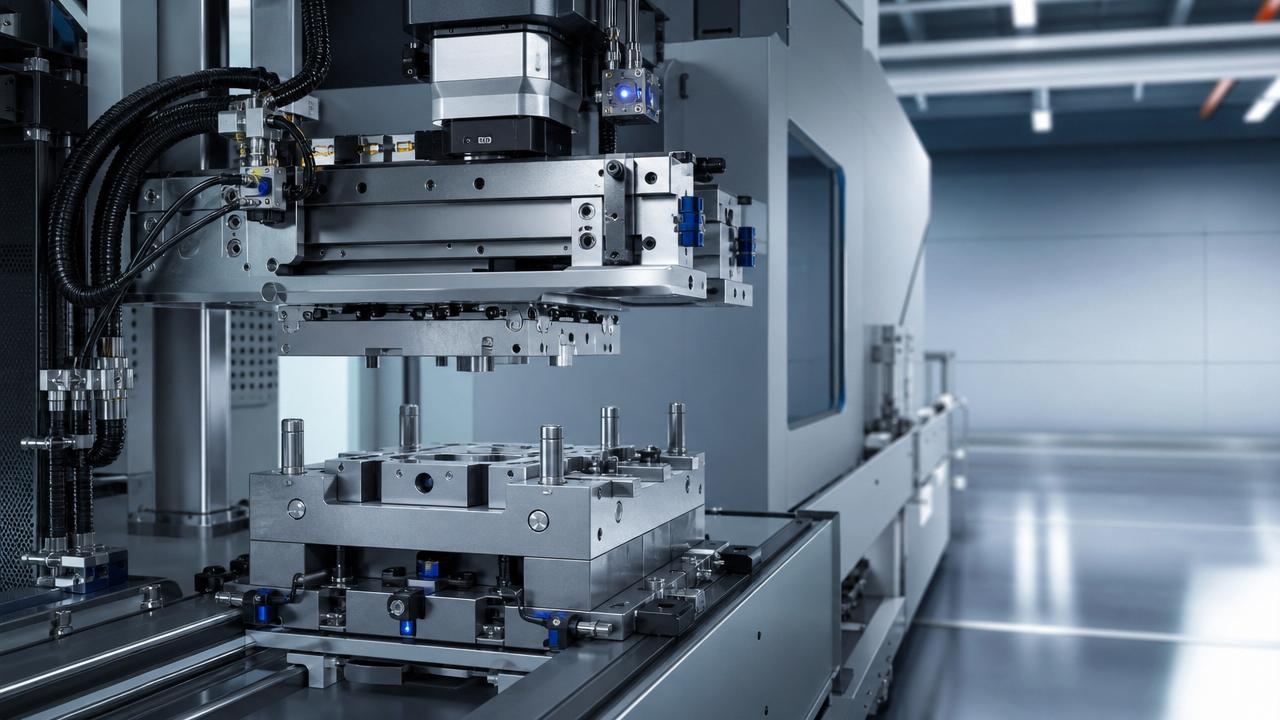
Manufacturing technology is redefining the economics of mold changeovers
In high-mix production, mold changeover time has become a direct measure of operational agility.
Shorter setups improve throughput, reduce scrap, stabilize schedules, and protect margins in competitive industrial environments.
Today, manufacturing technology is moving mold changeovers away from manual trial-and-error toward connected, data-driven, repeatable execution.
This shift matters across the broader industrial landscape, from hardware production to electrical components and precision mold manufacturing.
For operations seeking stronger equipment utilization, manufacturing technology now offers practical paths to reduce downtime without sacrificing quality.
The trend signal is clear: changeovers are becoming a digital performance target
Mold changeovers were once treated as unavoidable pauses between production runs.
That assumption is fading as lead times tighten and product variation increases across industrial supply chains.
Factories now monitor setup intervals with the same discipline used for cycle time, scrap, and OEE.
As a result, manufacturing technology is no longer viewed only as machine capability.
It is increasingly seen as a system for shortening transitions, preserving process knowledge, and improving launch consistency.
This trend is especially visible in injection molding, die-casting, stamping, and precision tooling environments.
In these sectors, frequent product changes make setup efficiency a strategic capability rather than a maintenance issue.
Why manufacturing technology is accelerating faster setup performance
Several forces are pushing investment toward faster, smarter mold changeovers.
These drivers explain why manufacturing technology is now central to setup reduction programs.
The biggest gains come from integrated tools, not isolated upgrades
The strongest improvements rarely come from one machine feature alone.
They emerge when manufacturing technology connects clamping, positioning, data capture, and process verification into one disciplined workflow.
Quick-change hardware reduces physical setup delays
Magnetic platens, hydraulic clamping, and zero-point systems reduce manual fastening time.
They also improve repeatable mold positioning, which lowers the need for corrective alignment.
Sensors and monitoring improve first-pass readiness
Temperature, pressure, and cooling sensors confirm whether the mold is ready before production ramps up.
This reduces guesswork during startup and shortens the path to stable output.
Digital setup recipes preserve repeatability
Stored machine parameters, mold histories, and approved setup sequences help teams replicate proven conditions.
That lowers variation between shifts, tools, and production sites.
Automation removes non-value manual motion
Automated handling, robotic connections, and guided line clearance reduce waiting, searching, and repeated movement.
In many operations, these hidden losses equal or exceed the actual mold swap itself.
How faster mold changeovers affect industrial performance beyond the machine
Reduced changeover time creates ripple effects across the full manufacturing value chain.
The benefit is not limited to machine availability.
- Scheduling becomes more accurate because setup duration is predictable.
- Smaller batch production becomes more economical.
- Quality improves because startup instability is reduced.
- Maintenance planning improves through clearer tooling and machine condition data.
- Inventory pressure falls when production can switch faster between part families.
For sectors tied to hardware, electrical assemblies, and molds, these gains support both responsiveness and cost discipline.
That is why manufacturing technology increasingly influences quoting confidence, delivery reliability, and customer retention.
What deserves close attention as manufacturing technology adoption expands
Faster changeovers depend on more than buying advanced equipment.
The following priorities often determine whether manufacturing technology delivers measurable setup reduction.
- Standardize mold interfaces, utility connections, and tooling identification across lines.
- Separate internal and external setup tasks to reduce machine stoppage.
- Capture actual changeover data rather than relying on estimated averages.
- Link maintenance records with setup performance to identify hidden causes of delay.
- Train teams on digital procedures, not just physical mold handling.
- Use validation checkpoints to confirm readiness before first-piece approval.
These areas turn manufacturing technology from a capital expense into an operational system.
A practical framework for judging where the next setup gains will come from
The most useful next step is to assess changeovers by source of loss rather than by total minutes alone.
This approach helps prioritize investments with clearer payback and lower implementation risk.
The next competitive edge will come from connected setup intelligence
The future of mold changeover improvement will be less mechanical and more analytical.
Manufacturing technology is moving toward predictive preparation, guided execution, and real-time exception control.
As systems learn from every setup, best practices become transferable and less dependent on individual memory.
That progression aligns with the broader industrial shift toward traceability, efficiency, and resource-conscious production.
For organizations following global tooling and component trends, this is where strategic attention should stay focused.
GHTN continues tracking how manufacturing technology reshapes precision operations, from mold systems to the wider industrial parts ecosystem.
A useful next move is to map one recent mold changeover in detail, identify the largest delay category, and match it with targeted manufacturing technology upgrades.
Small reductions, repeated across many setups, often produce the fastest and most durable operational gains.
Related News