
Indonesia Imposes Anti-Dumping Duty on Chinese PP Homopolymer

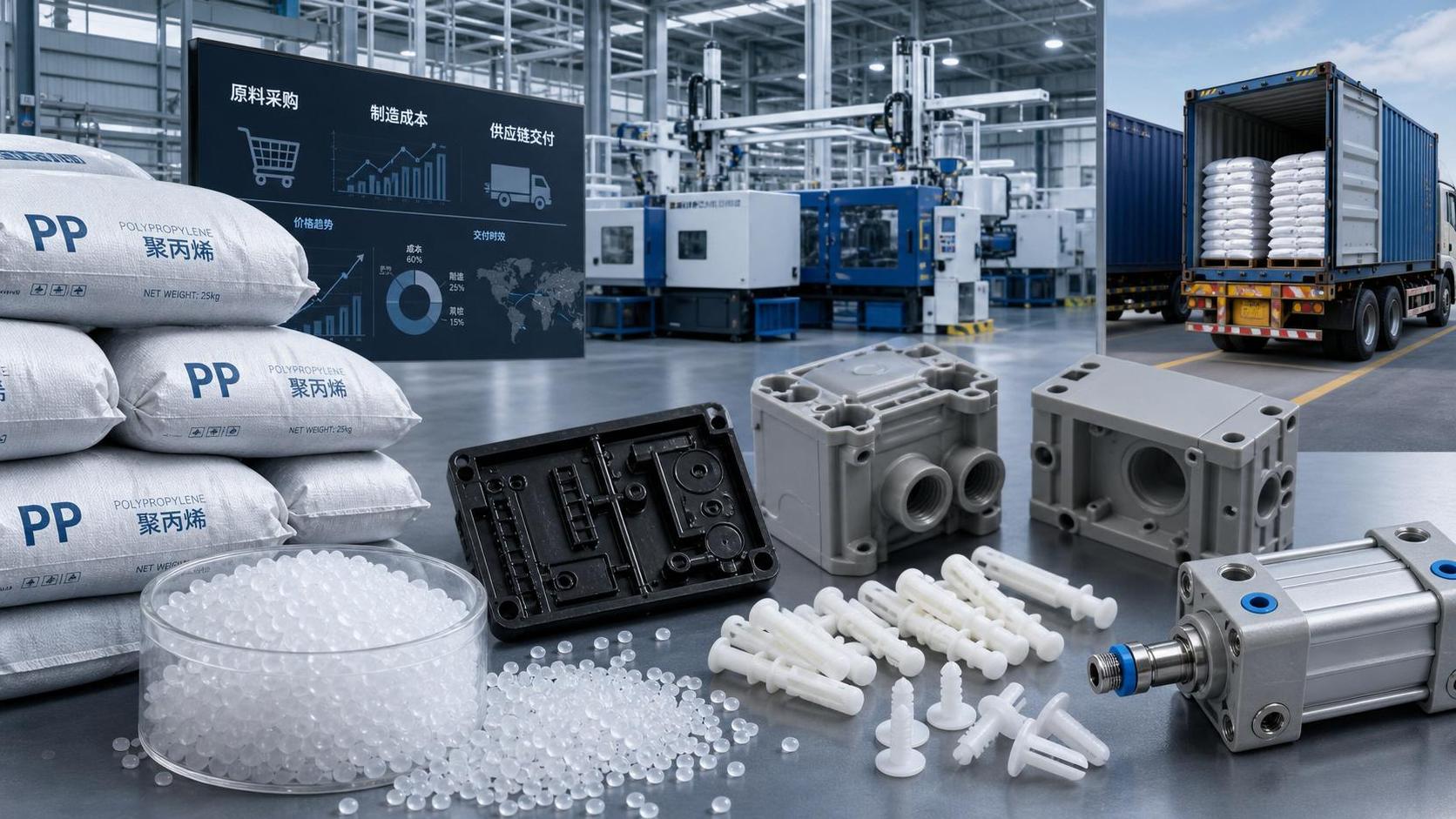
The timing of the underlying market reaction is not clearly specified in the available information, but a confirmed policy development now deserves attention from mold makers, fastener producers, raw material importers, and export-facing manufacturers. On June 2, 2026, Indonesia reached a final anti-dumping decision on polypropylene homopolymer from China, a material used in injection molding trial parts, plastic anchors, engineering plastic rivets, and pneumatic component housings. Because this resin sits close to the production base of several industrial plastic products, the measure matters less as a headline alone and more as a potential cost and delivery issue across connected supply chains.
A confirmed trade measure with downstream relevance
According to the provided information, Indonesia's anti-dumping authority issued a final ruling on June 2, 2026 concerning polypropylene homopolymer from China under tariff code 3902.10.40.
The measure imposes an ad valorem anti-dumping duty of up to 18.01%.
The material covered is described as being widely used in the production of injection molding trial parts, plastic anchors, engineering plastic rivets, and housings for pneumatic components.
The same information also indicates that higher import costs for this raw material are expected to pass through to downstream mold manufacturing and fastener export quotations, and that some order lead times may be extended.
Where the impact is most likely to be felt
Imported resin procurement becomes more sensitive
From an industry perspective, companies directly involved in sourcing the affected polypropylene homopolymer may face the most immediate pressure because the policy acts first on import cost. What deserves closer attention is whether procurement budgets, material substitution reviews, and quotation validity periods need to be adjusted when this resin is part of regular purchasing plans.
Mold-related production may see cost pass-through
For manufacturers using the material in injection molding trial parts, the issue is not only resin pricing but also how quickly higher input costs move into mold-related production estimates. Analysis shows that even where the material is only one part of the overall manufacturing cost, it can still affect sampling, trial production scheduling, and customer quotation discussions.
Fastener exporters may face pricing and timing pressure
Producers of plastic anchors and engineering plastic rivets may be affected through export pricing and delivery coordination. Observably, when raw material costs rise at the input stage, exporters need to watch how that change affects quoted prices, customer acceptance cycles, and the risk of longer fulfillment timelines for existing or pending orders.
Component housing suppliers need closer delivery planning
Businesses producing pneumatic component housings may also need to pay attention to supply continuity. The key concern is not a proven broad disruption, but whether a higher-cost raw material environment leads to slower purchasing decisions or tighter production planning in orders tied to industrial components.
What companies should watch now
Track any further official clarification
Analysis shows that companies should distinguish between the confirmed final ruling itself and any later clarification on implementation details. For businesses exposed to this material, the practical impact often depends on how customs treatment, product classification, and transaction documentation are handled in actual trade flows.
Review product lines tied to the affected resin
What deserves closer attention is which product categories rely most directly on polypropylene homopolymer under the identified tariff code. Firms involved in mold trial parts, plastic anchors, engineering plastic rivets, and pneumatic housings may need a clearer internal view of where margin sensitivity is highest.
Prepare for quotation and lead-time adjustments
Observably, the provided information already points to possible pressure on downstream quotations and some delivery cycles. That makes customer communication, quotation terms, procurement timing, and order scheduling practical areas to review rather than abstract risk topics.
Check documents and supplier coordination
From an industry perspective, supplier qualification, product documentation, and transaction records deserve attention wherever cross-border procurement is involved. This is especially relevant for businesses that need to explain cost changes to customers or align order commitments with updated supply conditions.
Why this looks important beyond the headline
As an editorial observation, this development is best understood as a confirmed trade measure with direct cost relevance rather than as a complete picture of market impact. The ruling itself is clear in the provided information, but the full business effect still depends on how strongly the added cost passes into downstream manufacturing, export offers, and delivery arrangements.
It is more appropriate to understand this as a near-term operational signal and a policy-related market indicator at the same time. In other words, the decision is already concrete, while the scale of its downstream effect still requires continued observation.
How to read the development at this stage
For the industry, the main significance of this news lies in the connection between a trade remedy decision and the everyday economics of plastic industrial parts. The confirmed duty on Chinese polypropylene homopolymer does not by itself define the final impact on every producer, but it clearly raises the need to watch procurement cost transmission, export quotations, and delivery timing more closely.
At this stage, a neutral reading is most appropriate: this is neither a minor administrative detail nor a basis for overstated conclusions. It is a concrete policy outcome with practical implications that are likely to emerge first in purchasing, quoting, and order execution.
Basis of this report and points for verification
This article is generated from the user-provided news title, event timing note, and event summary. The specific official source link was not provided in the input, so further verification is still needed against materials such as official notices, company disclosures, industry association updates, authoritative media reporting, or related trade and customs documentation where available.
Any follow-up reporting should continue to watch for official wording updates, implementation details in actual trade practice, and whether downstream pricing and delivery changes become more visible in affected product categories.
Related News