
Injection Molding Machine Supplier Delays and What They Signal

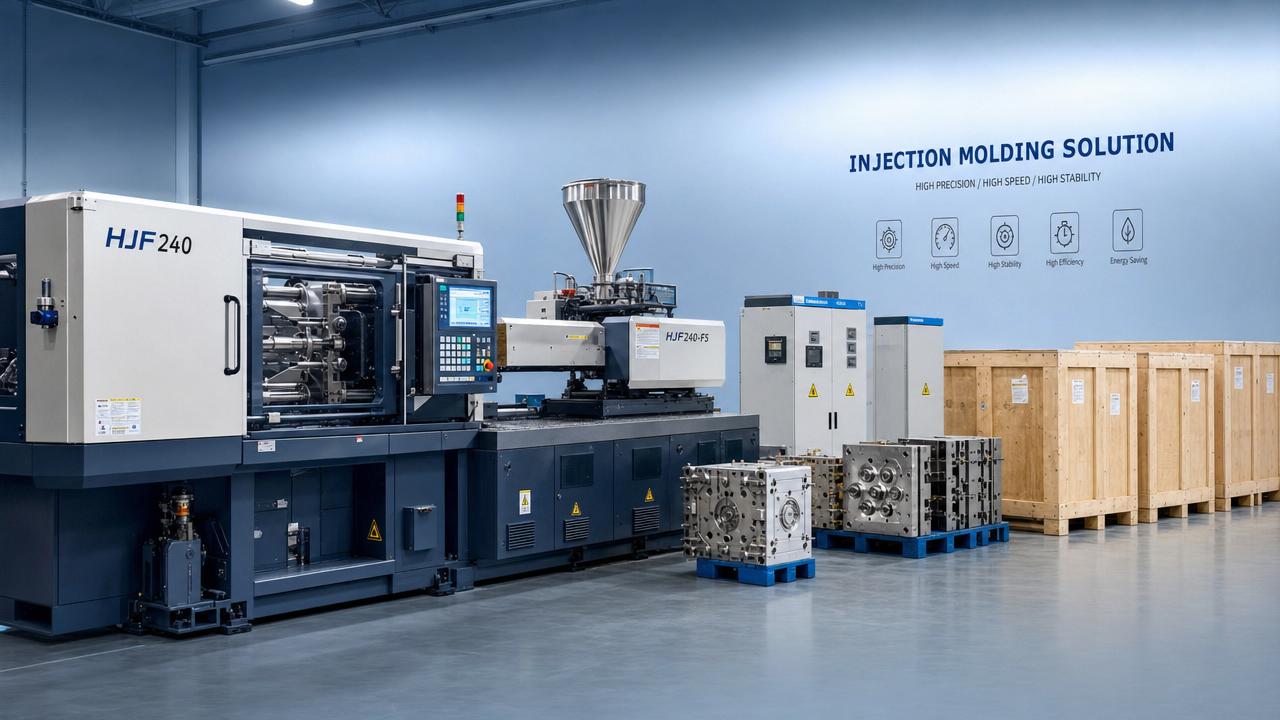
When an injection molding machine supplier starts missing milestones, the issue often goes beyond shipping schedules. For procurement teams, delays can signal deeper problems in capacity planning, component sourcing, quality control, or financial stability. Understanding what these warning signs mean helps buyers reduce risk, protect production timelines, and choose partners with stronger long-term reliability.
Why Delay Signals Matter More in Some Purchasing Scenarios
Not every delay from an injection molding machine supplier carries the same business impact. A two-week slip may be manageable for a plant expanding low-mix production next quarter, but the same slip can be critical for a medical parts project awaiting validation, or for an automotive supplier tied to a customer launch date. That is why procurement professionals should avoid treating schedule problems as isolated logistics events. Delays often reflect how a supplier manages risk under pressure.
For buyers in the broader industrial ecosystem, supplier delay analysis should be tied to the application scenario: greenfield factory setup, replacement of aging presses, export-oriented expansion, regulated manufacturing, or contract manufacturing with volatile order cycles. In each case, the same missed milestone may point to different root causes and different levels of sourcing risk. This scenario-based view is especially useful for OEMs, distributors, and technical sourcing teams that need more than a simple delivery promise.
At GHTN, we see that procurement strength comes from reading operational signals early. In the world of industrial components and precision tooling, machine delays often connect to upstream realities such as control system shortages, machining bottlenecks, tooling alignment issues, compliance documentation gaps, and weak after-sales infrastructure. An informed buyer asks not only “When will the machine ship?” but also “What exactly does this delay reveal about long-term supplier reliability?”
Common Business Scenarios Where an Injection Molding Machine Supplier Delay Changes the Decision
Procurement teams usually encounter an injection molding machine supplier in one of several recurring business situations. Each situation changes how a delay should be interpreted and what follow-up actions are appropriate.
1. New Plant Launch or Capacity Build-Out
In a factory launch, machine delivery is linked to utilities setup, mold trials, operator training, and customer qualification. If the supplier misses engineering approval dates, FAT scheduling, or shipment windows, the risk extends across the entire project path. Here, a delay may signal overstretched project management or poor coordination between machine assembly, electrical integration, and commissioning teams.
2. Replacement of Legacy Equipment in Running Production
When a company replaces an aging press during live operations, timing affects line continuity and maintenance planning. A delayed injection molding machine supplier may force emergency repairs on old equipment, increase scrap risk, or create overtime costs. In this scenario, buyers should focus on transition planning, spare parts availability, and service readiness rather than only factory shipment dates.
3. Multi-Cavity, High-Precision Parts Programs
For precision consumer electronics, connectors, or engineered parts, the machine often must match strict repeatability, controller stability, and process window requirements. If an injection molding machine supplier delays technical clarification or performance validation, the concern may be insufficient engineering maturity rather than temporary workload. In these cases, delay is often a proxy for technical readiness.
4. Regulated or Export-Focused Production
For medical, electrical, or export-oriented products, documentation matters almost as much as hardware. Delays in CE-related documentation, electrical drawings, traceability files, or acceptance protocols may reveal weak compliance processes. Procurement teams should be careful when the injection molding machine supplier says the machine is “almost ready,” but cannot provide complete technical files.
5. Contract Manufacturing with Volatile Demand
In job shops and contract molding operations, machine utilization and flexibility are essential. A delay may be less damaging if alternate presses can absorb demand, but more concerning if the supplier also cannot confirm future spare support or controller standardization. Here, the purchasing decision should weigh long-term operational flexibility over short-term discount pricing.
Scenario Comparison: What a Delay Usually Signals
The table below helps procurement teams interpret what a delay from an injection molding machine supplier may mean under different operating conditions.
How Procurement Teams Should Read the Type of Delay
A useful buying practice is to classify the delay before reacting to it. Different forms of delay from an injection molding machine supplier reveal different operational weaknesses.
Engineering Delay
If specifications, drawings, utility requirements, or mold interface details take too long to finalize, the supplier may lack internal coordination between sales and technical departments. In custom or semi-custom machine orders, this is a serious warning sign because later stages depend on early engineering clarity.
Manufacturing Delay
If the supplier repeatedly shifts assembly completion dates, it may indicate poor capacity planning, labor shortages, or parts availability issues. Buyers should ask which modules are incomplete: hydraulic unit, clamping section, controller cabinet, robotics interface, or safety system. The answer often reveals whether the delay is temporary or structural.
Testing and FAT Delay
A delayed factory acceptance test can mean the machine is not stable enough to demonstrate. This matters greatly for technical buyers, because FAT is where speed, repeatability, alarms, cycle consistency, and operator interface issues surface. If the injection molding machine supplier reschedules FAT multiple times, procurement should involve process engineers immediately.
Shipping Delay
Shipping delays are not always the supplier’s fault, but they still require scrutiny. If crate readiness, export packaging, customs papers, or freight booking are inconsistent, the problem may be weak export operations. For overseas buyers, this directly affects landed cost, installation timing, and insurance exposure.
What Different Buyer Profiles Should Prioritize
An injection molding machine supplier may look acceptable to one buyer type and risky to another. Procurement decisions improve when the evaluation criteria match the operating reality of the buyer.
Frequent Misjudgments Buyers Make
One common mistake is assuming that a delayed injection molding machine supplier is automatically a poor supplier. Some delays come from temporary bottlenecks, customer-driven spec changes, or global component disruptions. The real issue is whether the supplier can explain the problem with evidence, recover the schedule, and maintain transparency.
Another mistake is focusing only on price after a delay appears. Procurement teams sometimes continue because the quotation remains attractive, while ignoring the increased cost of missed customer deadlines, idle molds, delayed PPAP, or overtime at installation. Total cost of ownership often changes dramatically once delay risk enters the project.
A third misjudgment is failing to separate communication quality from actual operational strength. A supplier may communicate politely but still lack execution discipline. Conversely, a technically solid supplier may communicate bluntly yet provide accurate status, realistic timing, and clear corrective action. Buyers should reward evidence, not presentation alone.
Practical Screening Steps Before You Commit
Before finalizing a purchase, procurement teams can reduce exposure by using a scenario-based screening checklist. This is especially valuable when evaluating a new injection molding machine supplier for strategic production lines.
- Match the supplier’s recent project mix to your use case, not just machine tonnage.
- Ask for milestone definitions covering engineering release, assembly complete, FAT, shipment, installation, and acceptance.
- Review which key components are made in-house and which depend on external sourcing.
- Confirm controller brand, hydraulic configuration, and spare part lead times for your region.
- Include delay-response obligations in the contract, not just final delivery terms.
- Evaluate service coverage, local commissioning support, and escalation contacts.
FAQ for Buyers Assessing an Injection Molding Machine Supplier
Should one delay disqualify a supplier?
Not always. The better question is whether the supplier can identify the root cause, provide a believable recovery schedule, and show that the delay is isolated rather than systemic.
What is the strongest warning sign?
Repeated milestone changes without document-backed explanation. When an injection molding machine supplier keeps moving dates but cannot specify which subsystem is incomplete, procurement should assume elevated execution risk.
How can buyers verify whether the supplier is overloaded?
Ask about current backlog, assembly line loading, lead time by machine series, and average FAT wait time. Cross-check this with recent customer references in similar applications.
Is a lower-cost supplier still worth considering after delays?
Only if the business scenario can tolerate schedule variability and the supplier’s service, spare parts, and technical fit remain strong. For launch-critical or regulated projects, schedule credibility usually outweighs upfront savings.
Final Takeaway for Scenario-Based Purchasing Decisions
A delayed injection molding machine supplier is not just a timeline problem; it is a decision signal. In some scenarios, it points to manageable congestion. In others, it exposes deeper issues in planning, quality assurance, engineering readiness, or supplier stability. The key for procurement is to evaluate delay through the lens of the actual business application: launch pressure, replacement urgency, precision demands, compliance exposure, and service dependence.
For industrial buyers navigating global equipment sourcing, stronger outcomes come from combining milestone tracking with technical due diligence and scenario-specific risk review. If your team is comparing machine builders, use delay behavior as part of the supplier assessment framework, not as an afterthought. The right injection molding machine supplier is the one whose delivery discipline, technical transparency, and support model fit your production reality today and your competitive needs tomorrow.
Related News