Industrial Automation Solutions That Scale Without Major Downtime

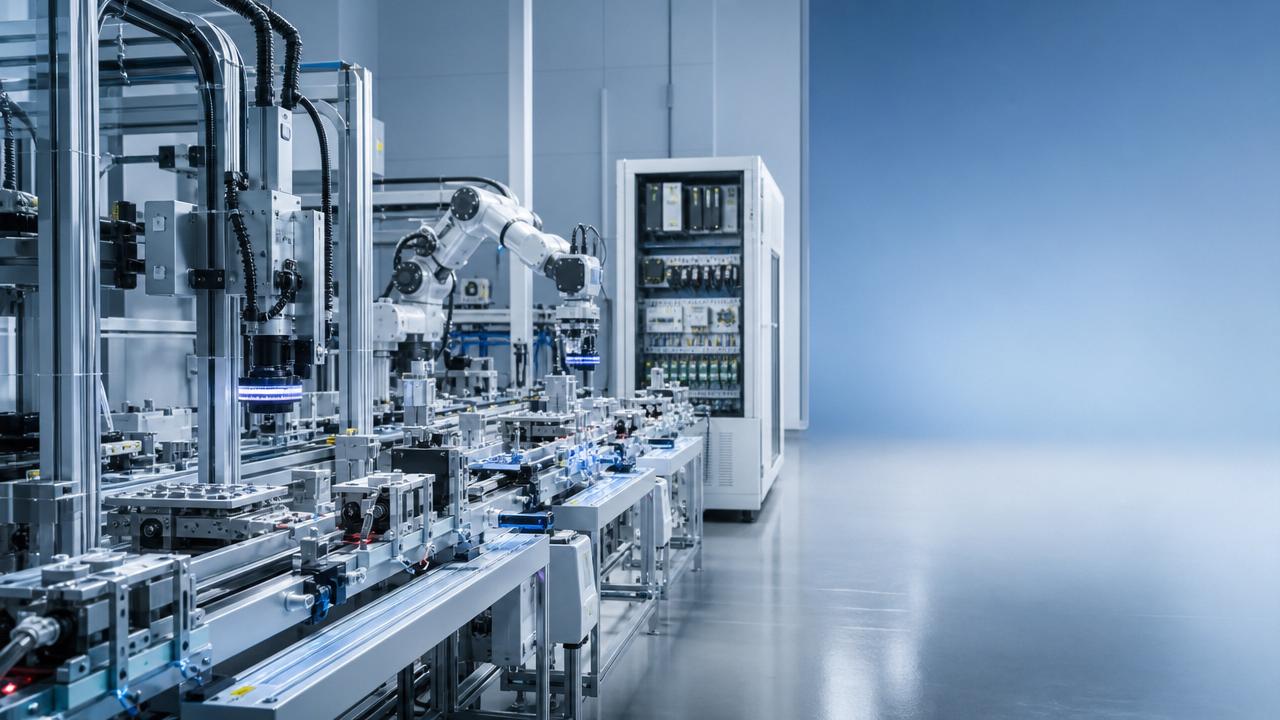
Industrial automation solutions help operators boost output, reduce errors, and keep production moving without costly interruptions. For facilities running mixed product lines, seasonal demand swings, or compliance-driven processes, the challenge is not simply adding more machines. It is choosing industrial automation solutions that scale in a controlled way, fit existing equipment, and avoid major downtime during installation or expansion. In practice, the most effective approach combines modular controls, reliable component selection, phased integration, and data visibility that supports faster decisions on the shop floor.
When Scaling Capacity Becomes a Downtime Risk
Not every production environment faces the same automation challenge. A high-volume packaging line may need faster cycle times and repeatability, while a precision machining cell may value traceability, tool condition monitoring, and micron-level consistency. In electronics assembly, electrical compliance and process stability often matter as much as throughput. In mold-related production, downtime during changeovers can erase the value of a new investment if integration is poorly planned.
This is why industrial automation solutions should be evaluated by scenario rather than by headline technology alone. A scalable system for one line may be excessive or too rigid for another. Strong decisions usually begin with three questions: where downtime is most expensive, which process variables cause the most defects, and what parts of the line must remain operational during upgrades. This scenario-based view creates a practical path to expansion without disrupting output.
Scenario 1: Repetitive Assembly Lines Need Modular Industrial Automation Solutions
Repetitive assembly environments often benefit first from modular industrial automation solutions. These lines usually contain stable task sequences, clear takt requirements, and measurable quality checkpoints. Core judgment points include whether motion paths are fixed, whether components vary in size, and whether manual intervention creates frequent rework. If the process is repeatable but labor-sensitive, modular stations with programmable logic control, sensor feedback, and pneumatic or servo-assisted handling can be added step by step.
The advantage of this scenario is controlled expansion. Instead of shutting down an entire line for a full rebuild, teams can automate one station at a time, validate performance, then extend the architecture. This reduces integration risk and protects production continuity. For sectors relying on fasteners, hand tools, electrical connectors, or light mechanical subassemblies, modular industrial automation solutions also simplify spare parts planning and maintenance training.
Core judgment points for repetitive assembly
- Cycle time variation is low and process steps are predictable.
- Defects often come from positioning, torque, missed parts, or sequence errors.
- Stations can be isolated for phased upgrades without stopping upstream operations.
- Standardized electrical and pneumatic components are available for easy replacement.
Scenario 2: Mixed-Model Production Requires Flexible Control and Faster Changeovers
Mixed-model production introduces a different set of demands. Here, industrial automation solutions must support frequent product changes, variable tooling, and shorter runs without excessive engineering time. The central question is not just speed, but flexibility. If every product change needs lengthy reprogramming or manual reset, automation becomes a bottleneck instead of an advantage.
Flexible industrial automation solutions in this scenario often rely on recipe-driven controls, quick-change fixtures, decentralized I/O, and machine vision for part recognition. These tools help reduce setup time and preserve accuracy across product variants. In mold manufacturing, die-casting support, or secondary finishing operations, this approach is especially valuable because changeovers directly affect output, energy use, and tool wear. The best fit is usually a system designed around rapid verification, not just rapid motion.
Scenario 3: Precision Processes Need Automation That Protects Tolerance and Traceability
Precision-focused processes such as CNC support cells, electrical component assembly, or injection mold handling place quality control at the center of automation planning. In these settings, industrial automation solutions must preserve dimensional stability, reduce contamination, and create traceable records. The right judgment point is whether quality losses come from inconsistent handling, environmental fluctuation, or delayed detection of process drift.
Automation in precision environments should therefore include closed-loop feedback, condition monitoring, and data capture that links events to specific batches, tools, or runs. A scalable architecture matters because quality systems often expand over time. Starting with sensor-rich stations, then adding analytics and predictive maintenance, allows growth without replacing the original foundation. This is where industrial automation solutions deliver more than labor savings: they improve process confidence and reduce hidden scrap costs.
How Scenario Demands Differ Across Industrial Automation Solutions
A clear comparison helps identify which industrial automation solutions fit real operating conditions. The table below highlights common differences across three practical scenarios.
Practical Selection Advice for Industrial Automation Solutions That Scale Smoothly
Selecting industrial automation solutions with minimal downtime starts with architecture, not equipment catalogs. Systems should be expandable, interoperable, and serviceable with components that match real environmental demands. Harsh-temperature zones, oil exposure, dust, vibration, and electrical load variation all influence whether a solution remains stable as production grows.
- Prefer modular control layers: segmented PLC logic and distributed I/O reduce the need for full-line rewiring during expansion.
- Standardize critical components: consistent fasteners, connectors, sensors, valves, and tooling interfaces simplify maintenance and spare inventory.
- Design for parallel commissioning: build and test subassemblies offline before live installation.
- Use data from the start: even basic runtime, alarm, and cycle tracking can guide future scaling decisions.
- Check compliance early: electrical standards, guarding requirements, and documentation should be integrated before deployment, not after.
These recommendations align closely with the component-level perspective emphasized by GHTN. In many cases, scalability depends less on headline machinery and more on the quality of underlying industrial parts, precision tooling, and electrical integration logic. Well-chosen base components create the resilience that scalable industrial automation solutions require.
Common Misjudgments That Create Avoidable Downtime
Several mistakes repeatedly undermine automation projects. One is over-automating unstable processes. If upstream variation is not controlled, adding robots or advanced controls may only accelerate defects. Another is treating every line as a blank-slate project. In reality, retrofit-compatible industrial automation solutions often deliver faster value with far less disruption.
A third misjudgment is ignoring hidden dependencies such as air quality for pneumatic systems, connector durability under vibration, or tooling wear in precision operations. These details often determine whether a scalable system remains reliable after six months of real use. Finally, some projects fail because expansion planning stops at installation. Without maintenance strategy, operator-friendly diagnostics, and spare component discipline, even well-designed industrial automation solutions can create unplanned downtime later.
Next Steps for Building Scalable Industrial Automation Solutions
A practical next step is to map one production scenario in detail: identify the most costly downtime point, define the quality variable that matters most, and isolate one area suitable for phased automation. From there, compare component readiness, control architecture, changeover frequency, and compliance requirements. This creates a realistic basis for choosing industrial automation solutions that can expand without forcing major shutdowns.
For organizations seeking deeper insight into the building blocks behind scalable automation, GHTN offers a valuable lens. Its focus on mechanical tools, electrical systems, mold processes, and component-level industrial intelligence supports better decisions from material selection to system integration. In a market where uptime, precision, and flexibility increasingly define competitiveness, industrial automation solutions work best when the hidden details are treated as strategic assets rather than secondary parts.
Related News