
Industrial automation solutions that reduce stoppages first

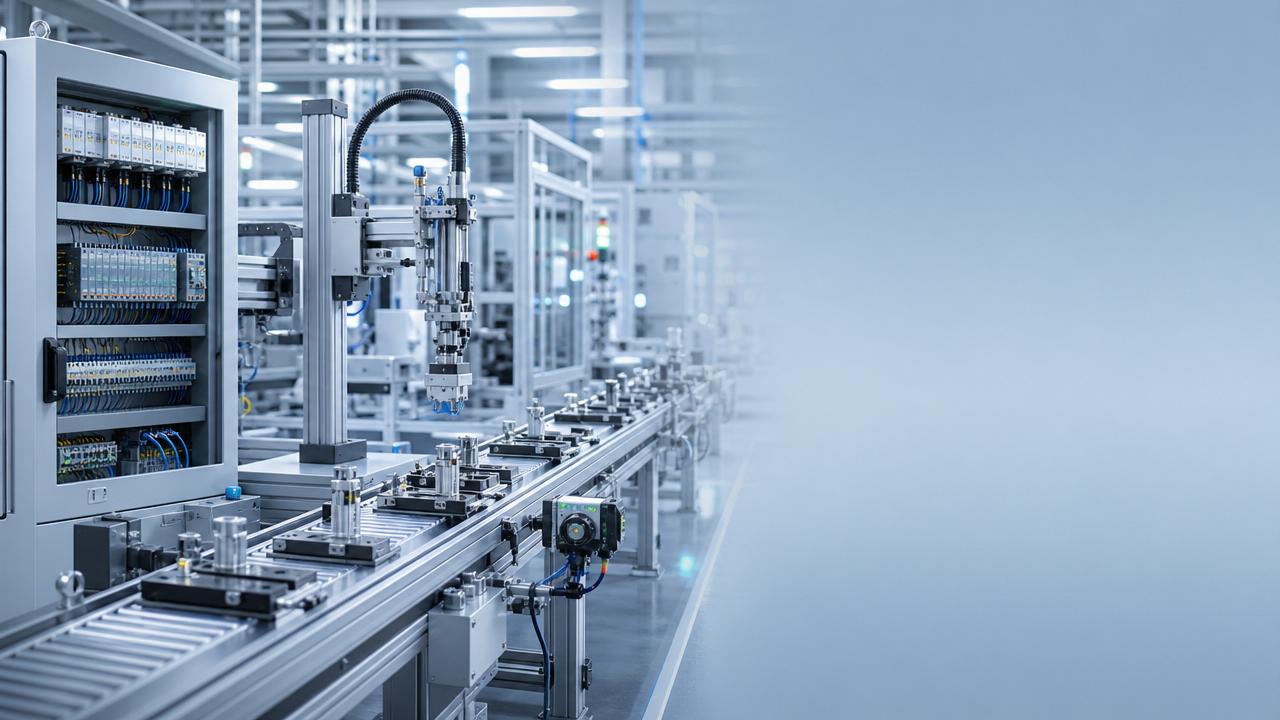
Industrial automation solutions that reduce stoppages first
Unplanned downtime drains output, increases maintenance pressure, and frustrates operators on the line.
Industrial automation solutions help reduce stoppages first by improving process visibility, stabilizing machine performance, and enabling faster response to faults.
In broad industrial environments, the best results come from practical priorities, not oversized digital transformation plans.
That is why a structured review matters before changing controls, sensors, software, or maintenance routines.
Why a structured review comes first
Many stoppages are repeat events with different symptoms.
A jam, overload, missed signal, or pressure drop often points to the same hidden weakness in process control.
Industrial automation solutions work best when teams identify where delays begin, how faults spread, and which events consume the most recovery time.
This approach improves uptime without replacing every asset.
It also supports safer operation, more stable cycle times, and better use of tooling, electrical systems, and mechanical components.
Core points to check before selecting industrial automation solutions
- Map the top five stoppage events by frequency, duration, and restart difficulty before choosing new industrial automation solutions or upgrading existing controls.
- Verify sensor placement, signal quality, and environmental resistance, especially where heat, vibration, dust, moisture, or oil mist affect machine feedback.
- Review PLC logic, alarm hierarchy, and interlock timing to confirm faults are detected early and displayed in a clear recovery sequence.
- Check pneumatic and electrical stability, including pressure consistency, voltage quality, connector integrity, and grounding performance across critical equipment zones.
- Measure changeover losses separately from true faults, because poor setup discipline often looks like downtime but needs different automation support.
- Track mean time to detect and mean time to recover, not only total downtime, when comparing industrial automation solutions.
- Confirm HMI screens show actionable status data, fault history, and guided reset steps instead of generic alarm messages.
- Inspect wear items such as fasteners, slides, cutters, relays, seals, and molds that may trigger repeated stoppages despite healthy software.
- Ensure data from drives, sensors, and controllers can be collected consistently for trend analysis and preventive action.
- Pilot automation changes on one bottleneck process first, then validate uptime gains before scaling plantwide.
Where industrial automation solutions reduce stoppages fastest
Assembly and packaging lines
These lines often suffer from sensor misreads, feeder interruptions, and inconsistent actuator timing.
Industrial automation solutions can cut micro-stoppages by improving part detection, conveyor synchronization, and jam recovery logic.
Focus first on line balancing, reject tracking, and alarm timestamps.
Short interruptions usually hide larger throughput losses over a full shift.
Machining and metalworking cells
Here, stoppages often come from tool wear, chip buildup, coolant inconsistency, or fixture confirmation failures.
Use industrial automation solutions to monitor spindle load, tool life thresholds, door interlocks, and lubrication conditions.
Pair machine data with tooling condition trends.
That prevents false restarts and protects expensive precision components.
Injection molding and die-casting operations
Mold temperature shifts, clamping irregularities, and ejection issues can stop production without warning.
Effective industrial automation solutions improve cycle consistency through pressure monitoring, cavity-related alerts, and controlled sequence verification.
Check mold maintenance data together with machine alarms.
Mechanical wear and automation faults often interact in these processes.
Material handling and intralogistics
Conveyors, lifts, sorters, and transfer units depend on coordinated sensing and stable control communication.
Industrial automation solutions reduce stoppages by validating zone logic, motor health, queue management, and emergency stop diagnostics.
Also review mechanical alignment and fastening integrity.
Simple hardware drift can trigger recurring control faults.
Commonly overlooked issues that weaken industrial automation solutions
Poor fault classification
When every event is logged as a generic stop, root causes remain invisible.
Industrial automation solutions need structured event codes to separate operator delays, machine failures, utility issues, and process instability.
Ignoring component-level degradation
A loose connector, worn fastener, sticky valve, or damaged mold surface can undermine sophisticated controls.
GHTN’s industry perspective highlights how small component failures often create major production losses.
Too many alarms, too little guidance
Alarm flooding increases confusion during recovery.
The best industrial automation solutions prioritize critical alarms and connect each event to a practical response path.
No baseline before upgrades
Without a clear before-and-after record, even useful improvements are hard to prove.
Capture downtime frequency, average stop length, scrap impact, and restart steps before making automation changes.
Disconnected maintenance and controls data
If maintenance logs sit apart from machine alarms, repeated patterns stay hidden.
Link work orders, spare usage, and fault history to strengthen industrial automation solutions over time.
A practical way to implement improvements
Start with one high-impact asset or one unstable production segment.
Choose the area where stoppages are frequent, recovery is slow, or quality loss rises after each interruption.
- Collect two to four weeks of downtime data with time stamps, fault descriptions, and restart actions.
- Identify whether the first action should target sensing, control logic, utility stability, or mechanical reliability.
- Select industrial automation solutions that solve the dominant failure mode instead of adding broad features first.
- Test alarm clarity and recovery steps on the actual line, not only in software simulation.
- Review results using uptime, response time, scrap reduction, and operator intervention frequency.
This method lowers risk and keeps investment tied to measurable production outcomes.
It also helps compare component choices, control revisions, and electrical upgrades with real operating evidence.
How to evaluate solution fit across mixed industrial environments
Not every facility needs the same automation depth.
For some operations, basic industrial automation solutions such as better sensors, cleaner HMI logic, and event logging deliver the fastest payback.
Other sites benefit from condition monitoring, networked diagnostics, or predictive maintenance tools.
The right choice depends on asset age, process complexity, available maintenance skill, and environmental stress.
A reliable decision framework should include component durability, electrical compliance, tooling wear behavior, and compatibility with future upgrades.
FAQ on industrial automation solutions
What usually causes the first avoidable stoppages?
The earliest avoidable losses often come from unstable sensing, poor alarm logic, and neglected mechanical wear points.
Are industrial automation solutions only useful for large factories?
No. Even smaller operations can gain from targeted industrial automation solutions that improve fault visibility and restart speed.
How quickly should results appear?
If the root issue is correctly identified, early gains often appear within weeks through fewer repeat stops and shorter recovery time.
Final direction
Industrial automation solutions reduce stoppages first when they target visible losses, hidden component weaknesses, and slow recovery routines together.
A disciplined review of sensors, controls, electrical stability, tooling condition, and alarm design creates faster, safer, and more consistent production.
GHTN supports this approach by connecting precision components, manufacturing logic, and industry insight across hardware, electrical, and mold-related systems.
Begin with one bottleneck, document the losses, apply the right industrial automation solutions, and scale only after verified uptime improvement.
Related News