
Why tooling technology matters more in 2026

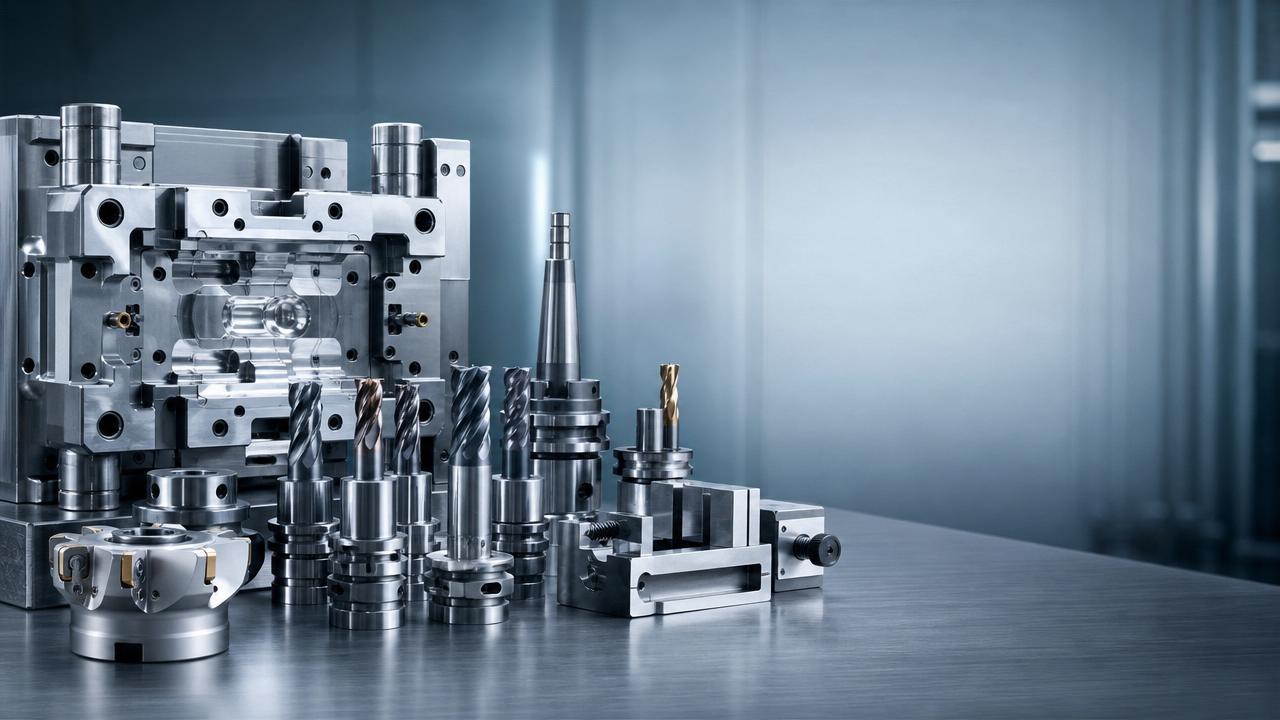
In 2026, tooling technology matters more than ever because it defines how industry converts design intent into repeatable output. It influences speed, tolerance, durability, energy use, and market response.
Across hardware, electrical systems, molds, and mechanical components, tooling technology now shapes competitive advantage earlier than many balance sheets reveal. It affects quality before assembly and cost before shipment.
This matters in a broad industrial context. A better mold insert, cutter path, fixture, or die surface can improve yield, reduce scrap, and shorten product validation cycles.
For GHTN, the rise of tooling technology is not a narrow factory topic. It is a signal about where industrial value is moving, especially in precision-led, standards-driven supply networks.
Why the industrial environment makes tooling technology central now
The 2026 environment is defined by tighter tolerances, shorter runs, greener production targets, and wider compliance pressure. These changes push tooling technology from a support function into a strategic capability.
Three visible signals stand out. Product complexity is rising. Material diversity is expanding. Delivery windows are shrinking even as defect tolerance approaches zero in many applications.
In fasteners, slight variation in thread geometry or coating interaction can undermine performance in harsh conditions. In molds, micron-level deviations affect fill behavior, cooling balance, and downstream consistency.
Electrical assemblies show the same pattern. Enclosures, connectors, and internal support parts require tooling technology that aligns mechanical precision with regulatory and thermal requirements.
This is why tooling technology matters more in 2026. It has become the bridge between design complexity and manufacturable reality, especially in multi-country industrial supply chains.
The strongest trend signals behind tooling technology in 2026
Several trend signals explain the shift. Each one increases the value of precise, data-aware, and adaptable tooling technology across the broader industrial ecosystem.
These signals are not isolated. Together, they increase the cost of poor tool decisions and reward early investment in stronger tooling technology planning.
The real drivers pushing tooling technology forward
The rise of tooling technology is driven by a mix of technical, commercial, and operational pressures. In 2026, those pressures reinforce one another rather than act separately.
- Precision expectations have increased in both commodity and advanced industrial components.
- Cross-border sourcing requires stronger process stability and repeatable tooling results.
- Digital simulation makes weak tools visible earlier, raising the standard for execution.
- Labor and energy costs make scrap reduction more financially important than before.
- Automation increases the penalty for tooling variation because errors scale quickly.
Another driver is supply chain resilience. When input conditions fluctuate, robust tooling technology helps preserve output quality and protects lead times.
This is especially important in molds, metalworking, and electrical component fabrication. In each case, the tool is often where process confidence begins.
How tooling technology is changing value creation across industry
Tooling technology affects more than machine performance. It changes how value is created, measured, and defended from prototype release to after-sales reliability.
In mold and die applications
Advanced tooling technology improves cavity consistency, thermal control, venting decisions, and mold life. That leads to better repeatability and fewer hidden quality losses.
In mechanical tools and machining
Cutting performance now depends on geometry, coating, toolpath logic, and monitoring discipline. Strong tooling technology links these elements into measurable production gains.
In electrical and hybrid assemblies
Electrical products increasingly require exact fit, controlled heat behavior, and stable enclosure tolerances. Tooling technology helps maintain this balance at production scale.
The result is broader than efficiency. Better tooling technology supports product credibility, standard compliance, and the confidence needed for international market entry.
Where the impact appears first in business operations
The impact of tooling technology often appears first in operational details. Over time, those details reshape margin, delivery reliability, and customer retention.
- Quoting becomes more accurate because cycle assumptions match actual tool capability.
- Pilot runs stabilize faster, reducing the gap between validation and full production.
- Quality control shifts from reaction toward prevention through better process predictability.
- Maintenance planning improves as tool wear patterns become more visible and manageable.
- Export readiness improves because dimensional consistency supports documentation and compliance audits.
These effects are especially relevant in sectors built on components. A single weak tool can create quality noise across a large industrial system.
What deserves close attention when evaluating tooling technology
Not every tooling upgrade creates equal value. The most useful evaluation approach looks beyond purchase price and focuses on industrial performance over time.
- Check how tooling technology performs under real material variation, not only ideal test settings.
- Review wear life, dimensional drift, setup complexity, and downstream quality impact together.
- Assess compatibility with automation, sensors, and digital traceability requirements.
- Compare total process cost, including scrap, downtime, rework, and energy consumption.
- Confirm whether the tooling technology supports future materials and tighter standards.
This is where industrial intelligence platforms become valuable. GHTN’s expert-led view helps connect atomic-level tool performance with wider market and compliance consequences.
A practical way to respond to the tooling technology shift
A useful response starts with structured observation, then moves into selective action. The goal is not blind modernization. The goal is precise capability building.
This approach turns tooling technology into a planning discipline rather than a reactive expense. It also improves decision quality when market conditions change suddenly.
Why tooling technology will remain a decisive signal beyond 2026
The importance of tooling technology will likely keep rising because industrial complexity is still increasing. More advanced products require stronger control at the component and process level.
That makes tooling technology a reliable indicator of future competitiveness. It shows which operations can scale quality, absorb material change, and meet tougher standards without losing efficiency.
For readers following hardware, electrical systems, and precision manufacturing, the message is clear. Watch the tool layer closely, because that is where many next-stage advantages begin.
GHTN exists to support that perspective. By linking precision with industrial insight, it helps uncover where tooling technology is creating the next wave of durable manufacturing value.
The next practical step is simple. Review the processes where micron-level stability, repeatability, or compliance risk matters most, and evaluate whether current tooling technology is still sufficient.
Related News