
What makes an injection molding machine supplier reliable

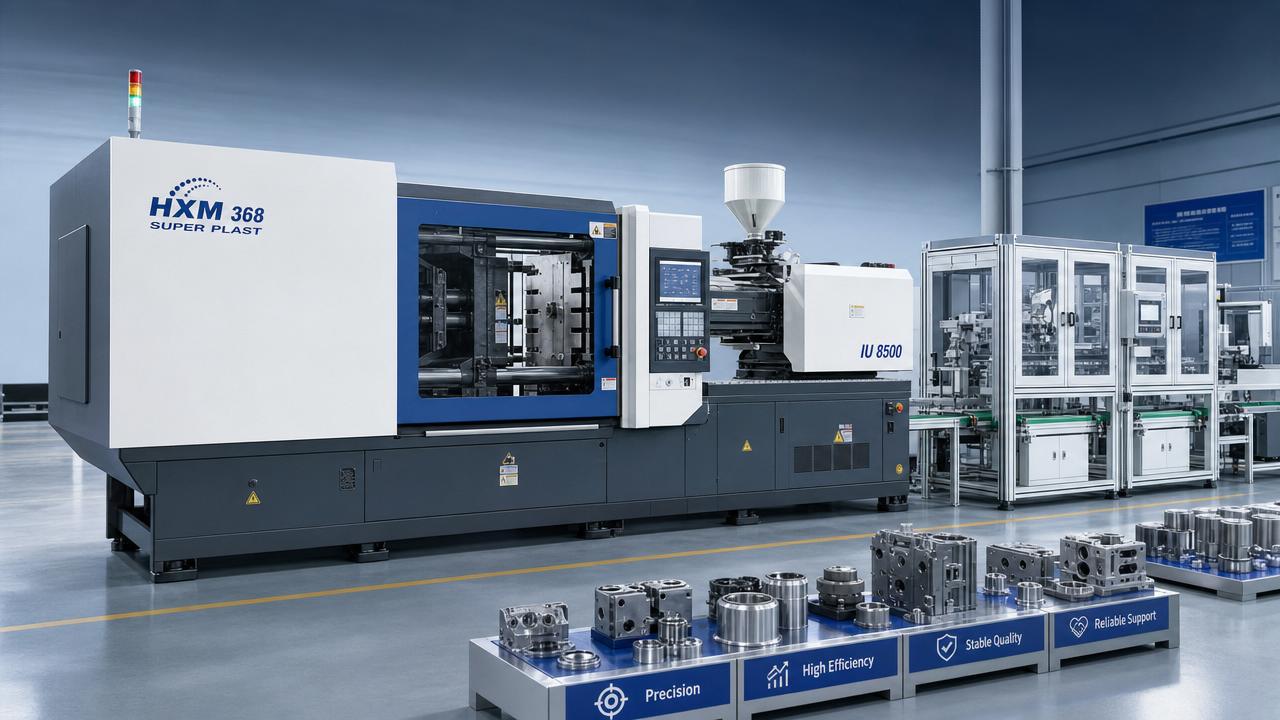
Choosing a reliable injection molding machine supplier can directly affect production efficiency, product consistency, and long-term procurement costs. For purchasing professionals, the right partner offers more than equipment—it delivers stable quality, technical support, compliance assurance, and supply chain confidence. This article explores the key factors that define supplier reliability and how to identify partners that support sustainable manufacturing performance.
What procurement teams really need from an injection molding machine supplier
When buyers search for a reliable injection molding machine supplier, they usually are not looking for a machine brochure. They want a lower-risk purchasing decision that protects output, quality, and total lifecycle cost.
In practical terms, a reliable supplier is one that can consistently deliver machines that match your production needs, meet promised specifications, support installation and operation, and remain responsive after the sale.
For procurement professionals, reliability is not just about brand reputation. It is a combination of technical capability, commercial transparency, service performance, parts availability, and the supplier’s ability to reduce uncertainty across the equipment lifecycle.
Reliability starts with the ability to match the machine to the application
A trustworthy injection molding machine supplier does not push a standard model into every project. Instead, it asks detailed questions about material type, shot size, clamping force, mold structure, product tolerances, cycle time, and automation plans.
This matters because the wrong machine selection creates hidden costs quickly. Oversized machines waste energy and capital. Undersized machines struggle with stability, increase reject rates, and may fail to support future output requirements.
Reliable suppliers usually provide a structured recommendation process. They explain why a hydraulic, hybrid, or all-electric configuration fits a given application, and they connect machine parameters to measurable production goals.
If a supplier cannot clearly explain how its machine aligns with your parts, materials, and throughput targets, that is an early warning sign. Reliability begins before the purchase order is issued.
Stable machine quality is more important than attractive headline pricing
Many buyers first compare quotations, but machine reliability should be judged by consistency in manufacturing and assembly quality. A lower upfront price can become expensive if the machine suffers frequent downtime or process instability.
Ask how the supplier controls the quality of core components such as screws, barrels, pumps, servo systems, controllers, and clamping units. Request information on component sourcing, assembly procedures, and final testing standards.
Reliable suppliers usually have documented quality systems, repeatable inspection methods, and traceability for key parts. They can describe factory acceptance testing, performance verification, and tolerance control in clear terms.
Machine durability also depends on the supplier’s engineering discipline. Well-designed structures, precise machining, stable control logic, and robust hydraulic or electrical integration all influence long-term operating performance.
Technical support is a core part of supplier reliability, not an optional extra
For procurement teams, after-sales support is often the difference between a successful investment and a costly problem. An injection molding machine supplier should be evaluated on how it supports the machine after shipment, not only before signing.
Reliable suppliers provide installation guidance, commissioning support, operator training, and troubleshooting assistance. Ideally, they also offer preventive maintenance plans, remote diagnostics, and clear service response commitments.
This is especially important when production lines run on tight schedules. A supplier that takes days to respond, lacks local service resources, or cannot diagnose recurring issues will directly affect delivery performance and customer satisfaction.
During evaluation, ask practical questions: What is the average response time? Is there local language support? Are technicians available in your region? Can software issues be handled remotely? These answers reveal true reliability.
Spare parts availability tells you whether the supplier can support long-term operations
A machine may perform well at installation but become a burden if spare parts are slow, expensive, or difficult to source. Procurement teams should look beyond machine delivery and assess the supplier’s parts support strategy carefully.
Reliable suppliers maintain reasonable stock levels for critical wear and control components. They can provide parts lists, lead times, recommended inventory planning, and clear guidance on which items should be kept on site.
This is particularly important for high-output facilities where downtime costs are significant. If a failed valve, sensor, heater, or control module stops production for a week, the savings from a lower purchase price disappear quickly.
Strong suppliers also design with maintainability in mind. Standardized components, accessible service points, and documented replacement procedures help reduce dependence on specialized interventions and shorten repair cycles.
Transparency in specifications, performance claims, and commercial terms reduces procurement risk
Reliable suppliers do not rely on vague claims like high precision or energy saving without evidence. They provide detailed technical specifications, performance ranges, utility requirements, and limitations based on actual machine design.
Buyers should expect clarity on clamping force, injection capacity, repeatability, platen size, screw options, energy consumption, cooling requirements, and compatibility with automation or auxiliary equipment.
Commercial transparency matters as much as technical clarity. A dependable injection molding machine supplier presents quotation scope, warranty coverage, commissioning terms, exclusions, delivery timelines, and payment milestones in a straightforward way.
Hidden costs often appear in freight, tooling interface adjustments, software options, training, installation consumables, and future service visits. Reliable suppliers help buyers see the total commitment from the beginning.
Compliance and documentation are essential for cross-border procurement
In global sourcing, supplier reliability includes the ability to meet regulatory, safety, and documentation requirements. This is especially relevant when machines are imported into markets with strict electrical, safety, or environmental rules.
Ask whether the supplier can provide relevant certifications, wiring documentation, manuals, maintenance instructions, and compliance declarations. Missing or incomplete documentation can delay installation and increase project risk.
Reliable suppliers understand destination market requirements and prepare equipment accordingly. They can explain how their machines align with applicable standards and what modifications are needed for local compliance.
This capability is not just about passing inspection. Good documentation improves operator safety, maintenance efficiency, spare parts identification, and internal approval processes for purchasing and engineering teams.
Production references and real operating data are stronger than marketing language
One of the best ways to judge an injection molding machine supplier is to ask for references from similar applications. Real production cases show whether the supplier can support your type of product, material, and output demands.
Look for evidence in industries with comparable technical requirements. For example, medical parts, automotive components, packaging, consumer goods, or electrical housings may each place different demands on repeatability and uptime.
Reliable suppliers can usually share customer references, case studies, machine runtime data, or examples of successful line integration. Even if some customer details are confidential, they should still provide relevant proof of capability.
Site visits, video demonstrations, and factory acceptance tests are useful because they replace assumptions with observation. Procurement teams gain a more accurate view of build quality, process stability, and supplier organization.
Total cost of ownership is the most practical framework for supplier comparison
For buyers, the most reliable supplier is often not the one with the lowest initial quotation. A more useful comparison method is total cost of ownership across the machine’s expected service life.
This includes acquisition cost, installation cost, energy consumption, maintenance frequency, spare parts cost, training needs, downtime risk, expected machine life, and resale or upgrade potential.
A supplier offering slightly higher pricing may still create better value if the machine runs more efficiently, requires fewer repairs, and receives faster technical support. Procurement decisions improve when short-term price pressure is balanced with lifecycle economics.
Ask suppliers to support this analysis with realistic operating assumptions. Their willingness to discuss long-term costs openly is itself a sign of commercial maturity and reliability.
How to screen suppliers effectively during the sourcing process
Procurement teams can improve selection quality by using a structured supplier evaluation checklist. This keeps discussions focused on evidence instead of impressions and makes internal comparisons more objective.
Key screening areas should include technical fit, manufacturing quality, component brand strategy, testing procedures, service network, spare parts support, compliance readiness, delivery reliability, commercial clarity, and customer references.
It is also wise to involve engineering, maintenance, production, and quality teams early in the review. A supplier that looks acceptable from a price perspective may create operational challenges that internal stakeholders detect quickly.
Requesting sample documents can help. Ask for machine layouts, utility requirements, preventive maintenance schedules, spare parts lists, warranty terms, and acceptance test protocols before finalizing the purchase.
Common warning signs that a supplier may not be reliable
Procurement risk often becomes visible through patterns rather than one dramatic issue. A supplier may not be reliable if answers are slow, technical responses are inconsistent, or quotation details change without explanation.
Other warning signs include unclear component origins, limited testing information, unrealistic delivery promises, weak documentation, vague warranty language, and an inability to provide relevant customer references.
Another concern is excessive focus on discounting while avoiding detailed discussion of service, parts, or long-term support. Reliable suppliers compete on value and capability, not only on immediate price reduction.
If the supplier struggles to coordinate sales, engineering, and service communication internally, buyers should be cautious. Organizational weakness at the supplier level often becomes an operational problem after installation.
What a strong supplier relationship looks like after purchase
The best injection molding machine supplier behaves like a long-term manufacturing partner. After delivery, it remains engaged in performance optimization, maintenance planning, training updates, and future expansion discussions.
This matters because production needs change over time. Materials evolve, output targets increase, and automation requirements become more complex. A reliable supplier helps adapt the equipment rather than treating the sale as complete.
Strong post-purchase relationships also support better capital planning. Buyers gain clearer insight into retrofit opportunities, controller upgrades, spare parts forecasting, and replacement timing based on actual machine condition.
In this sense, reliability is not a one-time attribute checked during sourcing. It is a continuing ability to support stable manufacturing results over the life of the asset.
Conclusion: reliability is proven through performance, support, and transparency
For purchasing professionals, a reliable injection molding machine supplier is one that lowers operational and commercial risk at every stage of the equipment lifecycle. That includes correct machine selection, stable quality, responsive service, parts support, compliance readiness, and honest communication.
The most dependable suppliers are not always the cheapest at the quotation stage, but they are often the most economical over time. Their value appears in uptime, process consistency, reduced troubleshooting, and smoother long-term planning.
When evaluating suppliers, focus on evidence rather than promises. Ask how the machine fits your application, how quality is controlled, how service is delivered, and how the supplier supports continuous operation after installation.
Ultimately, supplier reliability is measured by whether your production line runs as expected, your team gets timely support, and your investment continues to perform under real manufacturing conditions.
Related News