
CPSC Recall Flags New UL 1746 Barrier for Pneumatic Valves

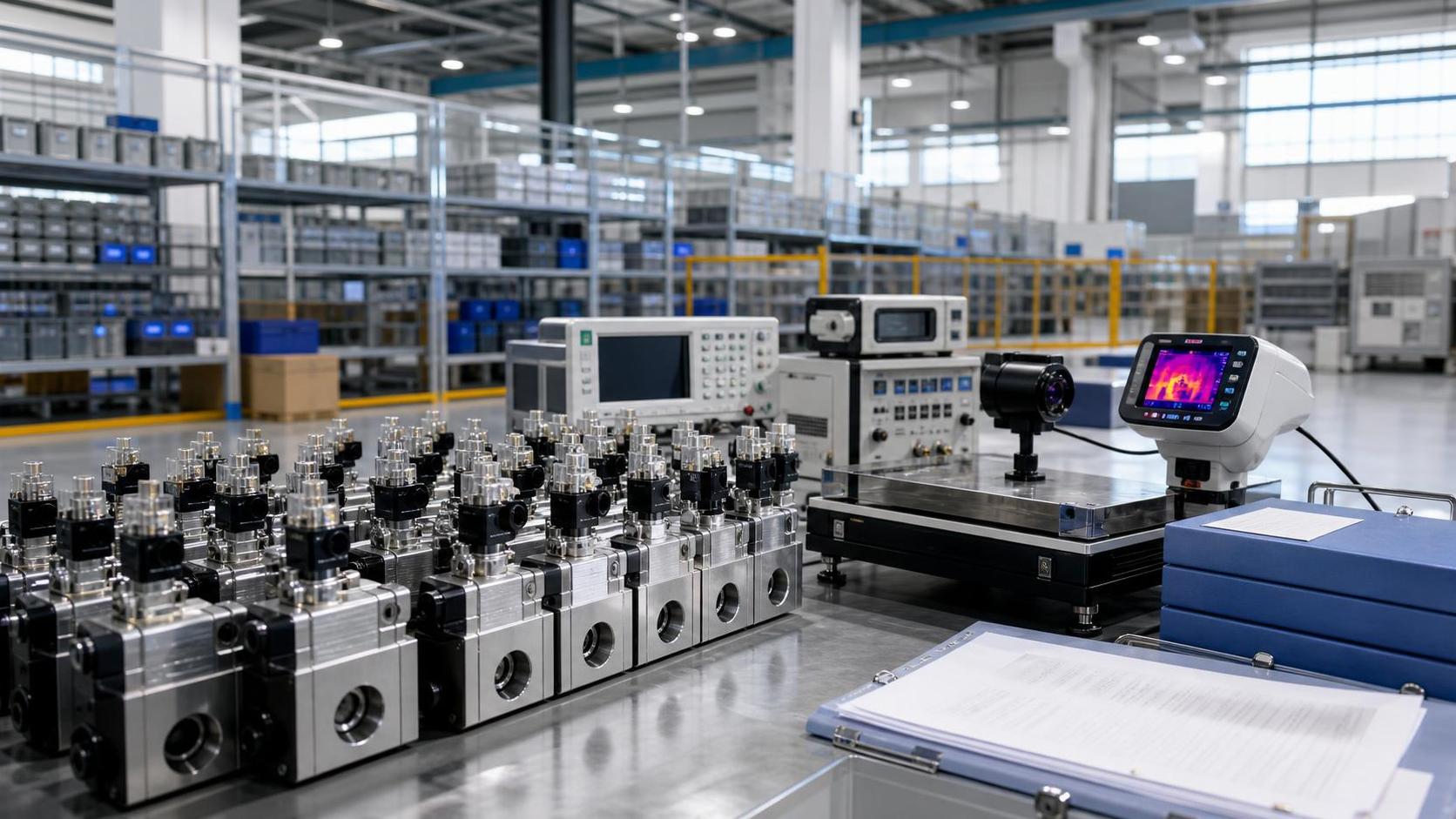
On July 24, 2026, the U.S. Consumer Product Safety Commission (CPSC) issued an emergency recall covering more than 128,000 China-made pneumatic valves used in industrial automation systems. The trigger was non-compliance with the UL 1746-2026 standard, which became mandatory in March 2026 and introduced requirements tied to electromagnetic compatibility (EMC) and abnormal temperature rise testing. For importers, exporters, procurement teams, and compliance functions connected to North American shipments, this is worth close attention because it turns a standards update into a live market-access and inventory-control issue.
What the recall confirms
The confirmed facts are limited but significant. The CPSC announced the emergency recall on July 24, 2026. The products involved were pneumatic valves originating in China and used in industrial automation systems, with the affected volume exceeding 128,000 units. The stated reason was failure to meet the EMC and abnormal temperature rise test requirements under the revised UL 1746-2026 standard. The event directly affects inventory handling by North American importers, customs-related compliance, and follow-on qualification reviews in procurement.
Where the pressure is likely to appear first
Import-side inventory and sales controls
From an industry perspective, importers are among the first parties exposed because the recall is tied directly to products already placed into commercial circulation. The immediate pressure point is the handling of stock that may now face sale restrictions, internal segregation, or documentation review. What deserves closer attention is whether product files, certification records, and technical materials clearly demonstrate alignment with the revised UL 1746 requirements before goods are offered or redistributed.
Export manufacturers and order qualification
Analysis shows that export-oriented manufacturers of pneumatic components may face tighter buyer-side qualification checks, especially where North American customers treat updated UL certification as a prerequisite for continued sourcing. The impact is less about general market sentiment and more about whether test evidence, certification status, and technical conformity can support new orders, repeat orders, or ongoing supplier approval.
Procurement and specification management
For procurement teams and project buyers, the issue extends beyond product availability. The rule change may affect approved vendor lists, specification alignment, and bid-stage document review. Observably, any purchasing process that references certification status, technical compliance, or acceptance testing now has stronger reason to verify whether the applicable standard version has changed and whether suppliers have updated accordingly.
Testing, certification, and supply-chain support functions
Testing bodies, certification-related service providers, and supply-chain compliance teams are also likely to feel the change through heavier demand for document checks and standard-version confirmation. The practical concern is not only whether a certificate exists, but whether it corresponds to the revised requirements that became mandatory in March 2026 and whether the supporting test scope addresses EMC and abnormal temperature rise.
What companies should watch in current operations
Check whether certification files reflect the revised standard
Analysis shows that companies involved in export, import, and procurement should first verify whether existing certification materials and technical records are aligned with UL 1746-2026 rather than with an earlier standard basis. This matters most where product release, customs compliance, or customer acceptance depends on version-specific evidence.
Review product documents used in trade and qualification
What deserves closer attention is the consistency of product dossiers across commercial and technical use. That includes test reports, compliance statements, specification sheets, and supplier qualification documents where certification status may be referenced. The event suggests that gaps between technical documentation and current mandatory requirements can become a direct trade and delivery risk.
Reassess delivery planning and supplier screening
Observably, companies with active North American business should examine whether current delivery schedules, replenishment plans, or pending purchase decisions rely on products whose certification position may require renewed review. This should be understood as a risk-screening step rather than proof that all related shipments or suppliers are affected in the same way.
Follow execution signals beyond the initial recall notice
Because the input does not provide further enforcement detail, it is more appropriate to understand the current stage as an immediate compliance signal rather than a complete picture of how all downstream checks will be applied. Companies should therefore watch for updated wording in procurement requirements, qualification reviews, and compliance communications linked to this standard change.
Why this matters beyond a single product recall
Observation and analysis suggest that this development is best read as evidence that a standards revision has moved from paper requirements into practical enforcement consequences. The key point is not only the recall itself, but the fact that updated UL certification criteria can shape inventory treatment, customs-related compliance, and procurement eligibility in a tangible way. At the same time, it would be premature to treat this single event as a full map of broader enforcement patterns without further official detail and market feedback.
How to read the signal at this stage
The clearest takeaway is that the revised UL 1746-2026 requirements have become an operational compliance threshold for at least part of the pneumatic valve trade linked to industrial automation applications. From an industry perspective, this is more appropriate to understand as a rule-implementation signal with immediate commercial consequences, rather than as a routine product-quality incident. It also remains a developing compliance topic, meaning the market will need to keep watching how certification expectations, procurement reviews, and execution practices evolve.
Basis of this article and items still requiring verification
This article is based on the user-provided news title, event date, and event summary. For events of this type, relevant source categories usually include official regulatory announcements, publications by supervisory authorities, customs or trade administration information, industry association notices, standard-setting organization documents, and reporting by established professional media. A specific official source link was not provided in the input, so that link still requires further verification. Follow-up attention should remain on any later clarification of enforcement wording, certification application practice, procurement document changes, industry feedback, and how affected companies implement compliance responses.
Related News